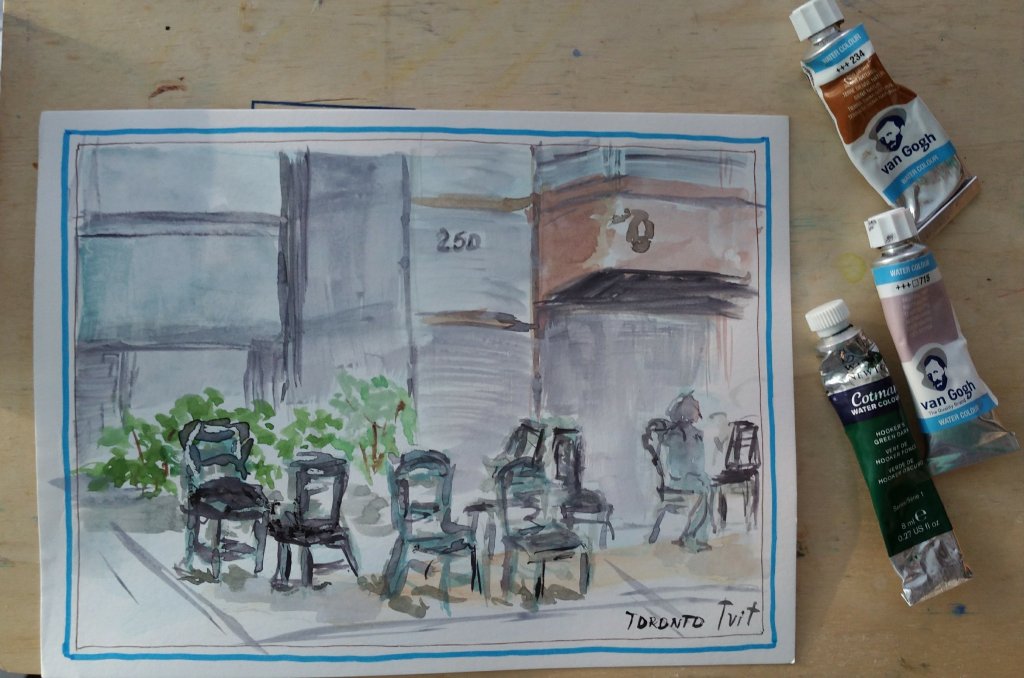
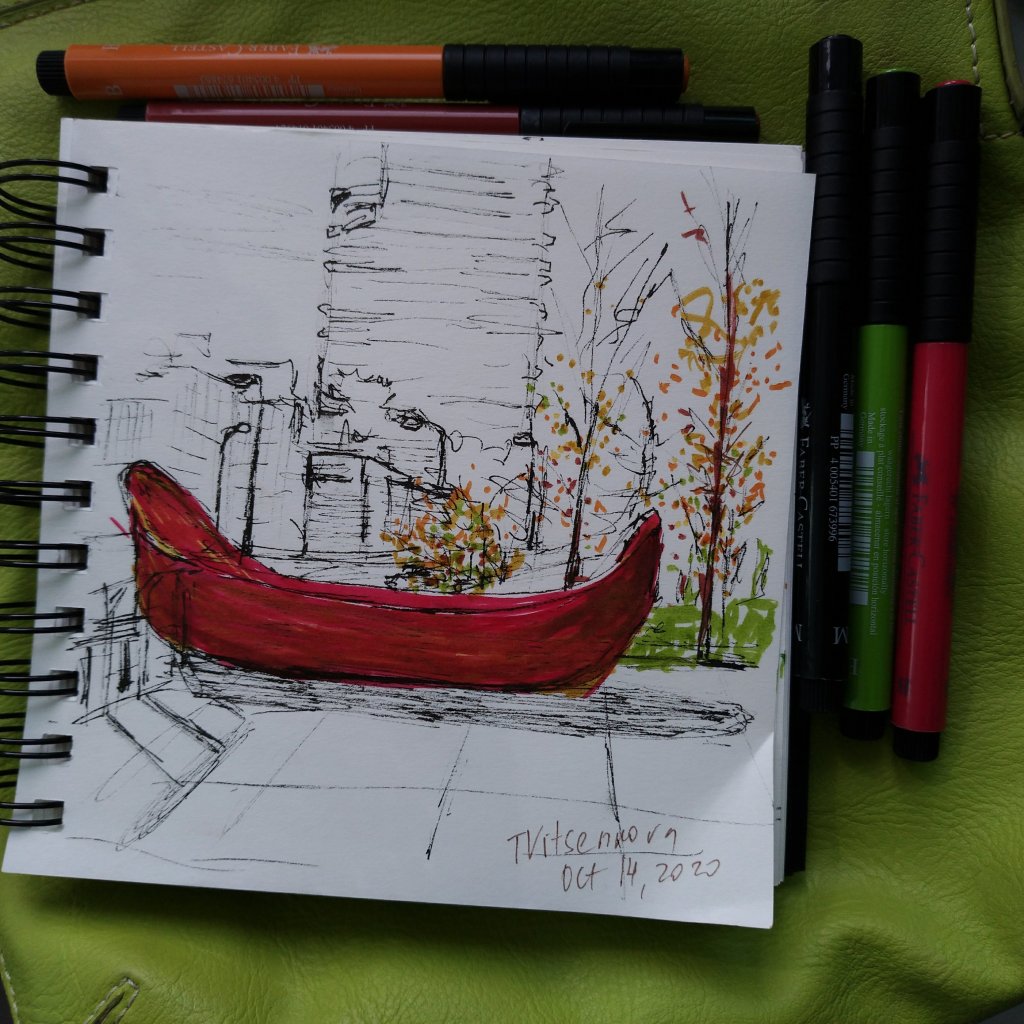
Still life and urban sketching—because thistles are basically nature’s way of saying ‘don’t get too close.’
Rome is basically an open-air museum that refuses to close. Ever. The streets are littered with buildings from every architectural era imaginable, as if someone dumped 2,000 years of interior design catalogs all in one place. It’s chaos. Beautiful, Instagram-worthy chaos.

Thistle in watercolor with ink—featuring a delightful palette of pumpkin, turmeric, pineapple, and brick-colored stems because apparently I was hungry while painting. It supposedly represents Rome’s Pantheon: monumental, elegant, and totally not something you’d want to hug. The whole thing is basically an antique temple dedicated to gods who would probably be confused by modern WiFi.
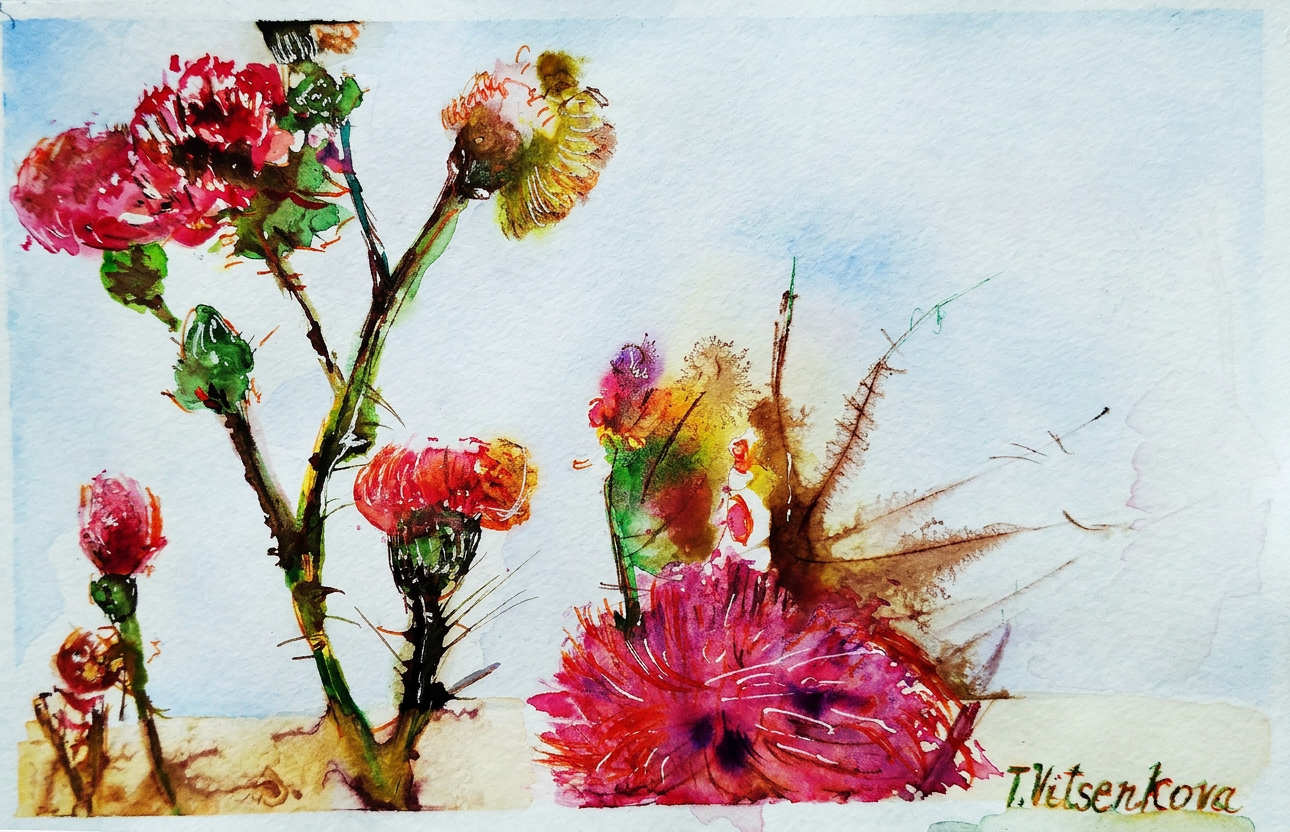
Here’s the truth about Rome: it doesn’t need color. Seriously. Just slap some sepia on it and a few ‘tender shades,’ and suddenly marble fountains and statues become artistically moody. It’s like Rome hired the world’s best Instagram filter and never turned it off.
Emperor Augustus once said: ‘I found Rome a city of bricks and left it a city of marble.’ Translation: ‘I showed up and flexed so hard that everything got an upgrade.’
Thistle number two: wildflower with avocado and cherry-colored petals because apparently I was on a mood board binge. The chaotic petals remind me of the Roman Forum’s ancient ruins—you know, ruins that used to be someone’s important government building but now just vibes there mysteriously. Every time you visit, you find something new. Mostly it’s tourists like you, but sometimes it’s actually history!
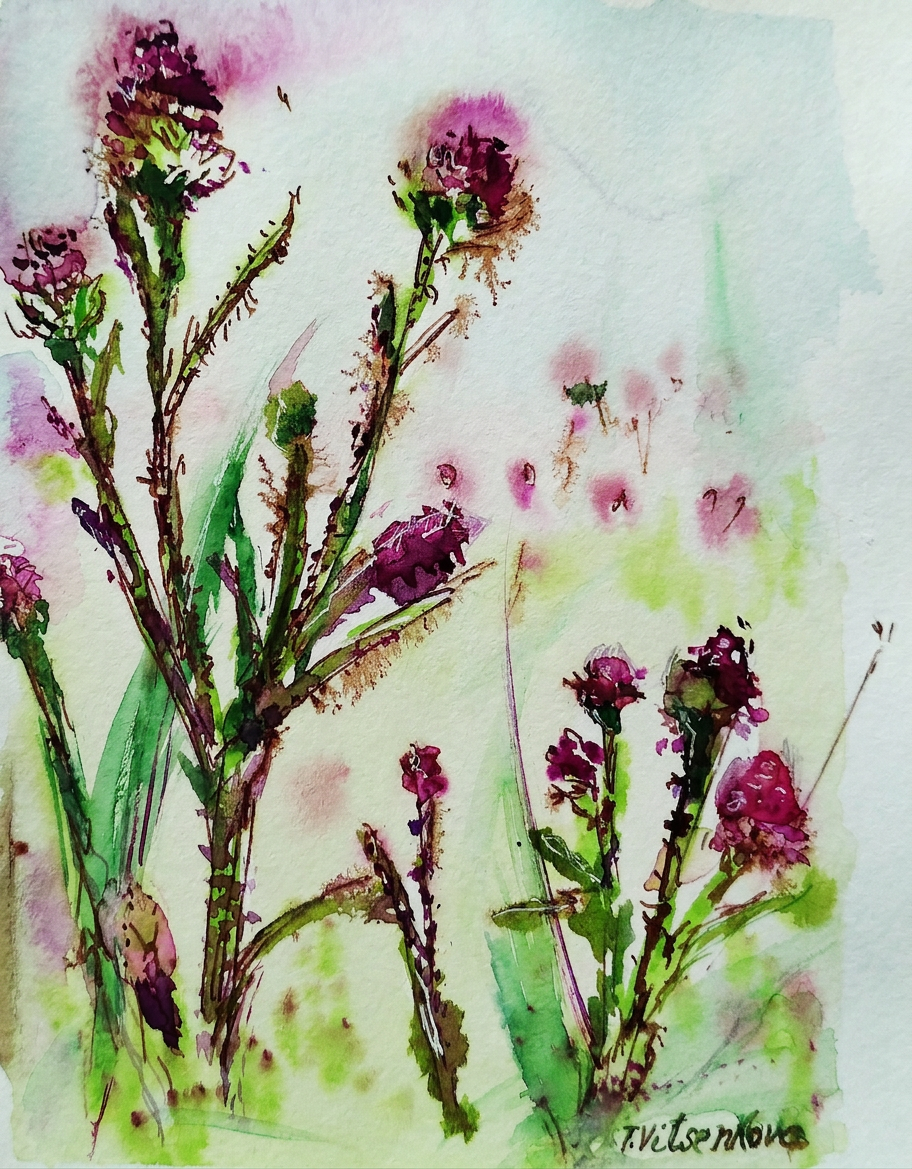
Thistle number three, now in violaceous hues (fancy word alert!). It reminds me of Borromini’s architecture in Rome—all concave curves and convex swagger with sharp angles that would make a modern architect weep. Remember Gaudí’s Barcelona houses? Same energy. But here’s the thing: Borromini’s stuff is actually calm and airy despite looking like it wants to fight you. It’s strong, persistent, and stubborn—just like a thistle that refuses to die in a sidewalk crack. Basically, I’m convinced all great architects were just looking at plants and going ‘yeah, I’ll do that but in marble.’
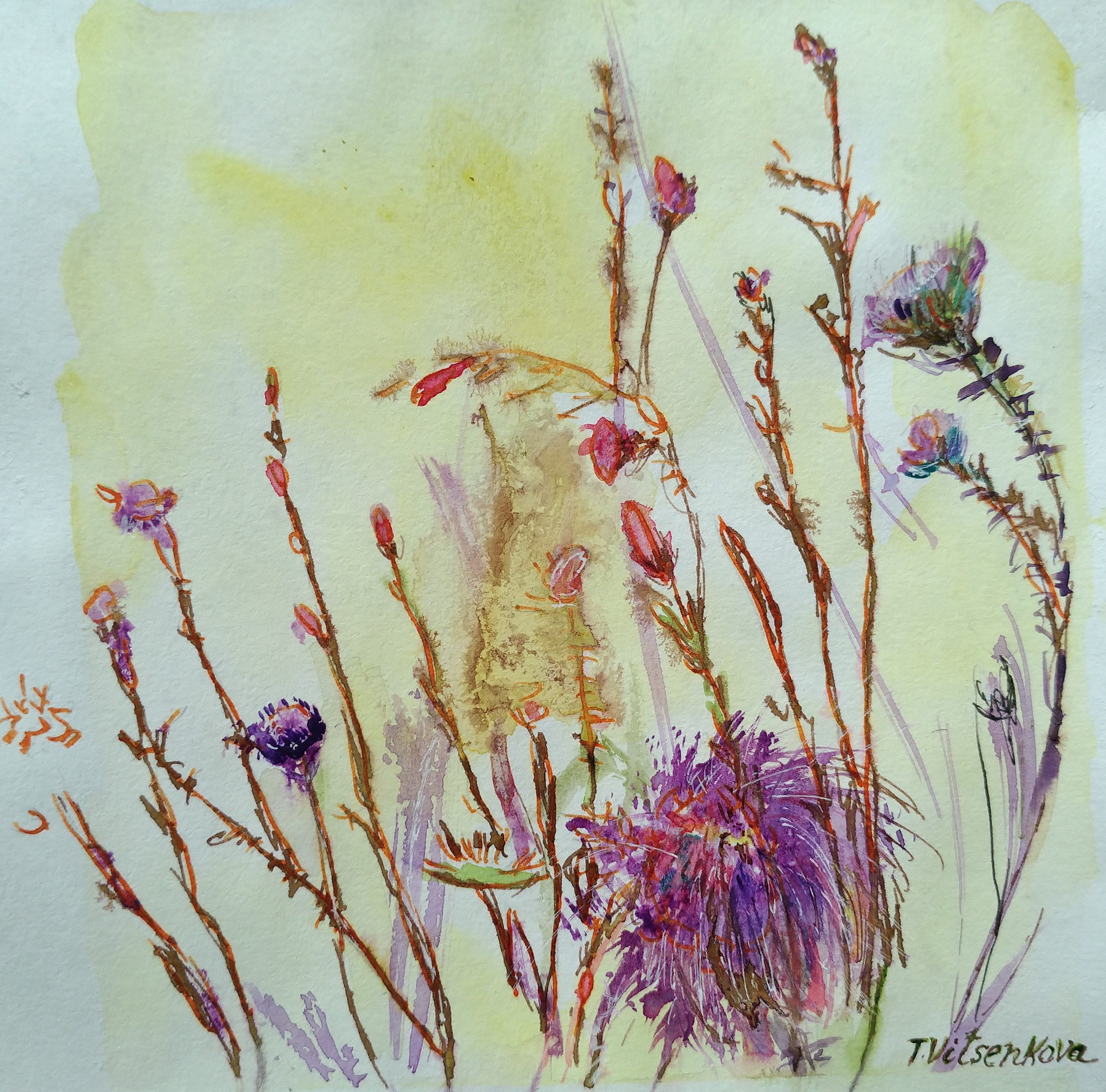
Thistle number four: cappuccino and watermelon colored petals (yes, that color combo is as weird as it sounds). Apparently it’s channeling Trevi Fountain vibes—you know, Rome’s most famous ‘throw money in the water and make wishes’ destination. It’s made from natural materials and definitely old, which means it’s had about 500 years to collect loose change and tourist dreams. Stand too close and you feel like you’re floating. Which is either the fountain’s magic or the overwhelming crowd of selfie sticks.
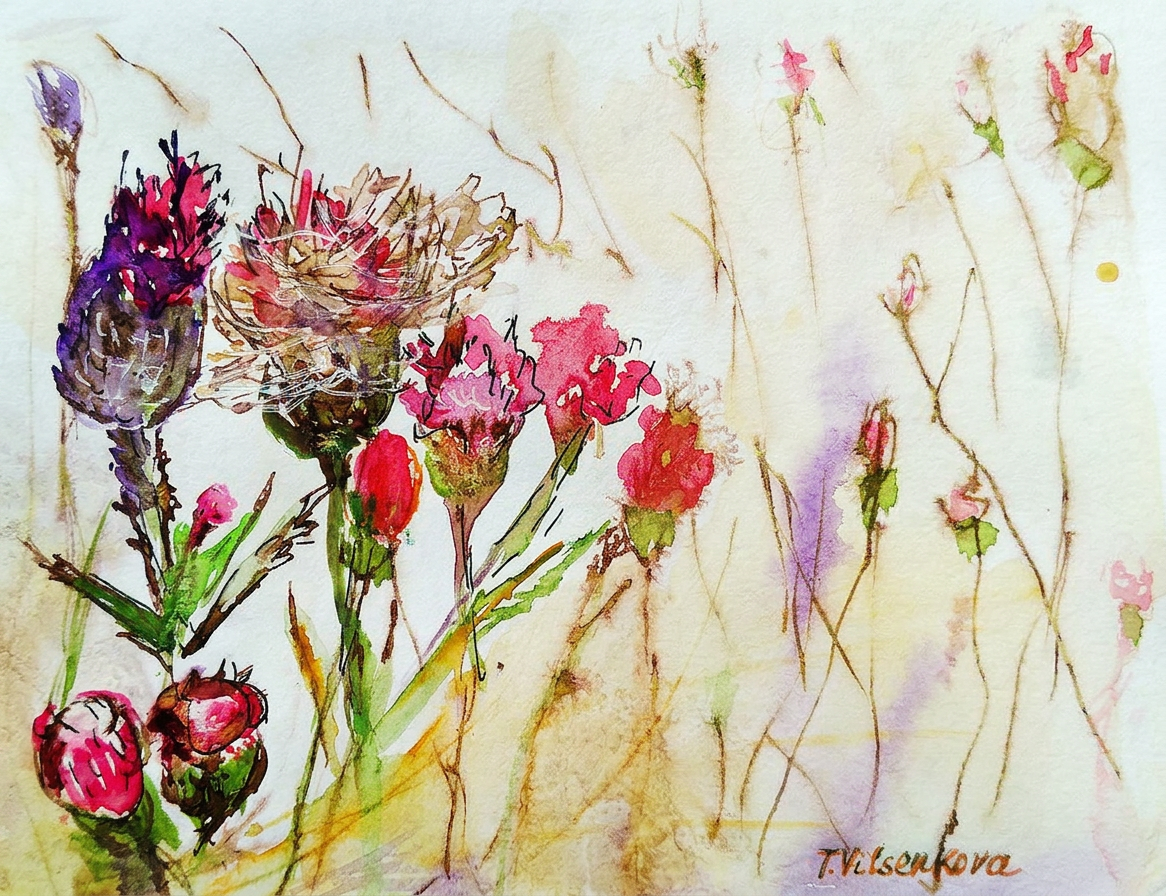
Thistle number five: fiery red, chocolate, and dark grapes (the color palette of a moody wine bar). It’s giving off major Castel Sant’Angelo energy—you know, that ancient Roman pedestrian bridge covered in Bernini’s Baroque sculptures. It’s stunning, it’s old, and like every tourist photo location in Rome, it’s probably swarming with people trying to get the perfect angle.
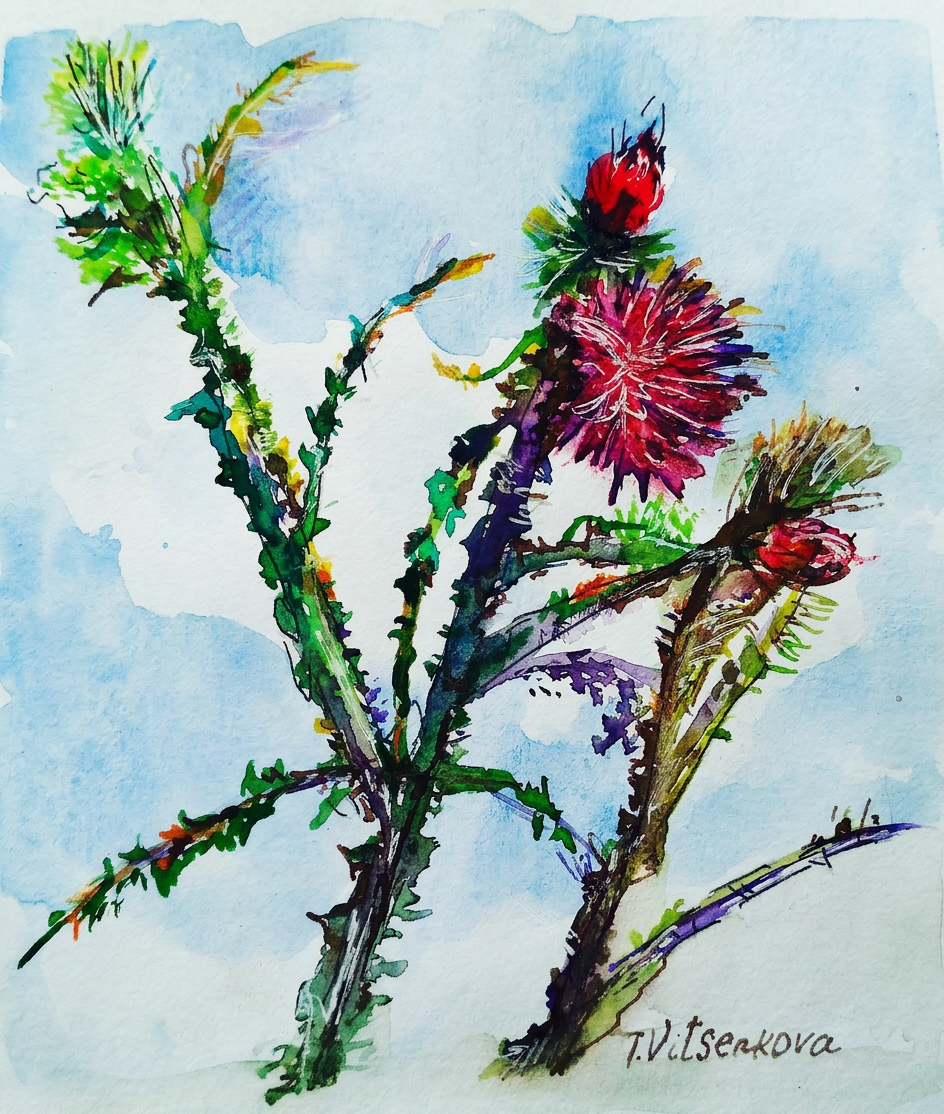
This is my final thistle post—the grand finale of my flower personality study. Here’s what I’ve learned: thistles are basically flowers with attitude problems. They represent strength, inflexibility, firmness, and they survive literally anywhere because they refuse to quit. Kind of like tourists in Rome during July. So I painted a whole series of these impossible little rebels to celebrate their survival skills and, oh yeah, they totally remind me of beautiful European architecture. Nature’s architecture is just better, fight me.

All paintings belong to the author and are definitely not meant to be copied, traced, or vaguely ‘inspired by’—because yes, we’re watching you.
Bon voyage! Until the next travel adventure (and probably the next thistle obsession)! 🌍