Still life and urban sketching — or as I like to call it, “procrastinating at tourist attractions with a sketchpad.”
Paris. The city of love, croissants, and inexplicably rude pigeons. Here’s the thing about Paris that nobody tells you: you don’t actually need to leave your hotel room to find beauty and inspiration. Just open the window and look around — you’ll find architecture that makes your apartment back home look like a cardboard box, monuments that have been standing longer than your entire family lineage, street names that sound like songs, memorial plaques commemorating people who actually did important things (unlike me, who’s mainly known for eating an entire wheel of Camembert while crying about climate change), restaurant signs in fonts that would make a graphic designer weep with envy, and murals that prove even walls have more artistic talent than most of us. Seriously, there’s something uniquely extraordinary to discover at every street corner. Paris doesn’t just hand you beauty — it ambushes you with it when you’re least expecting it, usually right after you’ve accidentally stepped in a puddle.
Paris: where even the streets are judging your outfit.
Do you ever think about cities as flowers? Or as colors? No? Just me? Cool, cool.
Thistle. A delightfully thorny wildflower featuring a magnificent display of eggplant and gold petals — nature’s way of saying, “I’m fancy and dangerous.” If the Luxembourg Gardens had a personality, this would be it. I’m convinced these flowers applied to art school and were accepted on their first try.
Thistle #1 — eggplant and gold. Fancy enough for the Luxembourg Gardens, too spiky for a hug.
Thistle, take two. This particular specimen features sunny petals in the colors of pumpkin, orange, and beetroot — basically, if fall and autumn had a very colorful, very spiky baby. Yummy, right? (I mean, I wouldn’t recommend eating it. Paris is basically the thistle of cities — beautiful, elegant, and ready to stab you if you’re not paying attention (both literally, with its spiky architecture, and figuratively, with its devastating charm).
Thistle #2 — pumpkin and beetroot. Autumn had a baby and it’s delicious (don’t eat it).
Thistle, round three (I promise this is getting somewhere). This wildflower rocks petals in canary yellow, spicy red, and burgundy — a color palette so sophisticated it makes the Pantone Institute nervous. It immediately evokes the Opera Garnier, one of the most aggressively elegant buildings in all of Paris.
Thistle #3 — canary yellow and burgundy. Opera Garnier called, it wants its colour palette back.
Thistle, the extended remix. This version features petals of amber and purple — a combination that somehow looks like what I imagine royalty smells like. And the flower buds? They range from massive to microscopic, rather like the museums scattered throughout Paris’s city center: Musée d’Orsay (the cool one everyone’s heard of), the Louvre (the one that gives you existential dread just trying to find the bathroom), Musée de l’Orangerie (deceptively small but absolutely packed with Monet’s fever dreams), Musée Marmottan Monet (for when you want MORE Monet, because apparently one museum wasn’t enough), Musée Jacquemart-André (where rich people kept their rich person collections), and Musée de Cluny (medieval vibes and the Unicorn Tapestries, which I definitely didn’t spend three hours staring at while taking blurry photos on my phone).
Thistle #4 — amber and purple. Smells like royalty, stings like a parking ticket.
Thistle number five: The Grand Finale. This specimen features a mustard-violet flower with thorns the color of, well, apple skin. Stylish as Parisian sweeping and majestic boulevards — which is to say, it looks like it went to finishing school in Switzerland and then casually conquered Europe while sipping espresso. The vibe is undeniably “I woke up like this but also spent four hours getting ready.”
Thistle #6 — apple thorns included. Looks elegant, will absolutely draw blood.
Thistle, the encore performance. Featuring peach-colored petals against a copper and amber background — basically what the Eiffel Tower looks like in the morning when you’ve woken up early because you couldn’t sleep (jet lag is romantic, apparently). This color combination is so warm and glowy that it makes you believe in magic, or at least in the possibility that Paris might actually be worth all the hype.
Thistle #7 — peach and copper. The Eiffel Tower at 6am. Romantic and deeply unreasonable.
Bon voyage! Until the next travel adventure :) Stay healthy, stay curious, and remember: life is too short to not travel, not sketch random flowers, and not pretend you understand French when someone speaks to you at a café (just nod and smile — it works 60% of the time, every time).
Bon voyage! Don’t forget your sketchpad. Or your beret. Actually, just the sketchpad.Thistle #5 — mustard and violet. The boulevard of wildflowers.
All paintings belong to the author and are protected by the ancient artist code: look but don’t touch, admire but don’t copy, and definitely don’t use without permission or face the wrath of someone who takes their wildflowers very seriously.
Do you like flowers and their smell? Then your next vacation should be in France, my favorite country. Flowers are part of life everywhere, in cities, you probably won’t find houses that are not decorated with rose bushes and clematis that make a hedge.
Strasbourg said ‘hold my wine’ and posed for a painting.
And between the cities, endless blooming fields stretch, which not only delight the eye, but also generate income, since flowers are used in the production of essential oils.
Impressionist painting of orchid, the delicate and exotic at the same time.
An orchid walks into a gallery. Everyone stares. It’s used to it.
An integral part of the French cultural heritage, these gardens are open to the public throughout the country. All year round, they are ready to share their secrets, especially during moments of exceptional events.
Watercolour painting of unopened bud an orchid
Flowers being modest. Rare, honestly.
If you like castles in France, you will find lots of gardens and parks. One of my favorite is Château de Vaux-le-Vicomte, a small private palace of the 17th century, located not far from Paris. Popular for its sophisticated architecture and large surrounding park.
Cherry blossoms: beautiful for 10 days, smug about it forever.
The gardens and parks were in perfect harmony with the architectural complexes from which they were laid out. Spacious alleys were lined with flower beds.
Castle: Château de Vaux-le-Vicomte
…and of course irises. Did you know that the depiction of a lily on heraldry in pre-revolutionary France is actually a stylised image of a yellow iris?
The iris — France’s national flower and certified drama queen.
For France, irises are not only beautiful flowers that are a symbol, they are also an industry. France is famous throughout the world for its perfumes and eau de parfum, and it is in them that iris essential oil is actively used to create aromatic compositions.
Bon voyage! Until the next travel.
All paintings belong to the author. No image is to be copied without permission.
Tools used for my painting. Watercolor brands Van Gogh and Cotman. Paper Canson Mix Media album 28×35 cm (11×14 in.) and Canson Watercolour album 25×35 cm (11 x 15 in.)
Le Cannet: Home of the Bonnard Museum and Artfully Avoiding Cannes’ Crowds!
And then on another direction, the second trip was separate. It was a one-day independent journey from Antibes to Cannes and Le Cannet.
Provence is famous for its art museums in every small town or village. Le Cannet is a small suburb of Cannes. In North America this suburb would be part of a big city, for example Greater Toronto or Greater Vancouver.
The Central Train Station in Cannes is located in the heart of the city. To get there, take the bus # Bus Palm Express n°1. Within 10 minutes, you will reach Le Cannet famous museum Bonnard. Location: 16 boulevard Sadi Carnot, 06110 Le Cannet
House-museum artist Bonnard. Bonnard lived in Le Cannet for 25 years and created his Provencal paintings, saturated with sunlight, light and air. We were waiting for an exhibition that just opened during our vacation in Antibes. The temporary exhibition of collection Nahmad (De L’Impressionisme À Bonnard et Picasso) showcased the Impressionist artists. It organically blended into the permanent collection of Bonnard museum.
Cannes’ famous Red Carpet
We made a delightful pit stop in the glamorous city of Cannes on our journey back to Antibes. The famous film festival is very common!
We were all set to strut our stuff on Cannes’ famous Red Carpet. We perfected our best “I just won an Oscar” walk. It was finished with invisible awards and imaginary paparazzi trailing our every move!
Hand prints of a celebrity set into the pavement, commemorating their visit to the Cannes Film Festival.
In my picture, the celebrities’ prints shoot up to the sky. They resemble a really ambitious road vying for a spot in a cloud competition!
A watercolor sketch capturing the scenic views of Cannes, featuring a charming train and vibrant beach landscape.
Transportation: Our Hilarious Misadventures and Tips for Traveling in Provence
Embarking on my inaugural journey through the enchanting region of Provence was a delightful escapade fraught with unexpected adventures. The warmth and hospitality of the local residents, as well as fellow travelers, provided comfort during moments of disorientation in this picturesque landscape. My encounters with the complexities of train travel, compounded by my limited proficiency in the French language, led to a series of amusing misadventures, including missed connections and unforeseen challenges.
Yet, amidst the chaos, I discovered clever local transportation tips that may serve to conserve both time and money for future travelers. Intriguingly, these transportation mishaps ultimately enriched my experience, transforming potential frustrations into cherished memories that added a unique charm to my journey. :)
The topography of the area is a mountainous terrain. If you do not want to rent a car in a foreign country, there are a few alternatives to driving.
The first choice is the train. They are convenient, quick, comfortable, inexpensive, and all trains have an efficient schedules with small gaps in between 2 trains. For example, from Nice to Grasse the train’s cost was 10 Euros (2019). But, this choice has a disadvantage that you rarely can get to see small towns by trains.
The second choice is the bus. The advantage of buses is their routes reach even the smallest mountain towns. This is the cheapest choice. The inconvenience is that sometimes you have to take a transfer between inter regional buses and local city’s buses. Most importantly, the bus trip will be longer than any train.
The third option is like a hybrid of the first two—or you can just go with a travel company. Do you want to hop between a bunch of quirky little mountain towns in just 1-2 days? Let the pros handle it. Those local or international tour operators are like your cool travel buddies. They are always ready for an adventure. (And they know where to find the best snacks). And hey, there’s something for you at the end of this post. You’ll find a link to Viator. It’s your ticket to hilarity wrapped in sightseeing!
I absolutely adore my one-day trips to the French Riviera—it’s like speed-dating with beautiful landscapes! I dash around, sketching everything from tiny crannies to towering giants. I try to look like a sophisticated artist, not just some tourist with a fancy penciland watercolor palette and brush:)
Join me on this thrilling adventure. Every moment holds the potential to uplift your spirit. It can bring joy to your life!
Tools used for my painting Watercolour used Charvin and Van Gogh brands, Derwent Watercolour pencils and Faber Castell artist pens. Paper Strathmore Watercolour and Mixed Media albums, 15×20 cm (6×8 in.)
Bon voyage! Until the next travel:)
You are welcome to visit my personal website pages. There, you can find out more about the artwork I am offering in oil and watercolor paintings. You can buy canvas prints, framed prints, and more artwork.
How to get from Antibes to Le Mougins. Take Train to Cannes, then bus to Mougins. Lines 25-27. Cannes – Ranguin <> Gare Routière des Messugues <> Collège Eganaude – Sophia Antipolis, par Mougins
How to get from Antibes to Le Cannet . Take train Antibes to Cannes, bus #1 and 4(?), 15 min =10 stops to Musee Bonnard, Bus Palm’Express n°1, arrêt « Mairie du Cannet
This was amazing little town with an unusual legend.
Just imaging, you are jauntily wandering through the medieval streets. Also trying not to trip over the cobblestones that probably date back to when dinosaurs roamed the Earth. Meanwhile, admiring the stone facades that looked like they had more stories than my grandma. Actually, this is my story that happens with everyone while traveling in a medieval town, right?:)
And then OMG, the flowers! They were so fragrant that I half expected them to start singing show tunes! It was truly an unexpected adventure in one of the prettiest settlements in France. The buildings are old, but the charm is timeless! :)
As promised, about the local legend. It says that the English Queen Victoria was riding on a donkey with her staff to the town. After this uneasy journey, she tired and ordered a road to be built to this tallest town. Thank you! the English Queen Victoria wanted everyone to see the beauties of this place. And it was completed, so now you can enjoy them too. The main square of the town is named after the Queen, with no doubt. Everybody loves this legend.
A charming watercolor sketch of Tourrettes-sur-Loup, showcasing the town’s vibrant ice cream and flower motifs characteristic of Provence.
Another Legend about Ice cream while you are exploring the town.
Ice cream transcends the realm of mere treats; it embodies the town’s most cherished secret. Yes, I found it while eating the violet rich ice cream.
As she dances around you, the air fills with the delightful aroma of freshly churned ice cream. It draws forth smiles and laughter from everyone nearby. A simple shout turns into a memorable experience that sugary dreams are made of! Even years later, I still remember this taste and scent.
As you walk around town, you will notice violets everywhere. They are painted on the asphalt and in the ice cream. Violet ice cream was a pleasant discovery for me. It’s worth coming to this mountainous town just for its sake!
The Wobbly Wonders of Cascades du Saut du Loup: Where Waterfalls Take a Dive!
The next stop was the stunning Mountain waterfalls known as Cascades du Saut du Loup. The name comes from the French language. It translates to the mouth of the wolf. I found it’s quite scary name.
This evokes an air of mystery and intrigue surrounding this natural wonder. As we approached the cascades, the sound of rushing water grew louder, filling the air with a sense of anticipation.
The scene was surrounded by lush greenery and rocky cliffs. It was breathtaking, with glistening water tumbling down the steep slopes. This created a mesmerizing spectacle. This hidden gem is more than just a beautiful sight. It holds an important place in local folklore. Tales of wolves and their enchanting habitat add to the allure of this captivating location. I think that every waterfalls has its own legends, do you agree with it?
I don’t know what mouth of a wolf it is. Now this is my secret. I personally saw a huge muzzle of an orangutan in the rocks. Everyone in our group was laughing from my imagination:)
Gourdon vs. Gordes:
As we continued our travel, the next stop was Gordon. It is the highest town of our trip. Its magnificent castle is perched 750 meters above sea level on rocks.
Watercolor sketch of Gourdon Castle in Provence, showcasing the lush landscapes of the region.
A little comment about the tour. Part of our goal for this trip was to see Provencal lavender fields. Our tour operator was also our driver and a cheerful guide.
Meanwhile, he piped up from the passenger seat, “Well, there’s a little hitch in our giddy-up!” Apparently, it would take another hour to reach the lavender fields from this town. Perfect! This was just enough time for him to regale her with his latest theory. He believed a goat named Jean-Claude should have been our co-pilot.
“Just think about it,” he said with a grin. “He’d be the best navigator. Frankly, I’d trust a goat over a GPS any day!” As they continued their winding journey, the fragrant scent of lavender teased their senses. It promised that the true adventure was only just beginning.
Gourdon and Gordes are two different cities. Ops, my bad, I did not see on this day any lavenders’ fields. So, please take my advice, enjoy your day , even you were expecting other views.
Both cities are nestled in the picturesque hills of Provence. Yet, they are distinct places rich in their own unique charm and character.
The tour company made a comical error. They mixed them up. This led to a day filled with unexpected adventures and humorous anecdotes. As the day unfolded, we constantly wondered how the mix-up could have happened. This curiosity gave us an amusing reason to return. We wanted to explore the beautiful regions more thoroughly.
It became our running joke throughout this long day. The joke lightened the mood and brought us closer together. This happened as we navigated the winding roads. We were diligently searching for the iconic lavender bushes. We were also looking for even small patches of planted lavender. Provence is so famous for this.
Every time we stumbled upon anything resembling those fragrant fields, we kept saying, “Well, here’s lavender!” We burst into laughter. What could have been an inconvenience turned into a delightful memory. It’s a memory that we’ll cherish for years to come.
The Lavender Showdown – Who Will Win the Name Game?
The locals told us that in earlier years the lavender fields really bloomed vibrantly around the town. This created a stunning visual spectacle. It attracted visitors from far and wide.
The intoxicating fragrance of the lavender filled the air, making it a beloved destination for tourists and locals alike. One unfortunate year, a particularly harsh cold winter struck. The lavender bushes not survive the frigid temperatures that followed. The once-thriving fields, which had been a source of pride and beauty for the community, fell silent and barren.
After that, despite the people’s longing for the return of the lavender, they were not planted again. This decision left a void in the landscape deeply felt by everyone. It’s truly a pity to witness such a loss of natural beauty and charm.
A watercolor sketch depicting the scenic beauty of Gourdon, France, showcasing its charming architecture and lavender foliage.
The mountain road is serpentine. It leads to mountain towns Gourdon and Tourrettes-sur-Loup. We passed through the medieval town. In the sky, we saw a cloud “goose”.
I will continue to post about one-day trips in Nice. Next up is Cannes and Le Cannet. I visited the famous museum of artist Bonnard. After all, who doesn’t want to admire the works of someone who painted like they were on a permanent vacation? More art, less sanity!
Tools used for my painting Watercolour used Charvin and Van Gogh brands, Derwent Watercolour pencils and Faber Castell artist pens. Paper Strathmore Watercolour and Mixed Media albums, 15×20 cm (6×8 in.)
A Sketching Journey Through Provence’s Artistic Towns. Urban sketching. Travel, Architecture and Art
Everything is in one bottle of flavor that brings together the image of a city or place.
Mougins: Where Art Galleries Outnumber Residents!
The next town we visited was Mougins, is a city of art galleries and artist’ workshops. On a small plaza, I saw a mysterious lady in a beautiful hat near the city’s legendary museum.
This is a serene sketch capturing a mysterious lady in a beautiful hat. It is set against the charming backdrop of Mougins. This town is known for its vibrant art scene.
The Art of Not Getting Bored at Mougins Museum!
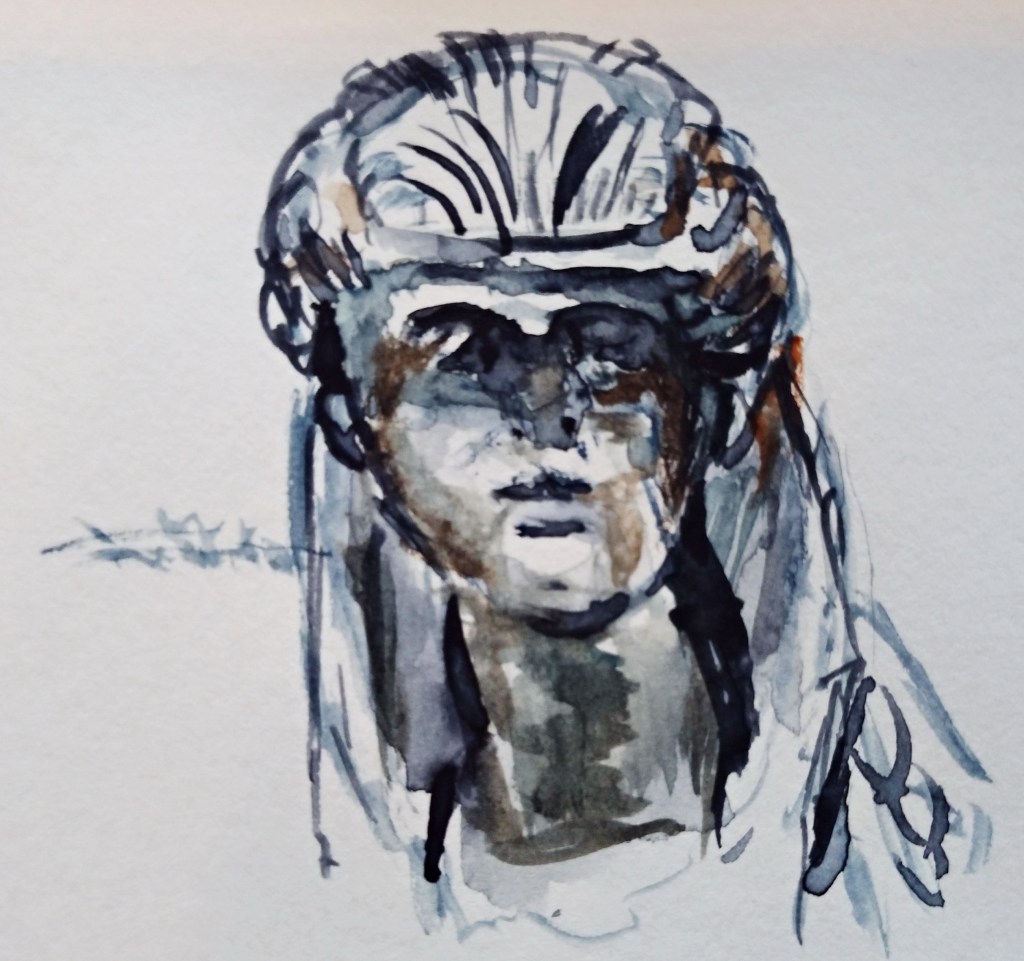
The city has a famous Mougins Museum of Classical Art. It is a private museum. The entrance costs 14 Euros (2019). It’s worth it. Address: 32 Rue Commandeur, Mougins. The Mougins museum has the world’s largest private collection of antic helmets. I never would have thought that there was such a variety of helmets.
A watercolor sketch of ancient helmets displayed at the Mougins Museum of Classical Art.
In the museum, the lighting was dark so my sketches show the overall impressions of the gloom. I like to watch museums’ visitors; it shows the general impression of direction of exhibits in museum. We visited the museum on Monday when there were no visitors so the whole museum was ours. I was surprised to see such a rich collection outside the Louvre or British Museums.
One of my artistic goals is to paint the combination of houses, people, cafe, streets, landscapes, food, Provencal ice creams.
Watercolor sketch depicting the charm of Mougins, Côte d’Azur, showcasing a cafe scene and the essence of local artistry.
On the way to the city, our tour operator mentioned an interesting annual festival. It is called the ‘International Gastronomy Festival of Mougins’ or ‘Les Étoiles de Mougins’.
The festival used to be an event that brought lots of tourists and media attention to the town of Mougins.
Effective this year, the decision was made to hold the festival in other cities around the world. Mougins’ Michelin chefs will be sent to the festival to show the culinary art of the city’s chefs. So, understandably, the residents of the city are disappointed and would like to return the tourists to their city. To get here, you can take a train/bus from Antibes or Nice. At the end of this post, I will give instructions on how to get to this town.
Watercolor sketch depicting the charming scenery of Moulin d’Opio, showcasing olive trees and lanterns, reminiscent of Van Gogh’s art.
Moulin d’Opio mill, with its olive grove
Our next visit was a small place at Moulin d’Opio mill, with its olive grove and a small store. When you visit this place, you will instantly remember Van Gogh’s painting. The owners are the fifth generation of this family. They were telling us how olive oil has been produced for many centuries. We tested different varieties of olives, French oil, tapenade on toast, and drinks.
Watercolor sketch depicting a charming scene from Moulin d’Opio, highlighting the olive trees and quaint architecture of the area.
I would never have thought that I would try olive oil on its own. It was an interesting experiment.
A watercolor illustration depicting olive oil, olives, and a traditional Provencal setting, reflecting the culinary heritage of the region.A watercolor sketch depicting olive oil tasting and the scenic landscape of Le Moulin d’Opio in Côte d’Azur.
Tools used for my painting Watercolour used Charvin and Van Gogh brands, Derwent Watercolour pencils and Faber Castell artist pens. Paper Strathmore Watercolour and Mixed Media albums, 15×20 cm (6×8 in.)
Bon voyage! Until the next travel:)
You are welcome to visit my personal website pages. There, you can find out more about the artwork I am offering in oil and watercolor paintings. You can buy canvas prints, framed prints, and more artwork.
How to get from Antibes to Le Mougins. Take Train to Cannes, then bus to Mougins. Lines 25-27. Cannes – Ranguin <> Gare Routière des Messugues <> Collège Eganaude – Sophia Antipolis, par Mougins
How to get from Antibes to Le Cannet . Take train Antibes to Cannes, bus #1 and 4(?), 15 min =10 stops to Musee Bonnard, Bus Palm’Express n°1, arrêt « Mairie du Cannet
How to bring more joy to your vacation in the south of France
In this post I would like to talk about some one-day trips from Antibes or Nice. For me, sitting in one place and swimming in the sea is fine for a couple of days. I enjoy sunny beaches and cuisine, but then I need more. Provencal cities are very close to each other. They are rich in history, art, and architecture. It would be a “crime” not to visit some of the local small towns in the neighborhood.
Vibrant Provencal ceramic tableware showcasing the rich colors of handmade plates from the South of France.
Exploring Art and Cuisine in Provence’s Charming Towns. Nice, France, one-day trips in Provence.
Provencal ceramic tableware with sun-drenched harmony of Provence in single handmade plates with vibrant colors found in the South of France and Italy
Illustration of the beautiful towns and landmarks around Provence, highlighting key locations like Grasse, Gourdon, and Tourrettes-sur-Loup.
Our Provencal Itinerary. This trip began in Nice and continued through Grasse, Mougins, and Moulins d’Opio. We also explored Waterfalle sur Loup, Tourrettes du Loup, and Gourdon.
We always travel by train or bus… but this time we decided to save our time and traveled with a tour operator.
The recently renovated Gare de Nice Ville, a welcoming gateway to the beautiful city of Nice.
Vibrant Provencal Experiences: From Grasse to Nice. Blue train brings people to Mediterranean Sea every day
Old Train station in Nice was recently renovated. It seems to be inviting visitors to join one of the most beautiful cities. Nice is conveniently located near the sea.
Our tour started from Nice. You can be picked up from your hotel by the tour operator. In our case we lived in Antibes. As a choice, a driver pick you up from your city, with an extra cost. We decided to take a train from Antibes to Nice. The journey took just 10 -15 minutes. It cost 4 Euros. It was another reason to visit Nice.
Illustration of a train station in Nice, capturing the blend of modern transportation and picturesque surroundings.
Grasse, the capital of perfumery
The 1st stop was in Grasse, the capital of perfumery. According to the legend of the 17th century, the city had many leather shops. The skin was soaked with flower essences to remove an unpleasant odour. Louis XIII and his beautiful wife, Anna of Austria, shared valuable secrets.
She was a Spanish-born queen. Thanks to them, some Spanish and Arab techniques for perfumed skins were revealed. So perfumes came to us from the city of Grasse. You want to visit Parfumerie Fragonard.
Watercolor painting depicting the vibrant atmosphere of a Provencal town, capturing colorful rooftops and the scenic beauty of the region.
The whole city is covered in flowers; a local perfume factory acquaints visitors with its spirits. During our last visit to Grasse several years ago, we walked several times through the local central square. We admired the views of the mountains from a huge cliff near the town hall.
It was blooming with floral aromas, the local fountain freshened the air with water. And only then I realized that the fountain was spraying perfumed water.
Perfume factory in Grasse
Sketch of our excursions perfume factory and olive store at Le Moulin D’Opio, Opio. Legendary Fragonard was the mayor of the city. The city has the Fragonard Museum is located at: 14 rue Jean Ossola, Hotel de Villeneuve, Grasse
This watercolor sketch depicts the perfume factory and olive store at Le Moulin d’Opio in Grasse, France. It showcases vibrant colors and local products.
Some interesting facts about Fragonard: he was the artist and pioneer of the Rococo style. There is a famous painting “The Swing” by Jean-Honoré Fragonard. Fragonard was a distant relative of my beloved impressionist artist Bertha Morisot. We visited museum D’Orsay in Paris this year, Morisot’s personal exhibition in the museum. Stay tuned for more information on it in my future posts.
More intriguing tales and delightful doodles are on their way—consider this your friendly heads-up before the next artistic adventure hits!
Tools used for my painting Watercolour used Charvin and Van Gogh brands, Derwent Watercolour pencils and Faber Castell artist pens. Paper Strathmore Watercolour and Mixed Media albums, 15×20 cm (6×8 in.)
Bon voyage! Until the next travel:)
You are welcome to visit my personal website pages. There, you can find out more about the artwork I am offering in oil and watercolor paintings. You can buy canvas prints, framed prints, and more artwork.
How to get from Antibes to Le Mougins. Take Train to Cannes, then bus to Mougins. Lines 25-27. Cannes – Ranguin <> Gare Routière des Messugues <> Collège Eganaude – Sophia Antipolis, par Mougins
How to get from Antibes to Le Cannet . Take train Antibes to Cannes, bus #1 and 4(?), 15 min =10 stops to Musee Bonnard, Bus Palm’Express n°1, arrêt « Mairie du Cannet
Urban sketching. Antibes, France. Itinerary for seeing one of the gem in Provence.
Going to Antibes in France… Why Antibes?
A watercolor painting capturing the scenic beauty of Antibes, with its vibrant coastal landscape and distant hills.
I will tell about the beauty of Provence based on our experience of 10 years. We have had a long relationship that we hope will continue for many years… We fell in love with the Mediterranean coast of France and its towns right away. We always come back here again and again.
Artist’s watercolor depiction of a journey from Toronto to Antibes, highlighting the joy of travel and cultural experiences.
What is the beauty and goodness of Provence? Discovering Antibes: A Traveler’s Guide to Provence
Toronto- Paris- Antibes itinerary, 2019. Our voyage’s feeling always started from an airport door.
People are free from problems and minor life concerns. They exist between countries and continents. The air is full of a vibrant mixture of cultures, customs, and nationalities.
My favorite scene with Kevin Kline and Meg Ryan in the movie “French Kiss” is the take off scene. Everything is behind you…
Freedom of speaking with temporary neighbors is everywhere on a road. At any airport, especially during international flights, is driving my happiness as the traveling artist.
This flight was with Air France. I enjoy their safety movie featuring five young beauties. It reminds me of the French movie Eight Women with Catherine Deneve, Fanny Ardant, and Emmanuelle Bėart. Classic chic madams and mademoiselles and their flared dresses and colored shoes, beautiful and stylish, back in time.
A vibrant watercolor painting depicting women in traditional attire, evoking the charm of cultural celebrations.
The safety video shows in funny way usually regular boring but must-be learning process. Why not be entertaining and have safety training explanation at once? :)
You had a blast watching the video “Consignes de sécurité Air France – Bienvenue à bord.” It was flirtatiously fun. It felt like a romantic ad at 30,000 feet.
A vibrant watercolor painting showcasing the beauty of Provence, highlighting the colors and essence of the Mediterranean landscape.
How to get there?
In Provence, south of France, there are many intercity buses. These include both speedy and local buses between Nice airport and Cote d’Azur towns.
A watercolor illustration of the bus route from Nice to Antibes, highlighting the picturesque landscapes of the Côte d’Azur.
We took bus #250 that goes every 30 min from Nice airport to Antibes. It then continues to Cannes. I highly recommend taking the express bus.
It will save your time and energy especially on the first day of your vacation after flight.(information about the bus on the bottom of post)
I started to do my sketches right away :) My Watercolour painting is done with Provençal magic Watercolour box Charvin. In the Nice’s store I hesitated to buy ALL of them.
Finally, 12 clear sea and old Provençal roofs’ building color paints were chosen, and the owner unexpectedly gave me one extra for luck:)
Thank you, I will come back soon.
CHARVIN PAINTS
Artistic watercolors from Charvin Paris, perfect for capturing the vibrant colors of Provence.
French Riviera Beach painting on Salis beach (Plage de la Salis)
Watercolor painting of Salis Beach in Antibes, showcasing the serene Mediterranean coastline and vibrant skies.A serene moment on the beach in Antibes, showcasing visitors enjoying the sun and sea.Watercolor painting depicting the serene beach scene of Antibes, capturing the essence of the Mediterranean coast.
I will tell you about this wonderful place with some notes as a traveler. My artist’s paintings and drawings of the Antibes will also be included. It is one of the Mediterranean French coast’s cities. Antibes is known for its legends, friendly people, museums, and yummy food. It offers sunny beaches and a warm sea. Most importantly for me, it includes artists’ paths.
A vibrant watercolor painting depicting a sunset view over Antibes, showcasing the town’s coastal beauty.
Napoleon’s family Legend in Antibes
Let’s start with one of the Antibes’ legends is about Napoleon’s family. Locals are saying that Napoleon’s mother and his sisters lived in Antibes. It is not confirmed in fact. Nonetheless, the locals added some explanation on a house’s sign. Below is the photo from this place.
A sign on a historic building in Antibes claims Napoleon once stayed here. It is surrounded by a charming stone wall and colorful flowers.
Antibes beaches with its mild colors, tender rose, blue and violet painting. I was painting this view of local houses and beach with hill surroundings. The long path leads to next town Juan les Pins, our favorite two long sandy beaches, Ponteil and Salis.I was painting sea’s stones on Antibes’ beach. This type of sketches is relaxing time spending…
I was painting sea’s stones on Antibes’ beach. This type of sketches is relaxing time spending…
This is a watercolor painting. It showcases the colorful stones and pebbles found on the beaches of Antibes. It captures the vibrant essence of this beautiful Mediterranean town.A serene watercolor painting capturing the sunset over the coastal landscape of Antibes, framed by trees.
Antibes is town with lots of energy and has “all in one”.
The old city of Antibes is full of charm
The old city of Antibes is full of charm. Under the south sun, all houses look like gold buildings. Flowers cover their walls.
A vibrant watercolor painting capturing the warm tones of Provence, showcasing charming architecture and colorful flora.
Antibes has the Archaeological museum, see below the map of the Ville d’Antipolis, how Romans used to call it.
Map of the ancient city of Antibolis, highlighting significant archaeological sites and surrounding areas.
Watercolor painting of chocolate-covered olives, a charming treat inspired by the flavors of Antibes.
Archaeological museum in Antibes
One day, I visited this small archaeological museum. Even without translation into English, I learned about the ancient history of this place. It was the former settlement of the Greeks, then the Romans, the Etruscan and then Galls. There are lots of underwater amphorae and wrecks off Antibes. These once held fine wine and were raised from the bottom of the sea.
It was the former settlement of the Greeks, then the Romans, the Etruscan and then Galls.
There are lots of underwater amphorae and wrecks off Antibes. They once contained fine wine. These were raised from the bottom of the sea.
Etruscan vase sketch, reflecting the ancient culture and art of Antibes.
Another legend is the Etruscan learned to make wine residents of Provence’s French Galas. Interesting, isn’t it?:)
I drew one of their works of pottery’s art Etruscan vase.
10 years ago, I felt a deep connection to the Etruscan culture. It had gone into oblivion. I read some books about Etruscan culture by Jean-Paul Thuillier, Nemirovsky, and Jean-Noel Robert.
It opened my eyes to many things and historical events. After this, we visited the special Etruscan museum and Villa Medici in Rome. Our local Toronto’s museum, ROM, also has an Etruscan section with some good exponents.
An artistic interpretation showcasing Etruscan faces, highlighting the individuality of ancient personalities.
Etruscan faces on painting what remained of the exhibits expressed the display of the personality, individuality of a person’s traits. After the influence of Greek culture it started to be prettier but faceless personal features.
Connection between Antibes and Impressionism
Another fascinating story of Antibes is about the connection between the city and Impressionism. This was a new art movement in the 19th century.
It started from Monet, my favorite artist and the creator of impressionism style.
I read the book Monet and the Mediterranean several years ago. Joachim Pissarro wrote it. This book actually opened for me the city of Antibes.
Monet stayed in Antibes for 5 months in 1988. He painted many paintings from this place. His works include “Antibes seen from La Salis”, “Morning at Antibes”, and “Gardener’s House at Antibes”.
Others include “Antibes seen from Plateau Notre-Dame.” There is also “The Gulf of Antibes.” Another one is “View of the Bay and Maritime Alps at Antibes.” Monet wrote to his wife Alice “What I will bring back from here will be pure, gentle sweetness.”
Winding paths offer a view of the ancient city. The silver-violet color of the mountains is visible in the distance. These elements are inviting for a romantic walk.
Old pines are handed close over the path, setting beyond the horizon highlights the sea and the city in distance.
There are some artists discovered this amazing city and landscape around it. Long path near Antibes is very popular among impressionists and post impressionists like Monet, Sisley, Cross, Signac. Their artworks made this town famous.
Everywhere on a long path you see lots of reproductions of artists. They are standing exactly on the places where they created by different artists. This place inspired many artists and me. It can invite you to visit for traveling and producing some artworks.
Gourmet Immigration or Mistress of the Copper Mountain
We once traveled to France for our family summer vacation. During this trip, my husband invented a new expression, “Gourmet Immigration.” It is a brilliant discovery. I hope we will implement it in the future.
Chocolate olives in chocolate, chic, isn’t it? Full impression that it is OLIVES. No, no, no, no, no, no! It is dark and milk chocolates in the form of black and green olives
A watercolor painting of chocolate olives, highlighting the unique and delicious treats found in Antibes.
Two ladies, maybe sisters or friends offer any French chocolate treats. They seem like the mistress of Antibes’ chocolate makers with mouth-watering chocolate. Alternatively, they resemble the legendary Mistress of the Copper Mountain who loves chocolate. Instead of minerals, their product is made from chocolate.
Note. Mistress of the Copper Mountain, also known as the Malachite Maid, is a legendary creature from Slavic myths. She is a fairy tale character and the mountain spirit from the legends of the Ural miners. As the Mistress of the Ural Mountains, she is depicted as a beautiful green-eyed young woman in a malachite gown.
Watercolor painting of French chocolate olives, showcasing creative culinary delights found in Antibes.
Picasso Museum
I’m not really a fan of Picasso but his story of living in the Antibes is joyful. Picasso lived here after the Second World War when everybody’s feelings were happy because of the end of world war. Picasso drew local women Antibes, and one of his famous painting is Les Demoiselles d’Avignon (The Young Ladies of Avignon). Then suddenly he decided to learn something new, but again in his style. It was start of the new era of Picasso’s pottery.
My favorite expressions of Picasso from this period are many. One expression is, “I have spent my whole life knowing how to draw like a child.” He famously said, “J’ai mis toute ma vie à savoir dessiner comme un enfant.” Another expression is “I do not seek, I find.” In French, it’s “Je ne cherche pas, je trouve.”
A watercolor painting depicting the sculptures along the Antibes coastline, highlighting the beauty of the Mediterranean Sea and artistic inspiration.
Picasso decided to learn how to make sculptures from scratch when the local pottery master visited Picasso’s exhibition. It turned out to be 7 years of relationship. During this time, the famous artist learned from very basic vases in his 70th at the local workshop. This led to the creation of great and individually recognizable artworks.
Picasso learned it for many years, and yes, it was free of charge training. Nonetheless, the workshop can copy Picasso’s pottery artworks. These were originally made in this place. They can copy them for a certain number of times and sell these artworks. They are saying that the agreement is still in force. Picasso began with simple vases, and then went on to do art in direction. Some sculptures you see in the Antibes museum.
I’ve drawn and later finished with watercolors some of his vases. This is the advantage to being an artist. You not be allowed to take photos, but pencil sketches are fine under the museum’s rules. Voilà!
Antibes’ locals love cats; there are some signs on the doors in the Old Town. I drew them on the location.
Artistic depiction of a house sign in Antibes with a charming cat theme, reflecting the local love for cats.
The market in the Antibes is particularly remarkable. Baguettes and croissants, handmade early in the morning, are sold at the market quickly. You can buy real Antibes wine. You will also find Pâté de Foie Gras (goose liver) with colorful ripe vegetables and fruits at the Marche provencal. Address: 27 cours Massena, Antibes
Famous Gelateria is just next to the Market.
Watercolor illustration of Gelateria Del Porto in Antibes, showcasing delicious ice cream offerings.
Our favorite bakery was near our Royal Antibes hotel. It is a great place that you will enjoy. It is in very close distance to Salis and the private Royal beach with a restaurant on it.
A charming watercolor painting of the Royal Antibes Hotel and nearby bakery, reflecting the beauty of the French Riviera.
The bakery is just next to the beach, named La-brasserie-de-lillette. I want to highlight some rules inside the small store that sells croissants and other bakeries. Customers must not wear swimsuits, even though it’s just a minute away from the beach. Please respect the “Queen” – French baguette.
Sunset in French Riviera, Antibes
You get up at 7 in the morning and you go to meet the dawn. Nowhere in the world there is no such beauty.
A vibrant pastel painting capturing the serene beauty of a boat on water, reflecting the colorful sky in Antibes.
We visited more than 30 locations in Provence in last 10 years, and I am enjoying to paint on location, and Antibes is the city you will enjoy travel and paint with Joie de Vivre (a feeling of enjoyment of life)
A watercolor painting capturing the serene beauty of Antibes, a charming town on the French Riviera.
Daily trips from Antibes. Transportation
For daily trips I recommend to buy the “Ticket Azur” that allow you to take two transport networks in succession, to finish a journey, including one change between one of the lines on the Departmental Council’s TAM network and a line on one of the following networks: Envibus (Antibes and surrounding area), Communauté de la Riviera Française (Menton and surrounding area), Sillages (Grasse and surrounding area), Bus Varmer (Carros and surrounding area), Ligne d’Azur (Nice and surrounding area), Bus Azur (Cannes and surrounding area)
Bon voyage! Until the next travel:)
You are welcome to visit my personal website pages. There, you can find out more about the artwork I am offering in oil and watercolor paintings. You can buy canvas prints, framed prints, and more artwork.
All paintings belong to the author. No image is to be copied without permission.
Tools used for my painting include Charvin and Van Gogh watercolours. I also used Pastel GrayPas Expressionist. Derwent watercolour pencils and Faber Castell artist pens were used as well. Paper Strathmore Watercolour and Mixed Media albums, 15×20 cm (6×8 in.)
Urban sketching and Still life. Travel and Art. A Colorful Journey Through Paris: Art and Nature Blended
Flowers
Paris is always the city in flowers. This city breathes in the scents of billions of flowers. Every day it explodes with a firework of floral colors. Winter, or summer, the season does not matter for flowers in Paris. The Luxembourg Gardens is the most “French” of all city parks.
A vibrant watercolor painting of blooming flowers in a rustic setting, showcasing the beauty of nature intertwined with artistry.
Only here can you see the true purpose of the green towns in Paris. You can watch how Parisians spend their free time… If you would like to become one of them, you try their …Vivre la vie:)
City parks
Go to one of the city parks. You sit comfortably on a chair near the fountain. Breathe in the aroma of roses and enjoy the freshness of greenery. Hide from the city center, which is so distant yet immeasurably close from one side.
This watercolor depicts the picturesque Luxembourg Gardens in Paris. It showcases serene landscapes. Visitors enjoy the park’s beauty.
Bright flower borders with soft ribbons frame the green lawns, and flowerbeds amaze with volumes and colors. Petunias, daisies, rudbeckia, sage, cereals, dahlias, chrys…it is the long list of flowers. Their consistent and continuous flowering pleases grateful spectators throughout the entire spring, summer and autumn seasons.
Luxembourg gardens
Luxembourg gardens in Paris is my favorite one, flower beds are especially good at any season. It’s impossible to stop looking at them! I am enjoying to visit again and again:) you see my post about Luxembourg gardens.
A cozy watercolor painting featuring a vase of flowers on a wooden table, alongside a red polka-dotted chair.
Bon voyage! Until the next travel:) Stay healthy.
You can visit my personal website pages here. Find out more about the artwork I am offering in oil and watercolor paintings. Buy canvas prints, framed prints, and more artwork.
Tools used for my painting. Watercolour brands Van Gogh and Cotman. Paper Canson Mix Media album 28×35 cm (11×14 in.) and Canson Watercolour album 25×35 cm (11 x15 in.)
All paintings belong to the author. No image is to be copied without permission.
You can visit my personal website pages here and find out more about the artwork I am offering in oil and watercolor paintings; purchase canvas prints, framed prints, and more artwork.
All paintings belong to the author. No image is to be copied without permission.
I did some kind of surrealistic and impressionist ink drawing for prompt CONNECTion in between past, current and future worlds. The painting shows an imaginary door with floral plume of daisy petals that leads into another world, a parallel reality of times past. A curious mind will always find a path, a door, a way to explore others worlds.
How was it to live in previous centuries? And what will our future look like? And where is that DOOR that lets us peek into the other realities? These are among many questions one could ask in a question of finding interesting answers.
“The most beautiful things we can experience is the mysterious” Albert Einstein.
A link to my original painting is below.
And I am ready for tomorrow’s Inktober prompt – Spark.
Do you like warm summer evenings when the moon starts to light up? It gives fresh, romantic and cozy look. A lunar path appears on the water surface, lighting up the landscape with its warm brilliance.
The link to my original oil painting Lunar track on the southern night is below
My next Inktober ink drawing is about a Helmet, part of Armoury museum in Mougins, France. It has the huge collection of ancient helmets. Soldiers lived, fought, and died in this equipment, and much of it bears the scars of battle from ancient military campaigns in past.
Next Inktober prompt is Roof. For this prompt I have some ideas, thank you to my husband’s photos of many places we visited:) I will add a link to his site.
Firstly, it is the Roof of beautiful Milan’s Cathedral with its graceful spiers and pointed turrets that are directed into the sky, and slightly pinkish marble walls are decorated with many sculptural images. Secondly, an ink drawing of extraordinary roofs in Provence, south of France. The warm and cozy brown, orange and yellowish shades of roofs with background of the blue water of the Mediterranean Sea are one of my coming art project:) Another option, the “roof” of yellow and red colours leaves’ trees in any Ontario places in Canada. The trees’ brushes are like ceillings for roads when you drive or walk. This nature “roof” looks the same in Canada and in my motherland Belarus or any place in Earth. And next idea brings me to the “decision” for this prompt that includes both Roof and Autumn, 2 in 1!:)
For the prompt Roof I am doing an ink drawing of lovely roofs of the pastoral town Rottenburg ob der Tauber in Germany we stayed once in the fall. Here, you can enjoy viewing of the little houses’ roofs with background of golden trees’ leaves that nature itself painted land in the Northen Bavaria. Rothenburg ob der Tauber is the place …its like you are in an alternative universe or you have gone back in time:)
This is the site with images belong to and can be purchased from Vlad Vitsenkou
And I am ready for tomorrow’s Inktober prompt – Pick
I am doing an ink drawing of one of fascinating sculptute in Paris. It is completed after the book “The man who passed through walls”/”Le passer muraille” by Marcel Aymé. It tells of the adventures of a “little” person in a ministry who realized that he can walk through walls:). He became a powerful man, what happened next? One day, the man was stuck in the wall… The sculpture’s figure coming out from a high wall, looks very intriguing… I recommend to read this book and visit the Place Marcel-Aymé in Monmartre’s Paris when you travel to Paris next time:)
My interpretation of this world for my Inktober 2022 is “choose something from a number of alternatives, typically after careful thought.” Well, I am chosing an ink drawing of … French charcuterie:)
French cuisine is not a collection of dishes, but a ceremonial, a feast is a moment of communication,it is a part of French culture. When people have lunch or dinner together, they share it with each other. The food we eat matters not only for the body, but also for the mind. I pick ballotines, pâtés, and confit, wine, a cheese,ham a baguette, as the maginicifient French charcuterie.
And I am ready for tomorrow’s Inktober prompt – Sour.
For prompt Watch I was doing ink drawing of the interior clock of the D’Orsay museum in Paris. The clock is in between the museum building and sky, it looks out over the river Seine and garden Jardin des Tuileries. Looking through the clock, you can enjoy the magificient capital of France.
At first the Musée d’Orsay was a train station, the Gare d’Orsay built for the Universal Exposition of 1900. The clock is actually a reminder from the train station that overlooked the platforms of the rail station a century ago.
I love the D’Orsay clock because they’re so large, they also function as a window. How many important and romantic meetings have taken place under this clock, who knows?:)
For prompt Raven I was doing ink drawing of a raven sitting on a street lamp next to the Louvre museum in Paris.
It was an old and wise raven who was looking down on all the tourists queuing up at the museum. Perhaps this bird remembers events that happened in France 300 years ago, who knows?:)
And I am ready for tomorrow’s Inktober prompt – Spirit.
Suit is very important part of appearance of any person, it is showing the epoch when a person lived, their gender, society status, etc.
Well, my favorite 19 century and the city of Paris as a place will be my story’s drawing.
I need a time machine to go there and to do my drawing from their real life’s elegent suits, frock coats and cylinders for men and wearing long flowing dresses with high collars and puffed sleeves, skirts with layer upon layer of lace for women.
…It was an iconic era for France and fashion . Yes, France is famous for is fashion forever:)
For this drawing I chose using ink and Fabel Castell markers to add some vintage atmosphere.
And I am ready for tomorrow’s Inktober prompt – Vessel.
For Inktober I bought two new albums and tested both, Rhodia and Clairefontaine Goldline. Both have great quality of paper,hmm not easy desicision..:)
I chose Rhodia ink album, Noodler’s ink and Lamy pen for my Inktober 31 days maraphon 2021. Let’s start FUN!:)
The October 1st prompt is Crystal. I choose our daughter’s souvenir from Denver, USA as my reference to draw a crystal. A little iron horse is standing on a postament made from ametist.
Crystal of ametist has interesting option to refract light and its dark view has magical power to this stone, looks like very fregile and light but it is strong and beautiful. Did you know that crystals were used by some medieval poets as a way to question desire and the wonder of love?:)
My discovery that ink drawing is easy to do with Lines and Spots and enjoy the process:) And one more thought, next time during my travelling I will buy more souverirs, they are the best memory:)
I am adding my stamp with logo of Travel and Art that I did by myself and date for my records.
And I am ready for tomorrow’s Inktober prompt – Suit.
This is the 1st time I decided to participate in the famous global challenge Inktober 31 days maraphon. Let’s start FUN!:) Here is the official site with prompts and rules https://inktober.com/
My drawings Inktober will be based on some little stories about travel, happened in past and planning future ones. It will be about my favourite places in France, Italy, Spain, motherland Belarus and my current home country Canada, maybe I will discover new places with my virtual travel and art.
Who knows it will be an easy or hard journey for future 31 days or after couple days my regular full time job tasks will stop my optimism to do daily drawings and posts and move it away with Toronto fall windy weather.. will see:)
My goal is attempt to learn something new and be part of my colleagues artists in all countries. I am inviting everybody to join our community:)
I am planning to use watercolor paper and black ink, maybe will add some light tones with other ink’s colours or some watercolours, will see how it goes. The October 1st prompt is Crystal, until tomorrow:)
All paintings belong to the author. No image is to be copied without permission.
You can visit my personal website pages here and find out more about the artwork I am offering in oil and watercolor paintings; purchase canvas prints, framed prints, and more artwork.
My favourite art store in Toronto Deserres, Spadina Ave
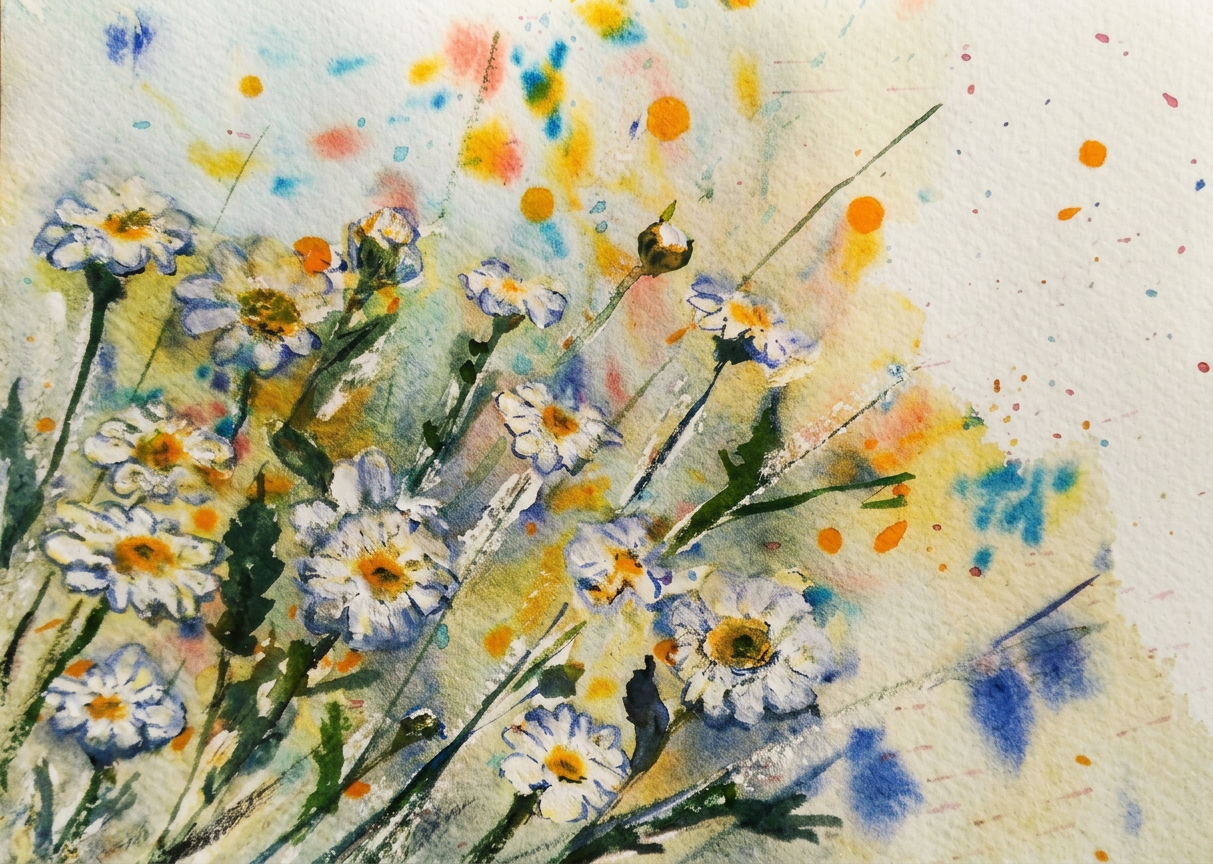
Daisies have already helped millions of lovesick romantics settle the eternal question: does this person actually like me, or are they just being nice? (Spoiler: the flower doesn’t know either, but at least it looks pretty while lying.)
Recited solemnly while engaged in the delicate art of aggressive petal plucking—because apparently, we decided flowers could predict love better than therapy ever could.
He loves me, He loves me not. He loves me, He loves me not. He loves me, He loves me not…
(Narrator voice: “The flower had no opinions on the matter.”)
Petals: the original dating app. No wifi required.
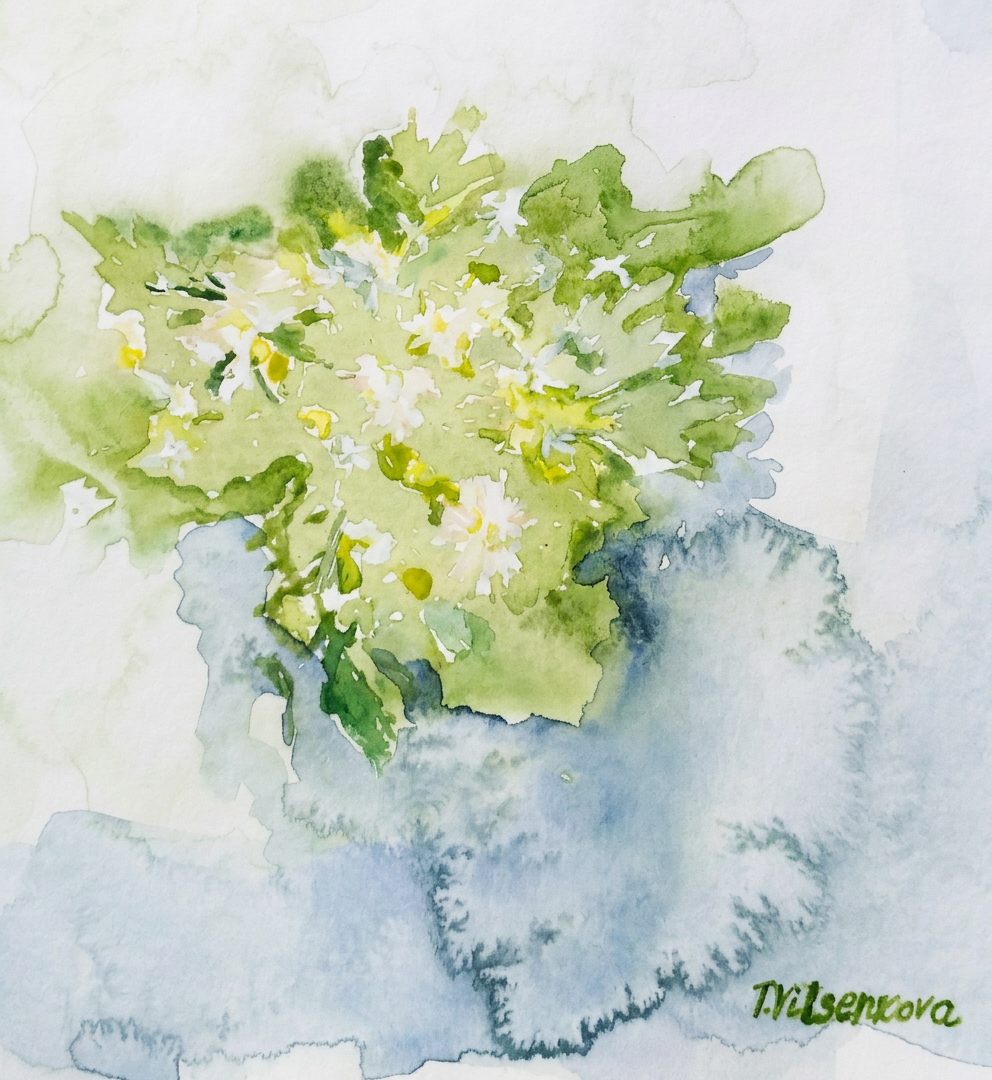
Watercolour painting of a flower plume of daisy petals—captured before they could escape the romantic nonsense being projected onto them.
Giverny. With the arrival of spring, the first flowers appear in Claude Monet’s garden—hyacinths, daffodils, pansies, and daisies all staging a botanical fashion show that makes the rest of us look bad by comparison.
Monet’s garden in spring — where even the flowers are better dressed than you.
Giverny is a small village in Normandy where the home and garden of the famous impressionist painter Claude Monet is located—basically the botanical equivalent of a celebrity mansion, except the residents are flowers and the paparazzi are just a bunch of very serious garden enthusiasts.
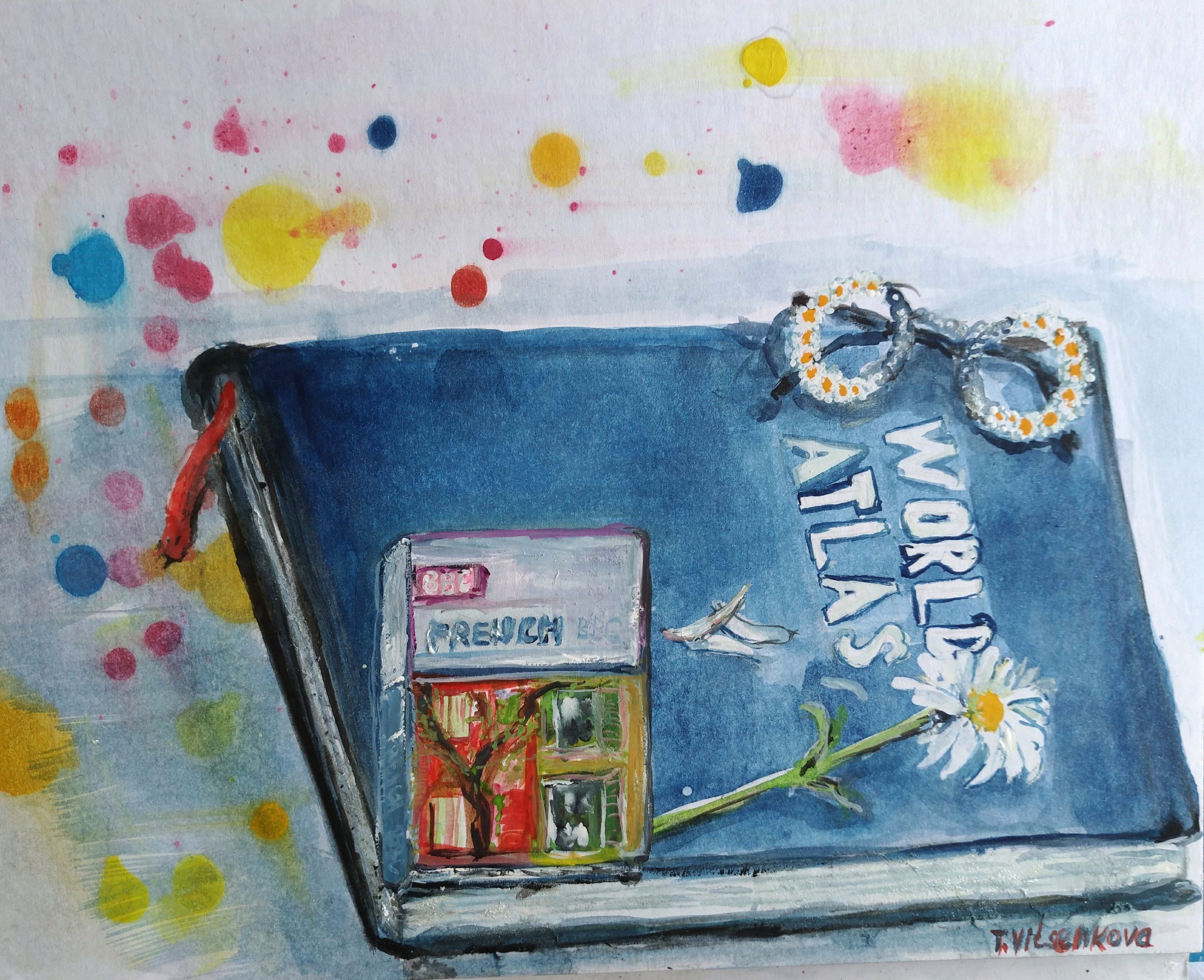
A summer hat painting. For when you want to look chic but a daisy already stole your spotlight.
Watercolour painting: a bird’s-eye view of daisies—painted from the perspective of someone who probably should have been working, but got distracted by flowers instead (relatable).
Bird’s-eye view of daisies. They had no idea they were being watched. Classic daisies.
#workfromhome goals: We are dreaming, planning future vacations around the world, and learning other languages. In my example, French—because nothing says “I’m productive” like avoiding actual work by becoming weirdly fluent in compliments and croissant-related vocabulary. :)
Fantasy. French countryside vibes. Currently unavailable to anyone with a job and responsibilities.
You might visit the Foundation Monet website to learn more about Giverny—or you could just stare at it longingly on the internet for free like most of us mortals do. http://fondation-monet.com/en/giverny/
Giverny address: 84 rue Claude Monet 27620 Giverny
(GPS is optional; just follow the trail of art students and disappointed daisy pluckers.)
Bon voyage! Until the next travel adventure—may your daisies be abundant and your romantic outcomes less dependent on flower petals. :)
All paintings belong to the author. No image is to be copied without permission—unlike the daisies, which are free to be plucked and interrogated by anyone with questions about their romantic future.
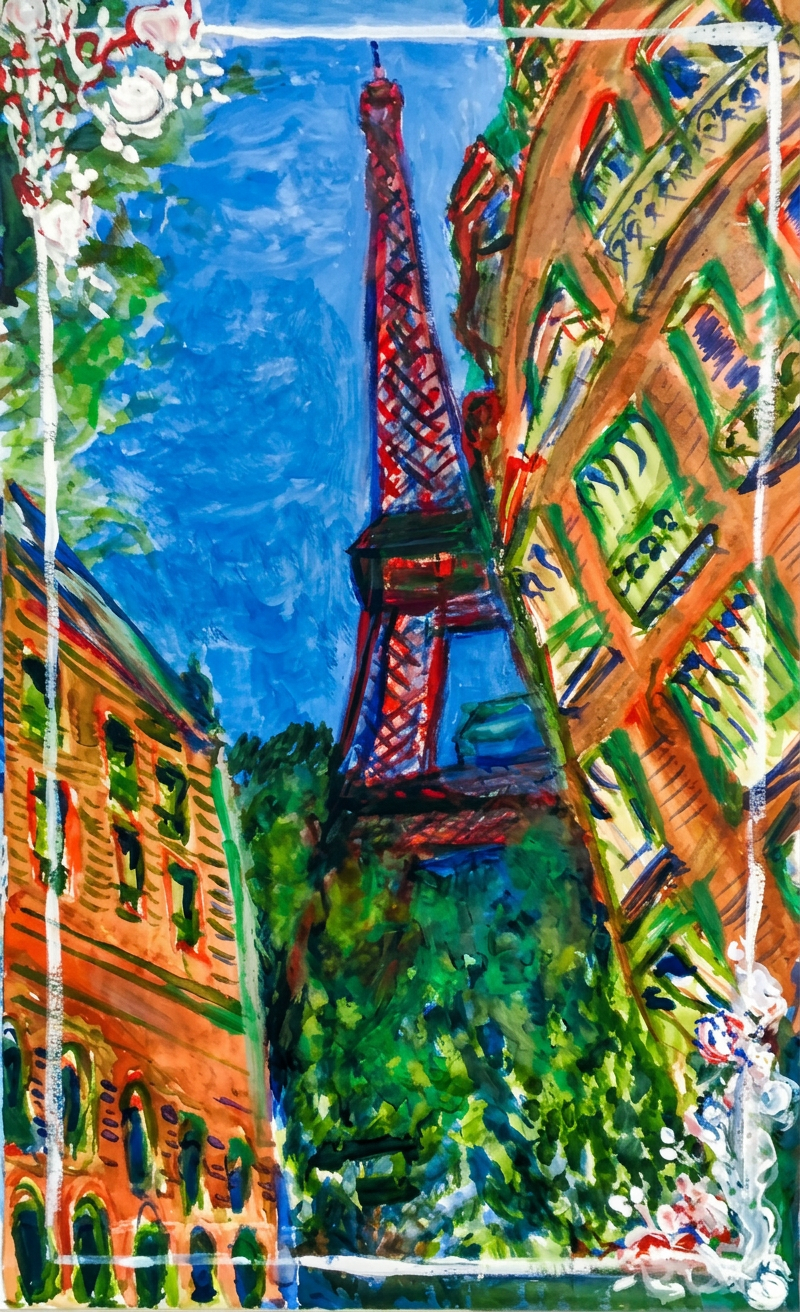
This post is about Paris, my favorite city in the world—and yes, I’m fully aware I’m in a long-term relationship with a place. I’ve gathered some of my paintings from over a decade to prove my obsession, complete with dramatic descriptions. It’s all about fantasy, mysterious love, and, naturally, its overly famous but still irresistible Eiffel Tower. What’s your favorite place? And if you’re an artist, do you paint it from pure imagination, or do you secretly rely on references and then pretend it was all in your head? Please share your experience so I know I’m not the only one hopelessly in love with a city.
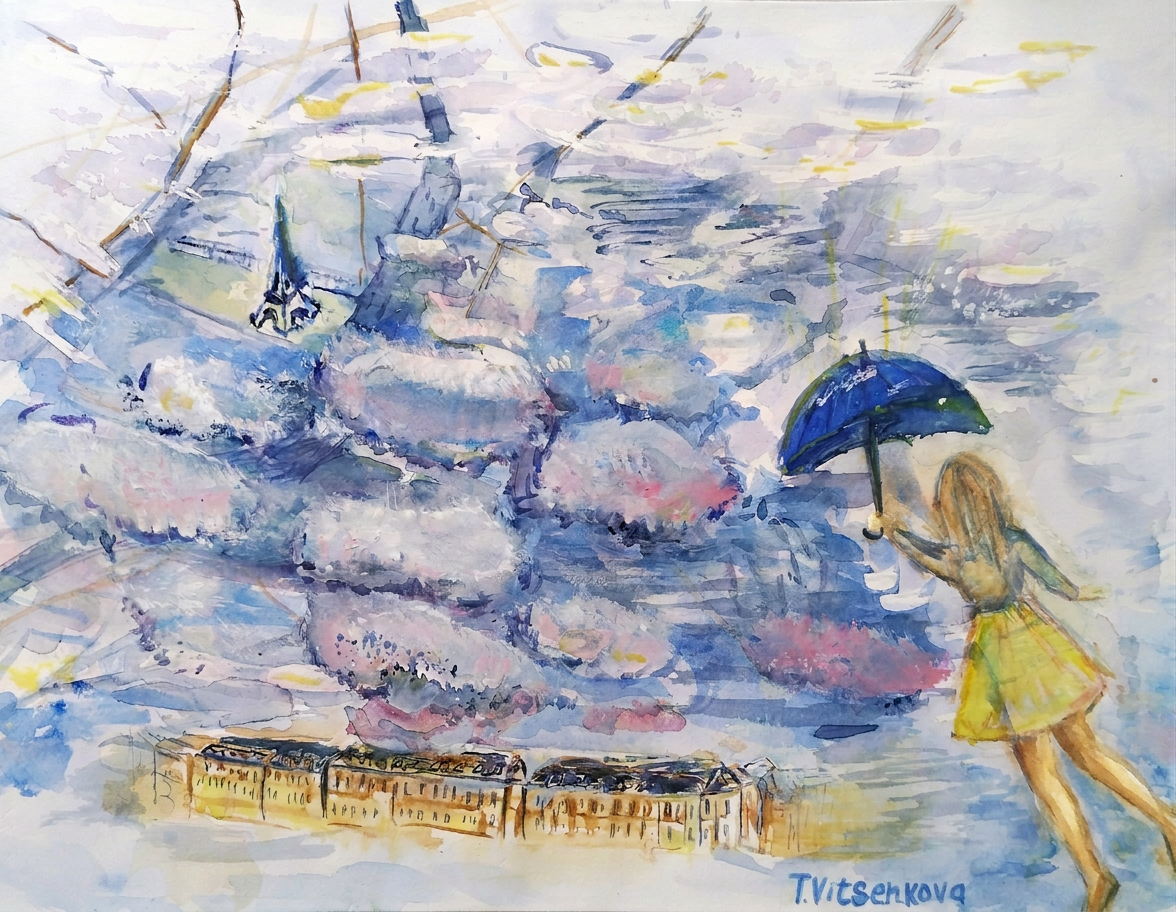
Paris fantasy. Flying above the clouds
Fantasy, soaring above the clouds in impressionist style—because apparently, we can’t wait for airplanes that actually work yet! 😄 Why bother with gravity-defying metal tubes when your dreams come with a free upgrades package? I fly a lot (yes, I enjoy the mediocre airline pretzels), and I absolutely love staring at clouds from below—whether I’m grounded or awkwardly pressed against a tiny window at 35,000 feet.
Up, up, and away — Paris from the clouds.
Paris, pink sunset near the Eiffel tower
#Paris on a summer evening. A gentle pink sunset and lanterns. An interesting fact about the #EiffelTower is that most marriage proposals by lovers are made on or near the Eiffel Tower.
Pink skies and moody waters. Paris doing what Paris does.
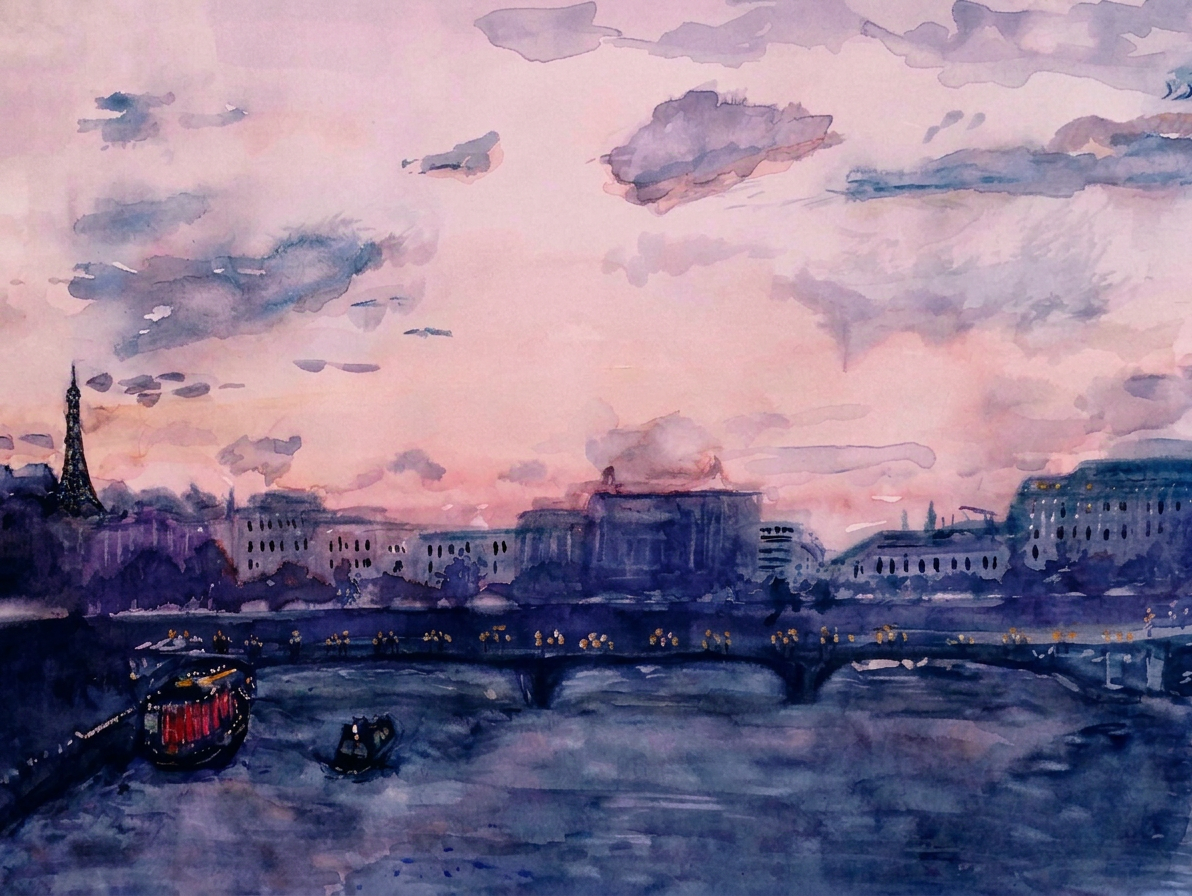
Paris. Bridge
I painted this from my summer photos, but mostly from memory (because apparently my brain has better graphic design software than Photoshop). In the evening, when the contrast hits just right—the water’s gone all moody and dark, the city’s basically invisible on my end, but the sky’s still showing off in hot pink—add some dramatic storm clouds above the city, and boom! You’ve got visual drama that even soap operas can’t compete with.
Bridges, locks, and a whole lot of love.
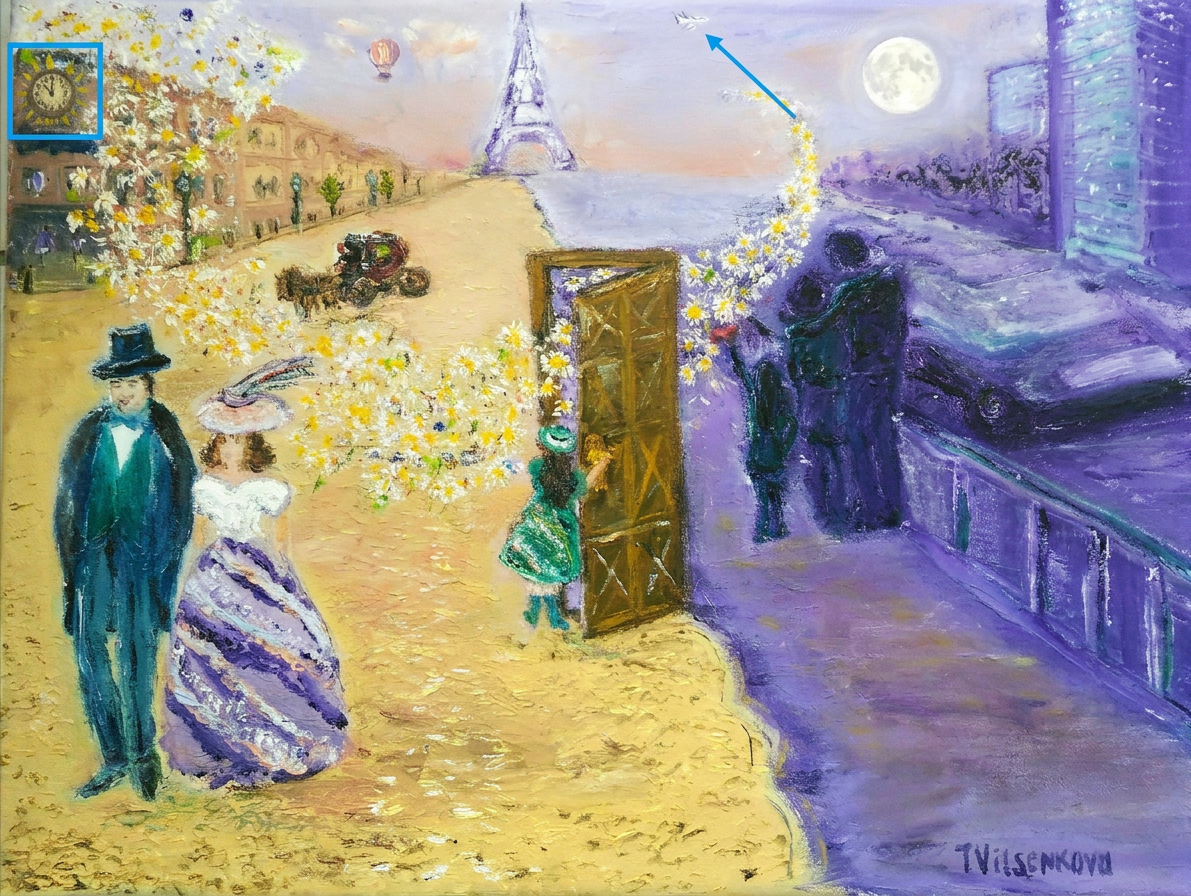
Paris. Door between Worlds. Surrealism
This is one of my favorite paintings Paris. Door between Worlds. Surrealism
The door to another era. Knock if you dare.
“The most beautiful things we can experience are the mysterious.” —Albert Einstein (who clearly never saw Twitter comment sections).
Ten years ago in Paris, I spotted a group of people dressed in full 19th-century cosplay—sorry, I meant “authentic period clothing”—for a fancy party. What absolutely floored me wasn’t just their fancy getups, but the fact that they actually talked to each other without checking their phones every 2.3 seconds! Revolutionary concept, right? They gave each other their undivided attention like civilization hadn’t completely collapsed. It hit me then: in our hyper-speed modern life, we’ve basically become professional phone-checkers who occasionally remember how to have actual conversations.
The painting features an imaginary door adorned with a fabulous floral plume of daisy petals (very extra, I know) that opens into another world—a parallel reality of times gone by. Because curious minds are stubborn that way; they’ll always find the door, the window, or the slightly ajar trapdoor to peek into alternative universes.
So here’s the existential menu: How did people actually live in previous centuries? What’s our future going to look like? And most importantly, where’s that door we can sneak through to glimpse other realities? These are the burning questions that keep artists awake at 3 AM instead of sleeping like normal people.
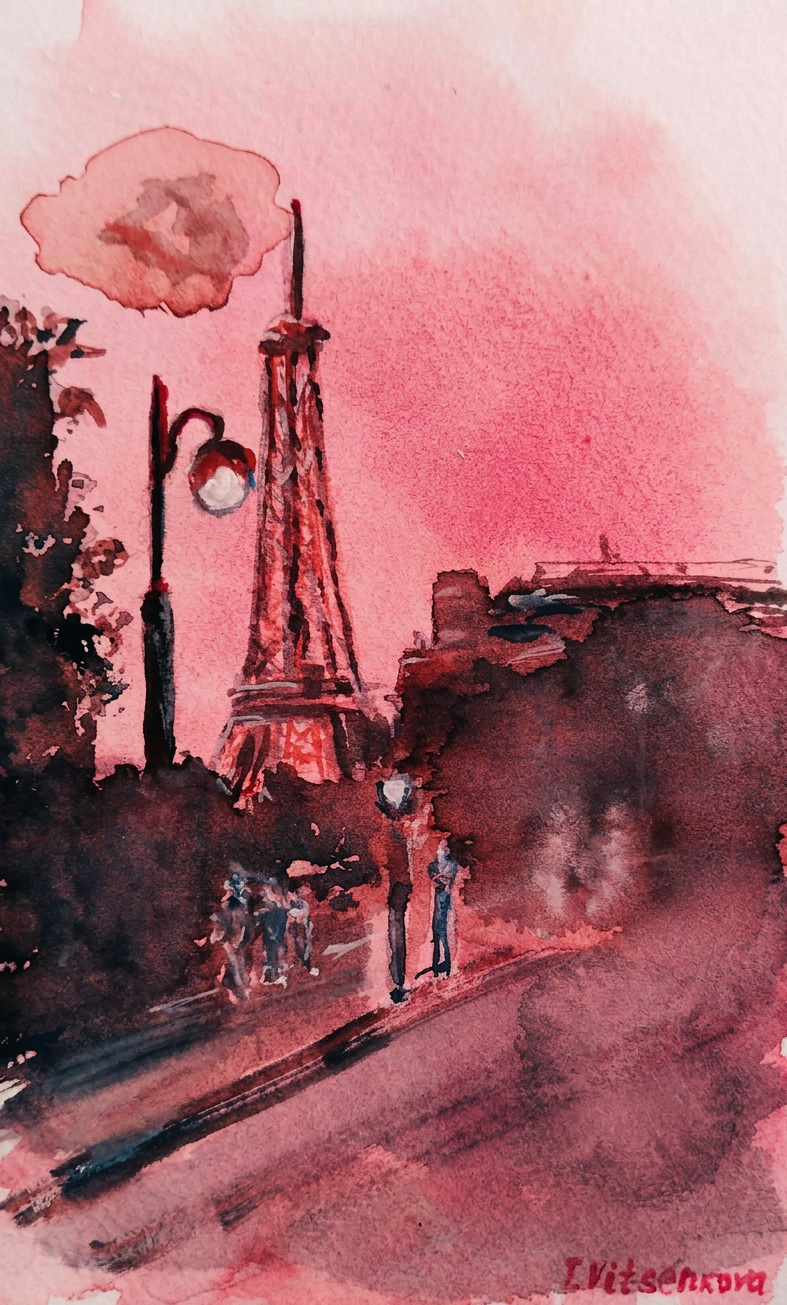
Eiffel Tower in Red
Here’s a fun fact about the Eiffel Tower: it’s basically the world’s fanciest engagement prop. Most lovers end up popping the question on it (or at least within selfie distance). So now you know exactly where to take your boyfriend or girlfriend on vacation if you want to gently nudge them toward daydreams of a shared future, overflowing with love! Just be warned: it can be windy, freezing, and absolutely packed with tourists—so your big romantic moment may come with chattering teeth, photobombers, and a lot of “Excuse me, can you move a little to the left?”
The one, the only. You know who.
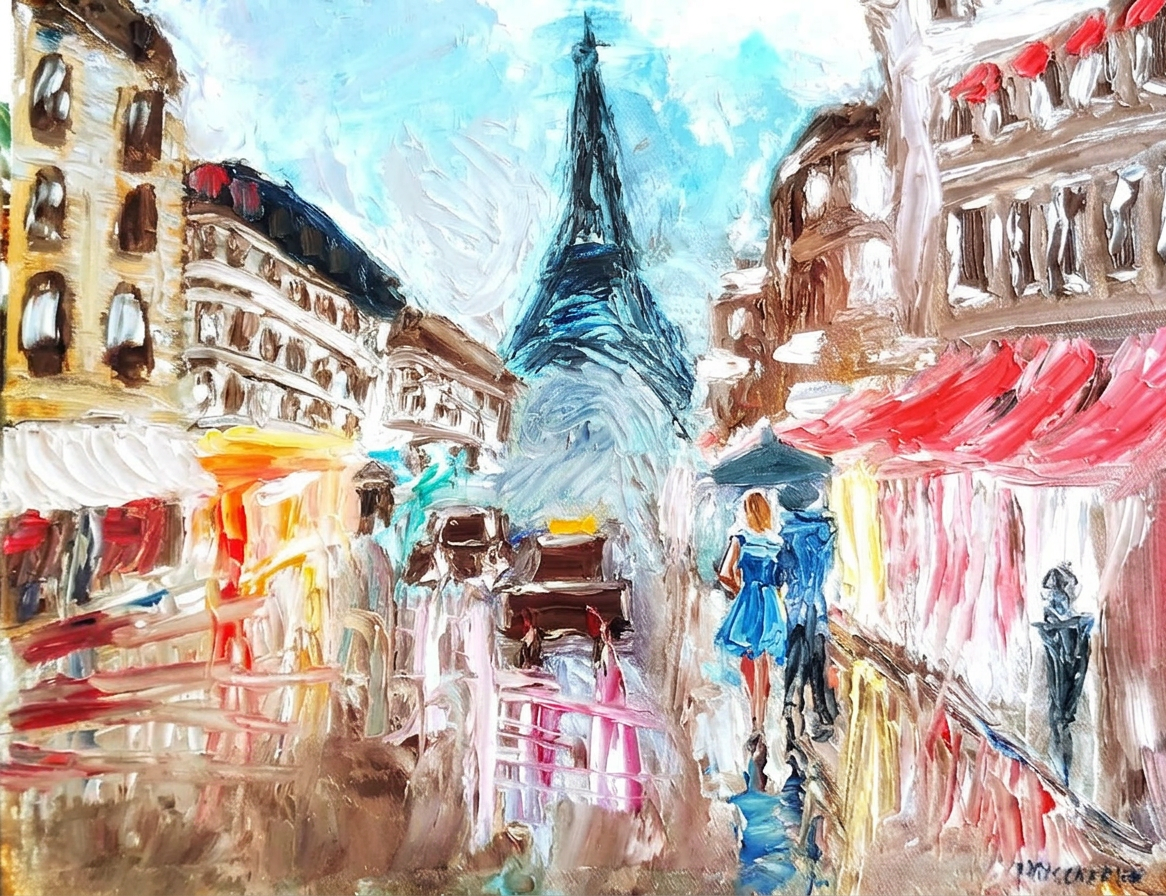
Rainy Paris Eiffel tower
Rainy Paris and its romantic streets with the Eiffel Tower patiently waiting in the distance (possibly hoping someone remembered they existed).
Rainy Paris—where the drizzle is basically a character in its own right.
When I was painting this painting, I was simultaneously reading Ernest Hemingway’s ‘Moveable Feast’ (multitasking at its finest!). We lived through our one-week Christmas-New Year vacation near the Eiffel Tower—you know, that modest little structure that basically announces “You’re definitely in Paris!” from literally every street corner. Every café, every crossroad, every suspicious alleyway screams Eiffel tower It was cold and slushy (Paris in winter: beautiful but absolutely freezing!), yet somehow the city was stunning anyway. Who knew misery could be so photogenic?
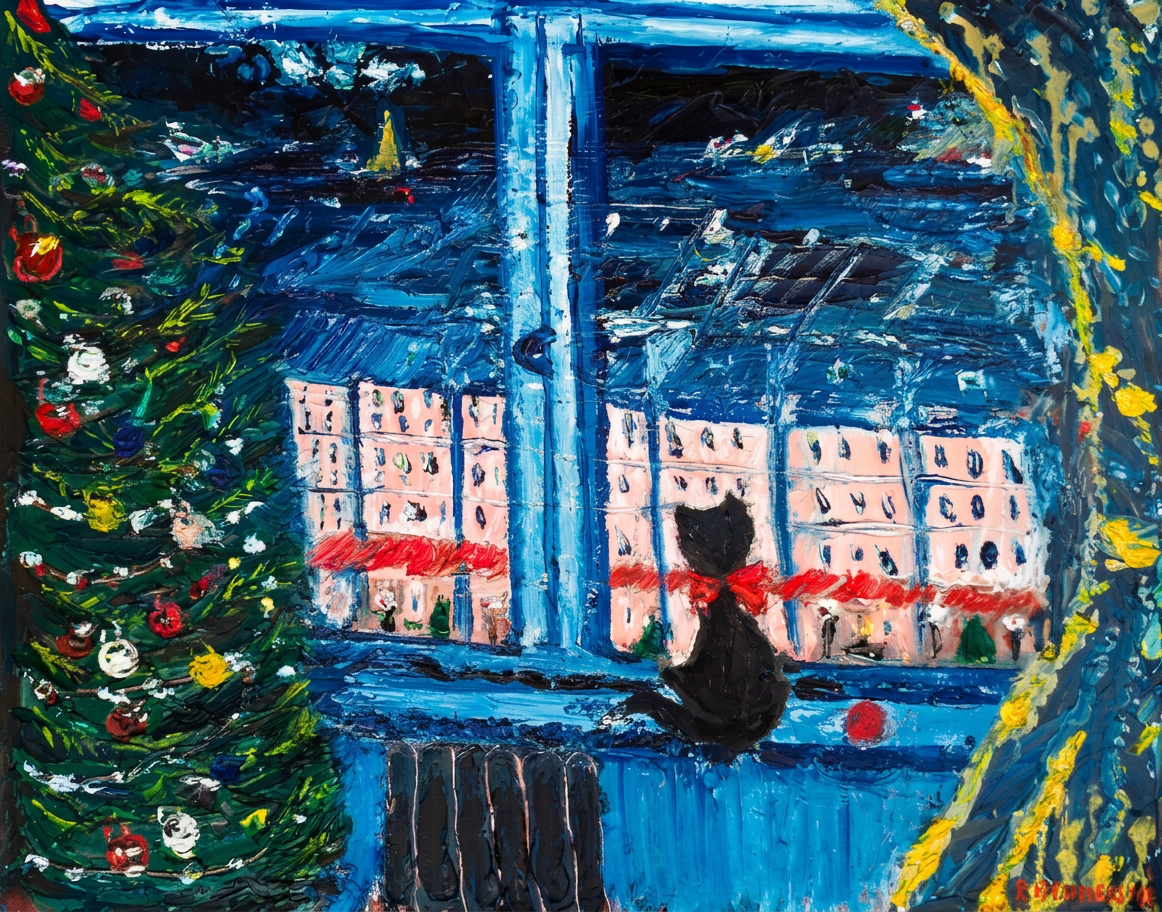
Christmas window in Paris
Christmas window in Paris featuring the star of the show: a very judgmental cat.
We attended a Dali exhibition at the Pompidou Centre while standing in what felt like an eternal line to enter the museum. But the wait was worth it! The view of Paris was absolutely spellbinding. For a magical moment, I just wanted to be that little cat sitting in a warm room, surrounded by the sweet smell of a chocolate Christmas tree, admiring the Parisian winter from a cozy windowsill. Paris, you are officially my dream destination!
Christmas window in Paris
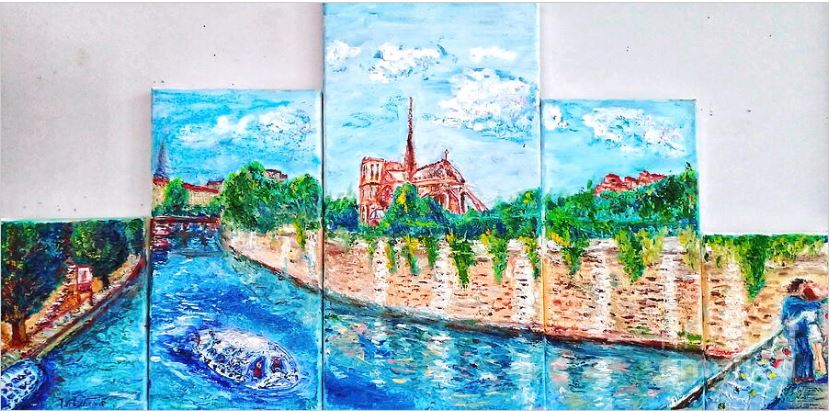
Romantic Paris Notre Dame on the island de la Cite
5 in 1—because one painting is never enough when you’re having this much fun!
Romantic Paris Notre Dame on the island de la Cite
Our magnificent Seine River boat cruise revealed a completely different Paris—the one you’ll never discover by just walking around like a confused tourist! We hit all the greatest hits: Notre Dame Cathedral, the Eiffel Tower (again!), the d’Orsay Museum, and the Louvre. Then there’s Pont de l’Archevêché (Archbishop’s Bridge), connecting Notre-Dame’s backside (Île de la Cité) to the Latin Quarter. Plot twist: This is actually the “real” lovers’ bridge, covered in thousands of locks—way more romantic than you’d think for a bridge that’s literally about locks!
I painted this as Modular Art (fancy term for “polyptych”), which is basically one image split into five fabulous sections. Fun historical fact: Ancient Greece and Rome were doing this modular thing in their homes way back when—so we’re basically time-traveling with art here! The brilliant part? All five sections share one cohesive storyline, color scheme, and painting method, creating this trippy effect where the image feels alive and three-dimensional. This creates visual movement that makes your brain do backflips! It’s basically interior design’s way of saying, “Hey, I’m modern and exclusive!” You can display all five sections together as one epic masterpiece, or separate them for five different mini-stories about the City of Love. Flexibility? We’ve got it!
Did you know the Eiffel Tower is one of the most popular spots on Earth for marriage proposals—and it’s all about the atmosphere and romance? We’re curious: what’s *your* favorite place in the world, and what made it such an unforgettable, artistic vacation for you—was it the architecture, the museums, the street art, the local crafts, or something totally unexpected?
Bon voyage! Until our next adventure (hopefully with better airport pretzels!) 😊
Artist’s toolkit for this magnificent creation: Watercolour (Charvin and Van Gogh brands—only the best!), Pastel GrayPas Expressionist, Derwent watercolour pencils, and Faber Castell artist pens. Paper: Strathmore Watercolour and Mixed Media albums. Size: 25×30 cm (because bigger is always better, but not always practical!).
Travel and Art. Urban Sketching in Paris: Bastille Day Highlights.
French National Day
Every year, French Nation celebrates the most important day for the country French National Day or Bastille Day.
July 14 in 2019 was year of 230 anniversary of Bastille and 130 years of Eiffel Tower. It was one of my life’s highlights and here are some tips how to celebrate the Bastille Day in Paris.
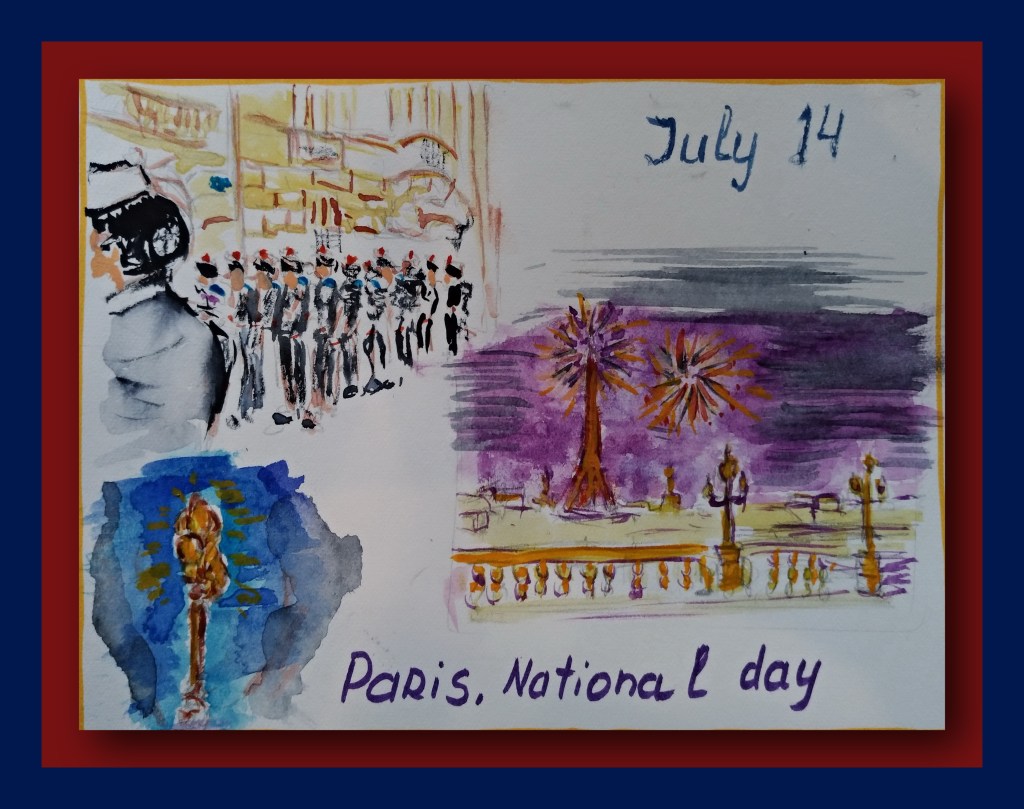
A watercolor painting of the bustling Pont Alexandre III in Paris. It showcases its iconic golden statues and lively atmosphere. This is perfect for celebrating Bastille Day.
The most attractive bridge in Paris, Alexander III, that connects Artillery Academy and Concord square. It is illuminated day and night. The bridge features gold statues and gorgeous street lamps. Relaxing and busy locals and visitors from all countries enjoy it.
Sketches capturing the festive atmosphere of Bastille Day in Paris, featuring fireworks, a military parade, and iconic street lamps.
Fireworks in Paris
July 14, some sketches were done on location with fireworks, parade and street lamps on the streets of Paris.
A vibrant urban sketch captures the Eiffel Tower against a colorful sunset. It showcases the lively atmosphere of Paris during Bastille Day celebrations.
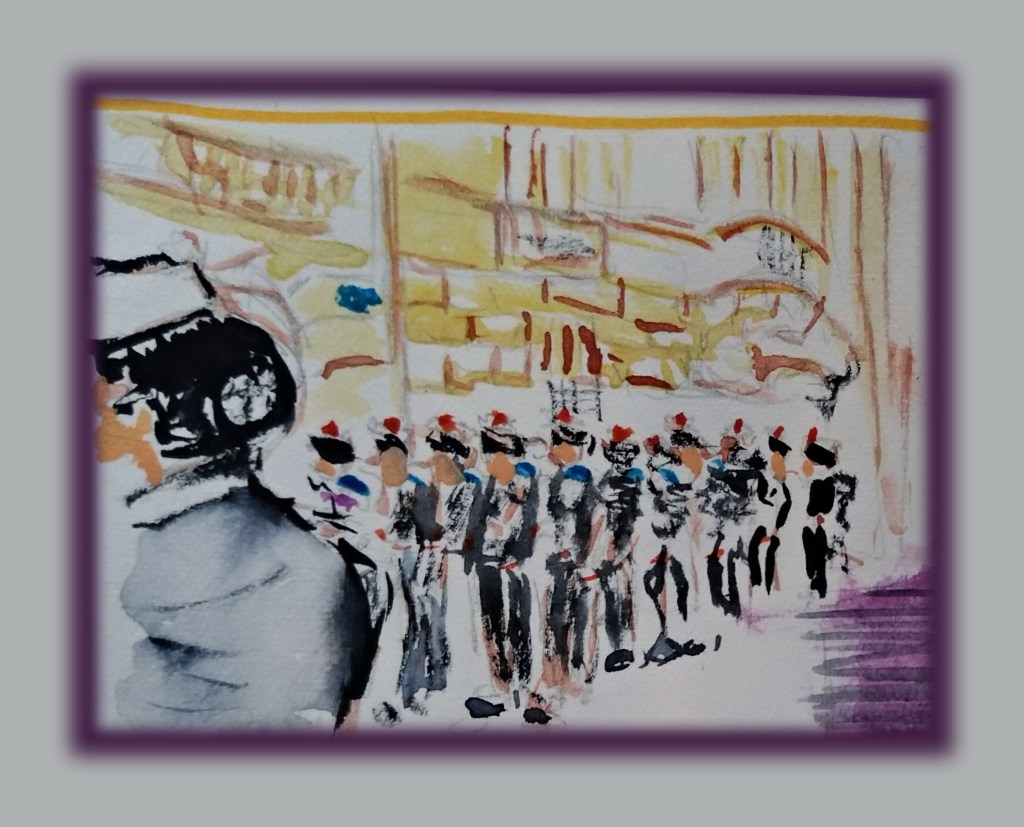
Sketch of a military parade during Bastille Day celebrations, showcasing uniformed soldiers and a festive atmosphere in Paris.
I suggest watching Paris’ morning military parade down the Avenue des Champs Élysées, there are representatives of different military units. Interesting view when airplane planes are painting the sky in a 3-color rainbow- red, blue and white.
Wedding in Paris
Then, relaxing walking around city, it is nice holiday atmosphere. I made few sketches on location.
How about wedding in Paris? I did the painting of a bride on one of the Parisian bridge when a designer, groom and photographer were around this young lady in her white dress in one of important day in the life:)
A bride poses for a painting on a Parisian bridge. She is surrounded by her wedding party. The iconic Eiffel Tower is in the background.
Sport in Paris
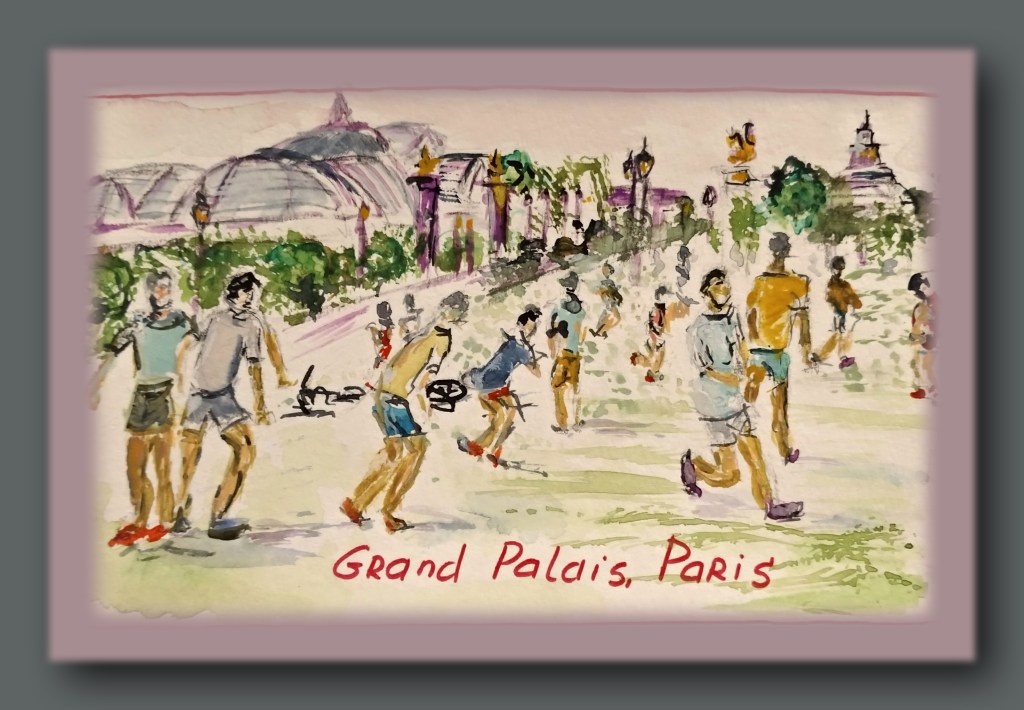
In the center, next to Grand Palais, people are playing football. Others are sitting and enjoying lunch on the grass. They are waiting for the fireworks. I noticed there were no one unpleasant incident during a day even the city is full of people:)
Sketch of people enjoying leisure activities at Grand Palais in Paris, capturing the festive atmosphere of Bastille Day.
There is a young couple on scooters exploring the city. A mother and a girl are playing games next to the Paris Military Academy. This day has a very relaxing feeling.
A lively sketch shows a young couple on scooters. A mother and her daughter are enjoying a relaxing day near the Paris Military Academy.
Where to eat- how about the historical place?
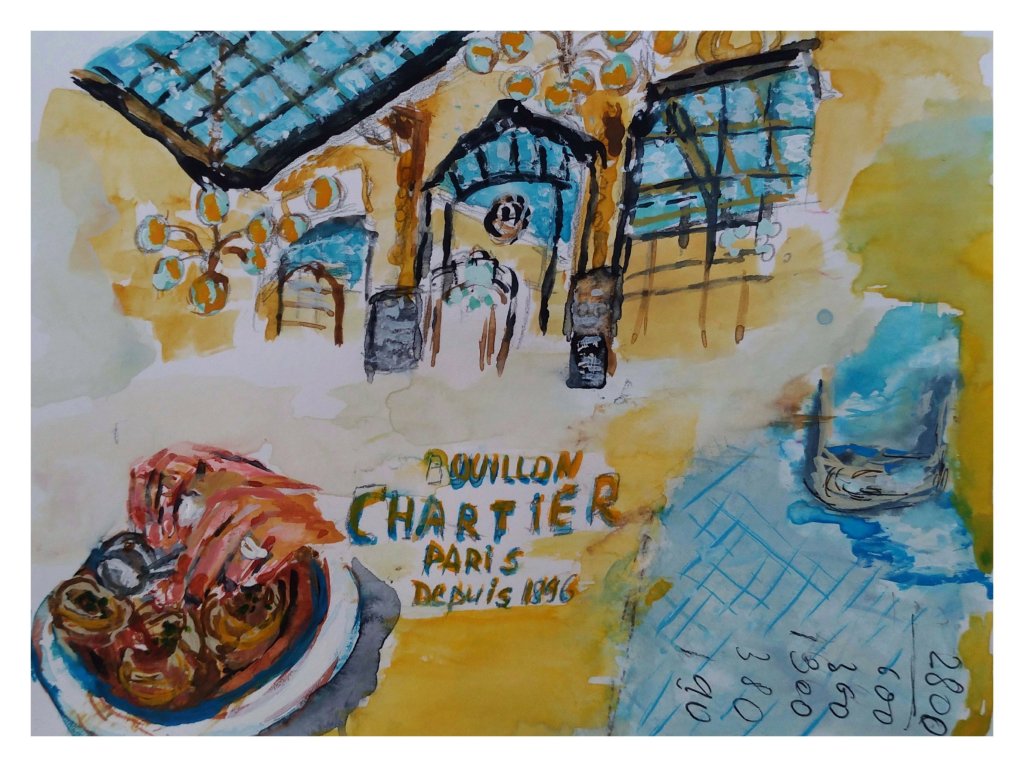
The restaurant Bouillon Chartier is known for its magnificent stucco molding on the walls.
In Les beaux quartiers, Louis Aragon mentioned Le bouillon Chartier. The young medical student character Edmond Barbentane has lunch there regularly…
It has a majestic atmosphere. The waiters write the bill directly on the tablecloth. They have followed this custom since the opening in 1896.
An artistic watercolor depiction of Bouillon Chartier, highlighting its historic charm and vibrant ambiance.
Most importantly, its food is ingenious, homemade, and varied. The dishes are not very expensive, always offering something to surprise and welcome their clients. There is even a song about this restaurant. The restaurant is mentioned in Albert Willemetz’s 1939 song “Félicie aussi”, sung by Fernandel.
Evening events on National French Day
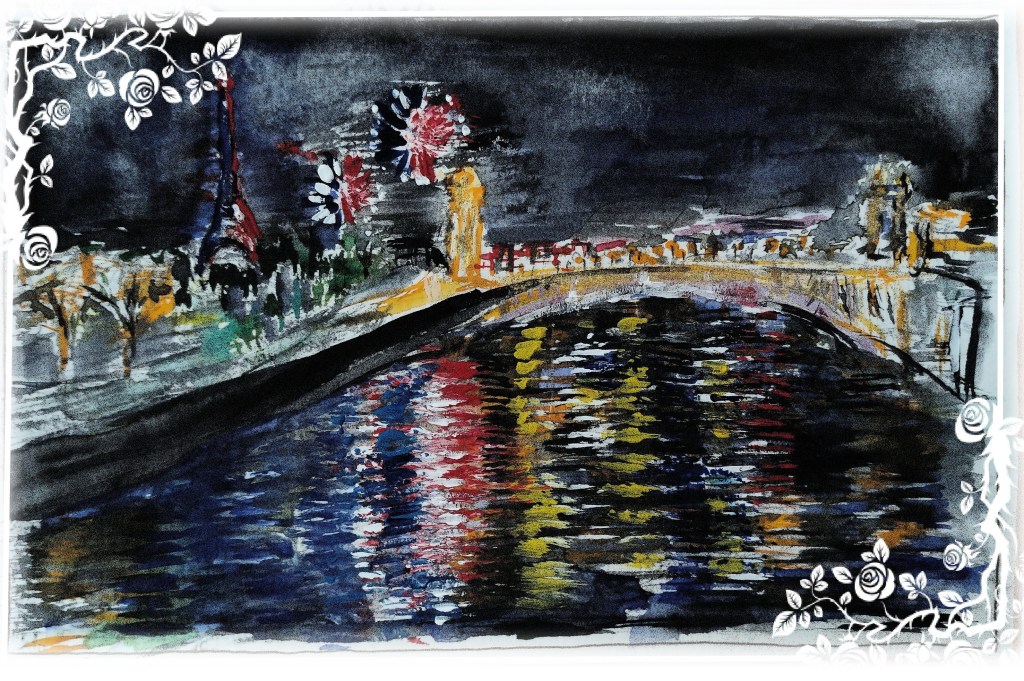
A vibrant watercolor sketch captures the fireworks above the Eiffel Tower. The scene reflects on the Seine River during Bastille Day celebrations in Paris.
And of course the highlight of this day- firework in the evening! We chose a place to watch firework on the bridge. We were standing in Parisian Babylon. We admired the view of the Eiffel Tower and the firework itself. We also saw the reflection of the city and the next bridge, Alexander III. People were shouting joyful exclamations, they were from different parts of the world, enjoying of this show there were people from the UK, China, Portugal, Russia, Japan, and us, from Canada:)
Well, there are 5 reasons to be in Paris in National French Day
Start with the morning parade. You can relax or play football with your friends in the center of Paris. Alternatively, rent a scooter and enjoy Paris with some speed. Don’t forget to view the Eiffel Tower with some snack. A baguette is a must-have. Enjoy the night fireworks. Additionally, engage in urban sketching of happy life. Capture the architecture of the old and young city of Paris.
Bon voyage! Until the next travel:)
All paintings belong to the author. No image is to be copied without permission.
You are welcome to visit my personal website pages. There, you can find out more about the artwork I am offering in oil and watercolor paintings. You can buy canvas prints, framed prints, and more artwork.
Tools used for my painting. Watercolour used Charvin and Van Gogh brands, Pastel GrayPas Expressionist, Derwent watercolour pencils and Faber Castell artist pens. Paper Strathmore Watercolour and Mixed Media albums, 15×20 cm (6×8 in.)
There are many options to do one-day trips from Paris. This time we chose a day trip to Fontainebleau & Vaux le Vicomte chateaus.
The Château de Vaux-le-Vicomte is accessible by public transport. But, it will take a couple of hours with subway, train, and a local bus. Alternatively, you drive by car.
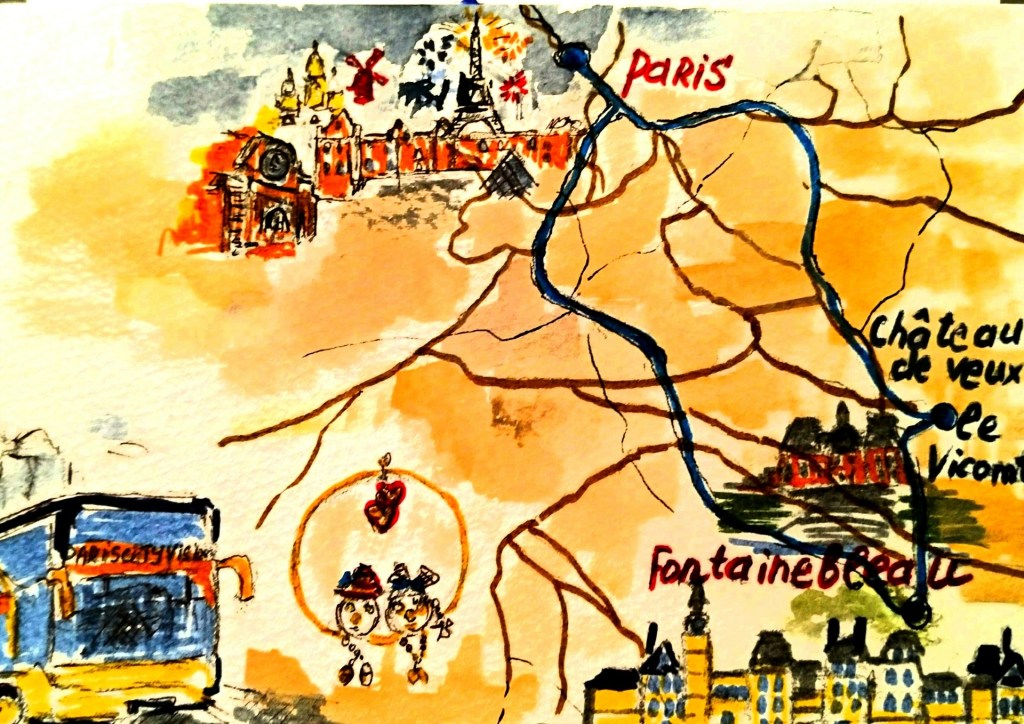
Illustrated map detailing the route from Paris to the châteaux of Vaux-le-Vicomte and Fontainebleau, highlighting a romantic one-day trip itinerary.
Map to two chateaus. Our one day trip’s itinerary is from Paris to Chateau de Veux le Vicomte and Fountenableau, back to Paris. We took a bus from Paris City Vision.
Departure is from Paris’ center, highly recommend this trip, just book it in advance:)
In the middle of sketch is our couple, my husband and I, who loves traveling, art and architecture.
The first castle was Vaux le Vicomte château
A view to stunning Vaux le Vicomte château that later inspired the famous Versailles. I imagined that beautiful ladies with little colored umbrellas from 17th century are walking at the park.
A watercolor depiction of the stunning Château de Vaux-le-Vicomte, showcasing its elegant architecture and surrounding water features.
The legend says that Nicolas Fouquet invited King Louis XIV. He also invited the whole court to the inauguration of the Château de Vaux-le-Vicomte.
The owners organized a grand and luxurious party and a dinner. Gold-plated gondolas glided through the channels. Gold salad bowls decorated its tables.
The monarch was blinded by the brilliance of the stolen gold. He refused to stay away for the night. Instead, he went to Fontainebleau. The unlucky aristocrat dared to challenge the Sun King. The musketeers arrested him on charges of fraud of the state treasury. Sentenced to life imprisonment and deprived of connection with the outside world.
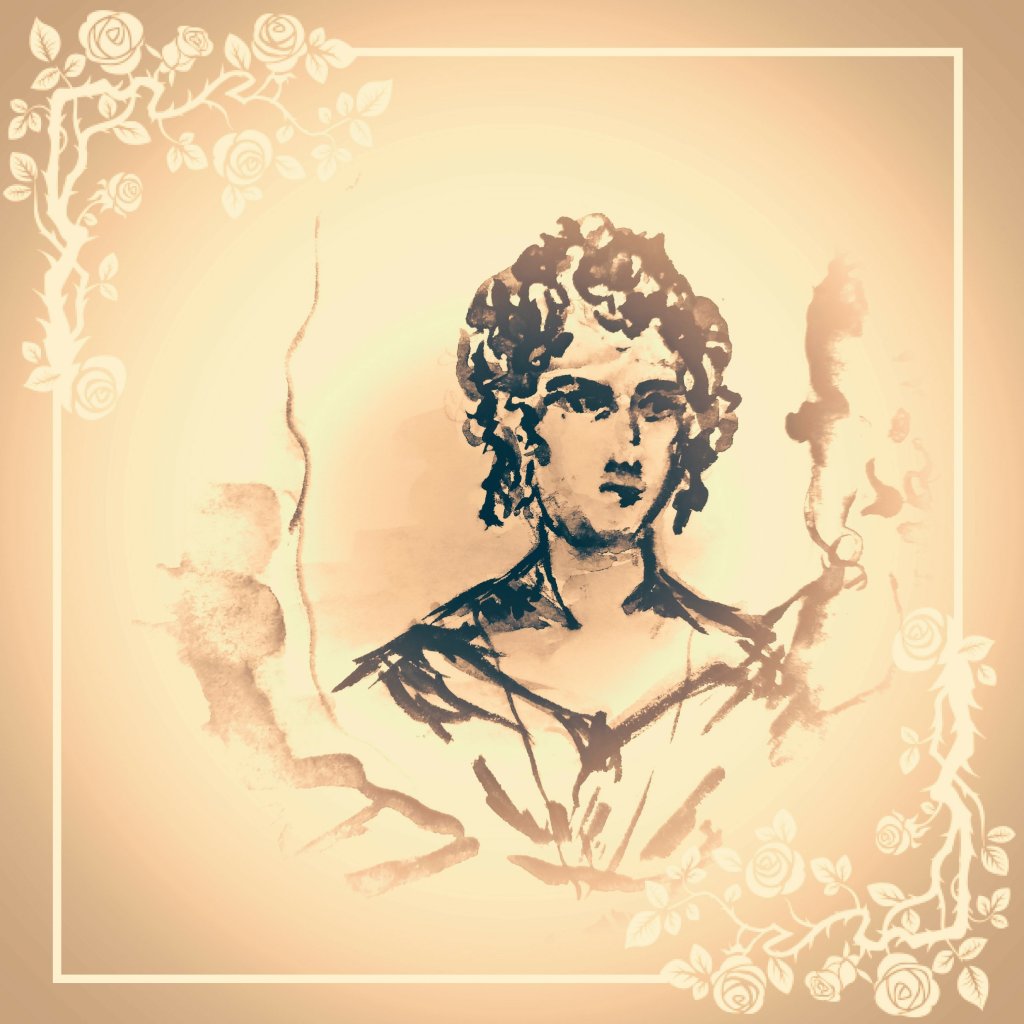
Illustration of a legendary lady associated with the Chateau de Vaux-le-Vicomte, representing the influence of women in its history.
Ladies who guard the family and peace. What is the most fascinating in the history of the chateau are their legendary ladies of Vaux les Vicomte chateaux. Just some of amazing legends.
The first, Marie-Madeleinede Castille, the spouse of Vaux les Vicomte, continued supporting her husband. He received what was initially supposed to be three months of detention. It was later changed to a life sentence.
Mme Fouquet fought for her husband for many years, and recovered their family property 10 years later. Guyonne de Durfort was another intelligent lady. During the revolution, she didn’t let the castle be plundered. She kept the whole situation in her hands. She gave the castle to the “disposal” of the revolutionary committee and … voila … the whole furniture is still in place.
One more heroic lady Permisine Cas de Dorier set up a military hospital in the chateau during World War.
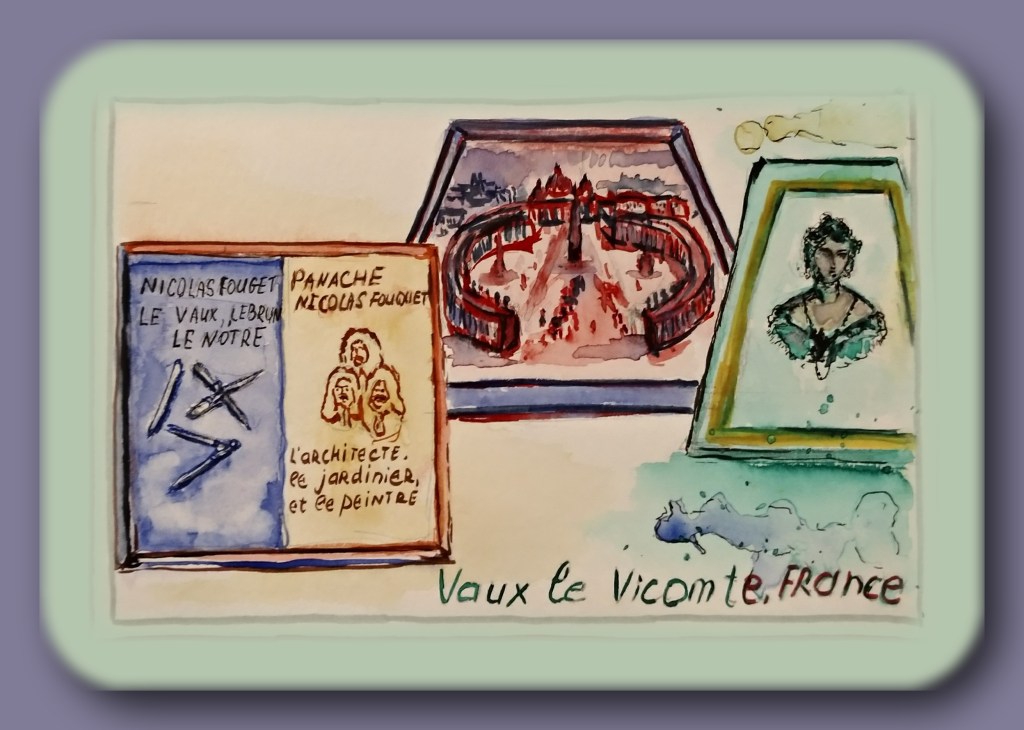
Artistic illustration of the history of Château de Vaux-le-Vicomte, highlighting Nicolas Fouquet and the architectural team behind the masterpiece.
The history says that the castle was built by three masters. Nicolas Fouquet, Louis XIV’s Superintendent, assembled a team. He brought together an architect, Louis Le Vau. Charles Le Brun, a painter, was included as well. Lastly, André Le Notre, a landscape gardener, joined to execute the entire project. The result of this fraternal union was a work of supreme gorgeousness.
Artistic representation highlighting Nicolas Fouquet, architect Louis Le Vau, painter Charles Le Brun, and gardener André Le Nôtre, who collaborated on the magnificent Château de Vaux-le-Vicomte.
By the way, a cafe in the chateau will appeal to any lover of French cuisine
A watercolor depiction of the elegant gardens and architecture at Château de Vaux-le-Vicomte, showcasing its stunning design and historical significance.
Crews and fun were present at only during the first ball. You feel ghosts everywhere…
Artistic representation of Vaux-le-Vicomte château, depicting its iconic features and surroundings.
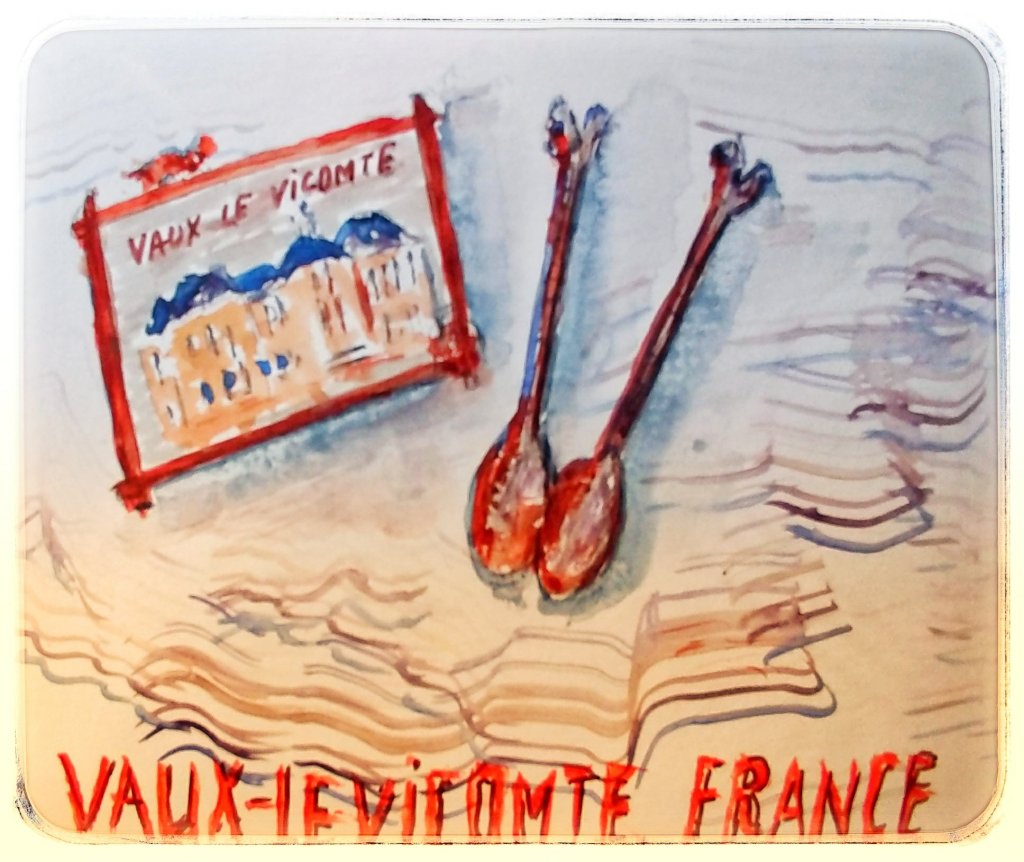
Why do not buy a magnet and little spoons with little squirrels on top. Yes, squirrel is emblem of the family and chateau.
On summer evenings, costume candles are held here by candlelight, we will definitely return…
Next castle was Fontainebleau chateau, Stendhal called it the “architectural encyclopedia” and Napoleon called the “House of Ages”.
UNESCO World Heritage
Four French monarchs were born in the Fontainebleau palace, and for many rulers it was the main residence. At present, the palace is part of UNESCO World Heritage. Its chambers, galleries, parks, and gardens are simply amazing.
BBC series “The Impressionists”
I’ve learned about the Fontainebleau garden from BBC “The Impressionists” where young Monet, Renoir and Bazille were painting Fontainebleau forest.
Artistic depiction of the Egyptian Sphinx statue at the Château de Fontainebleau.
In the middle of the magnificent French-style formal gardens, there is a statue. This statue is the Egyptian Sphinx of Chateau de Fontainebleau, Paris, France. Why did it here, in the majestic royal and imperial château in the heart of the forest of Fontainebleau.
A colorful watercolor depicting the throne room at Fontainebleau, where Napoleon famously signed his abdication.
Chambers of Napoleon
The chateau was the first to be conceived as a residential complex and not a bastion. Kings were born here; Napoleon signed the abdication in this room, on this chair the great commander was sitting. According to the legend Napoleon said to his subordinates “Did you want to relax? You will get your rest”.
Artistic depiction of Napoleon’s throne from the chambers of Chateau de Fontainebleau, showcasing the grandeur of French history.
In the chambers of Napoleon, you can immerse yourself in the time of the great emperor.
He was famous for his wish to go down in history.
Gallery of Diana
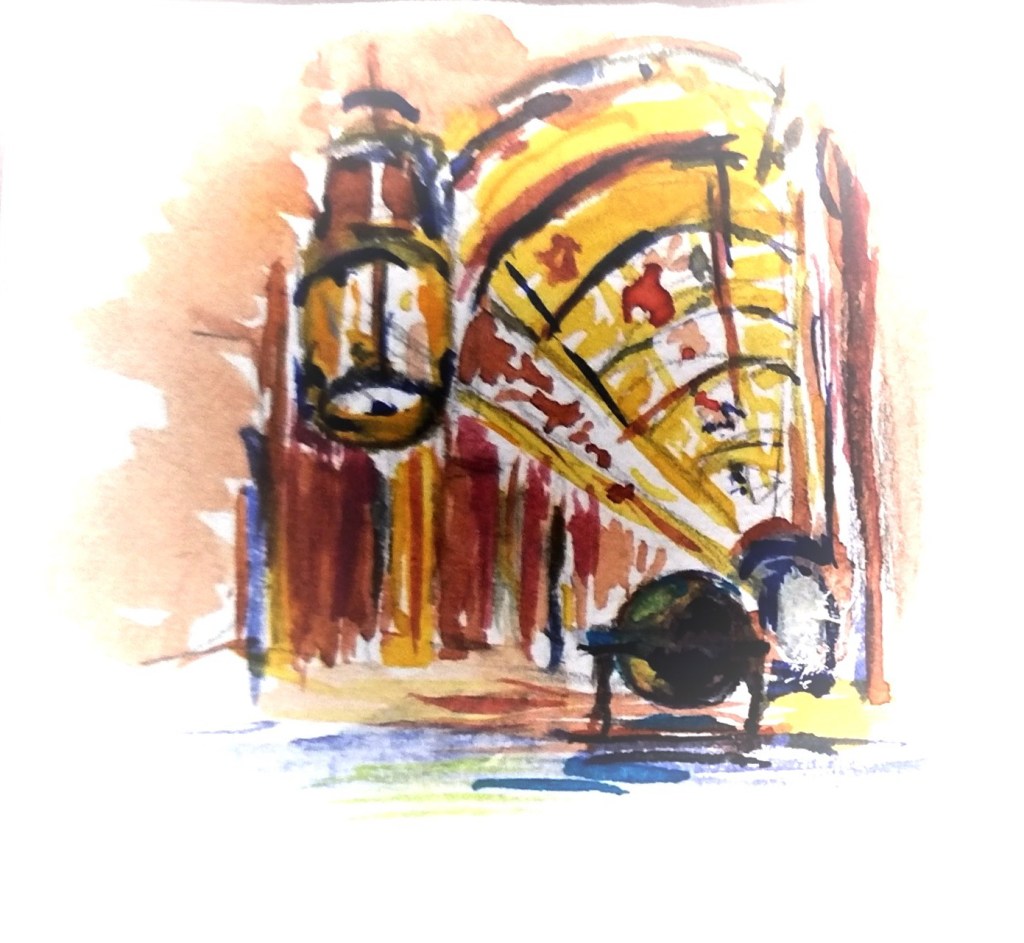
The Fontainebleau library bathed in the sun, thanks to Italian masters, the French Renaissance was born. In the middle of the library there is a vast globe. The library holds the originals of books dating back to the 13th century.
Watercolor illustration of the Gallery of Diana in the Fontainebleau library, showcasing its grandeur and historical significance.
Well next time we visit another chateau, maybe Versailles?:)
Bon voyage! Until the next travel:)
You are welcome to visit my personal website pages. There, you can find out more about the artwork I am offering in oil and watercolor paintings. You can buy canvas prints, framed prints, and more artwork.
All paintings belong to the author. No image is to be copied without permission.
Tools used for my painting include Charvin and Van Gogh watercolours. I also used Pastel GrayPas Expressionist. Derwent watercolour pencils and Faber Castell artist pens were also utilized. Paper Strathmore Watercolour and Mixed Media albums, 15×20 cm (6×8 in.)
PARISCityVISION agency. address: 2 Rue des Pyramides, 75001 Paris. Trip to Fontainebleau & Vaux le Vicomte
Chateau de Vaux-Le-Vicomte. address 77950 Maincy, France
Chateau de Fontainebleau. address Pl. du General-de-Gaulle, 77300, Fontainebleau, France.

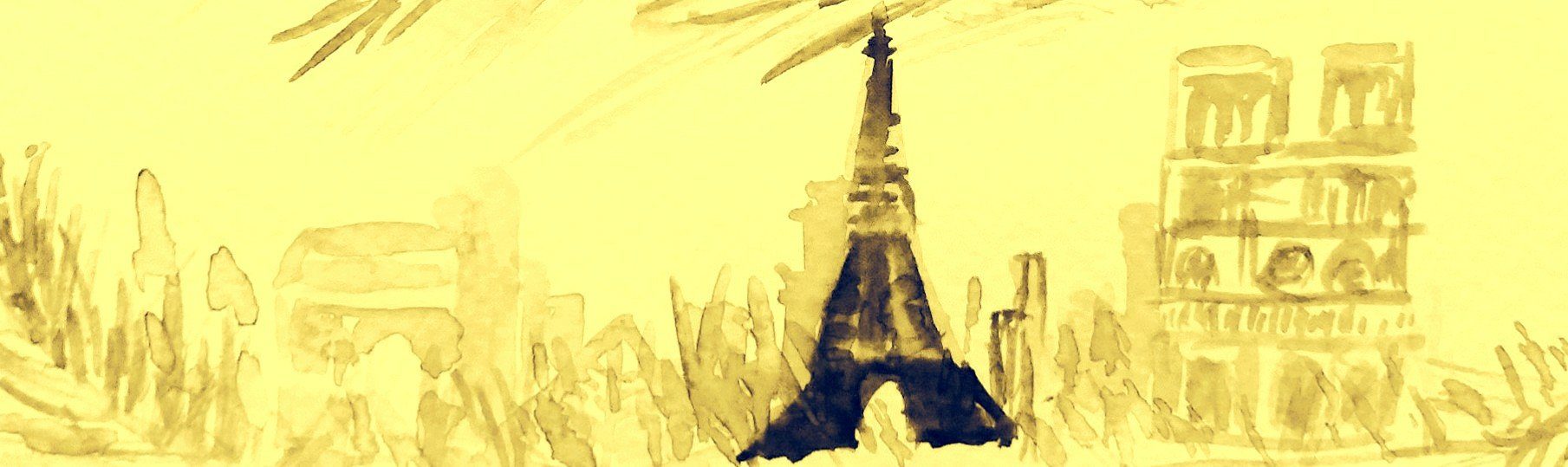
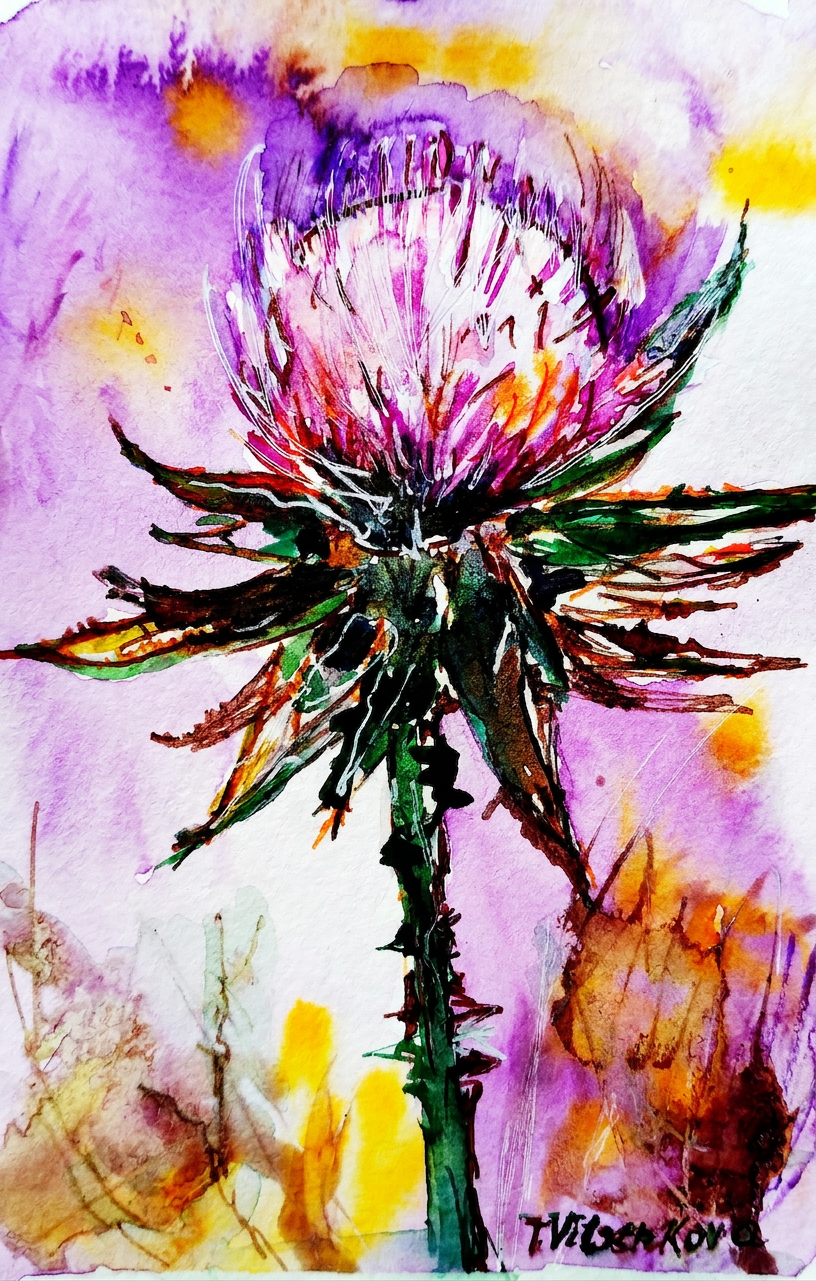
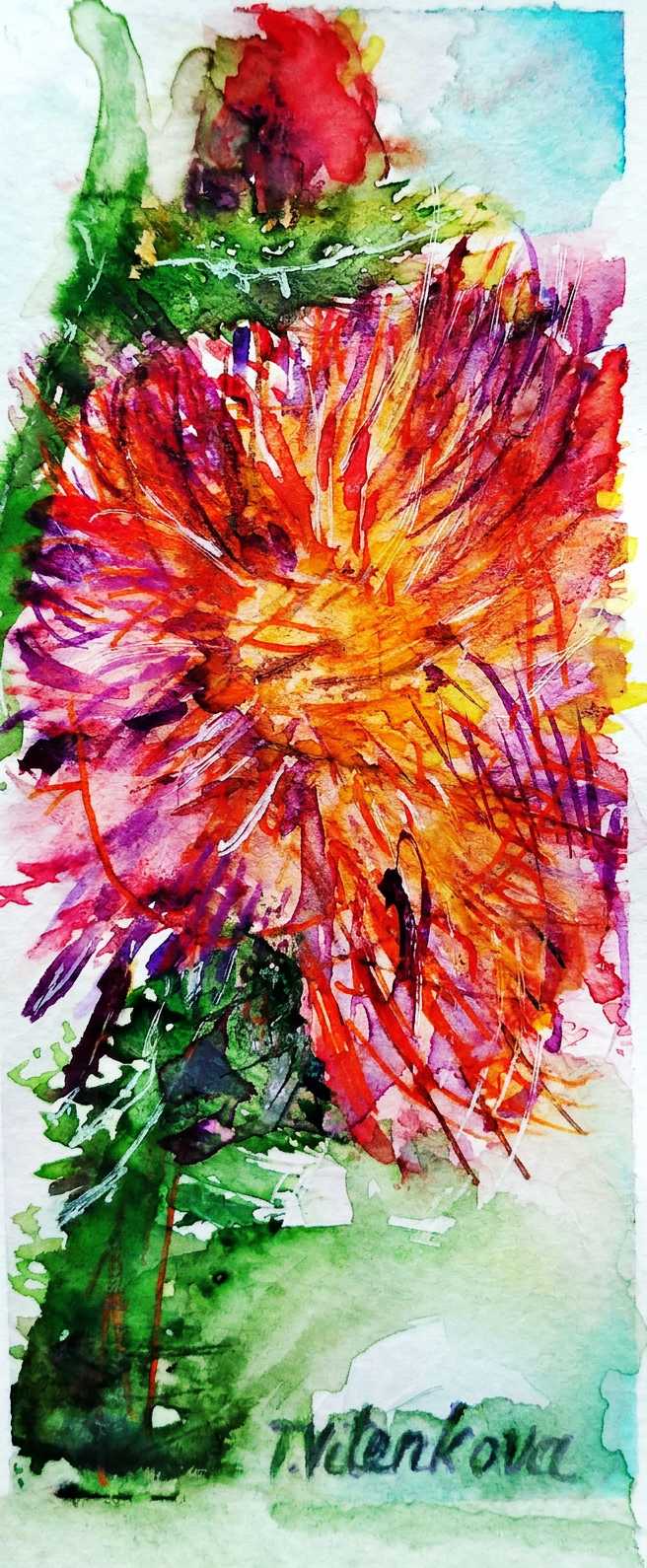
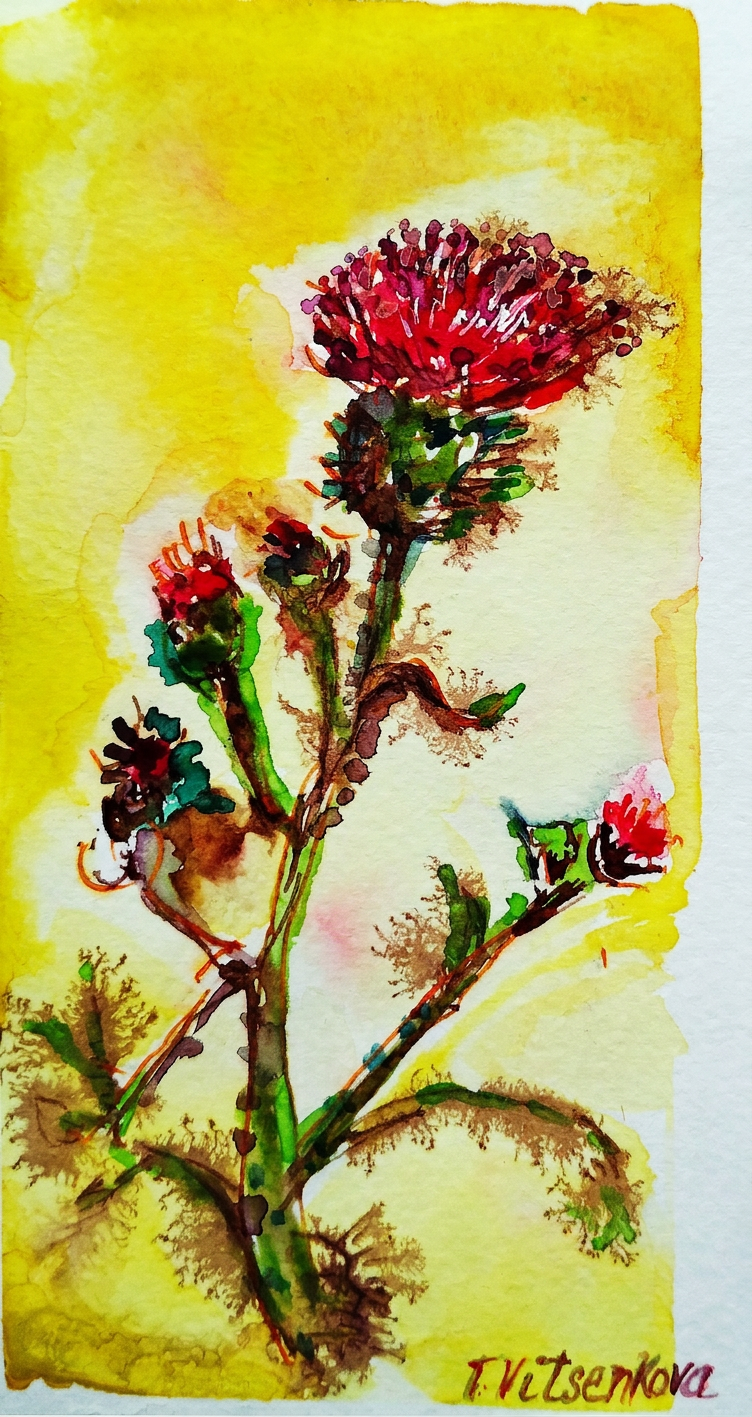

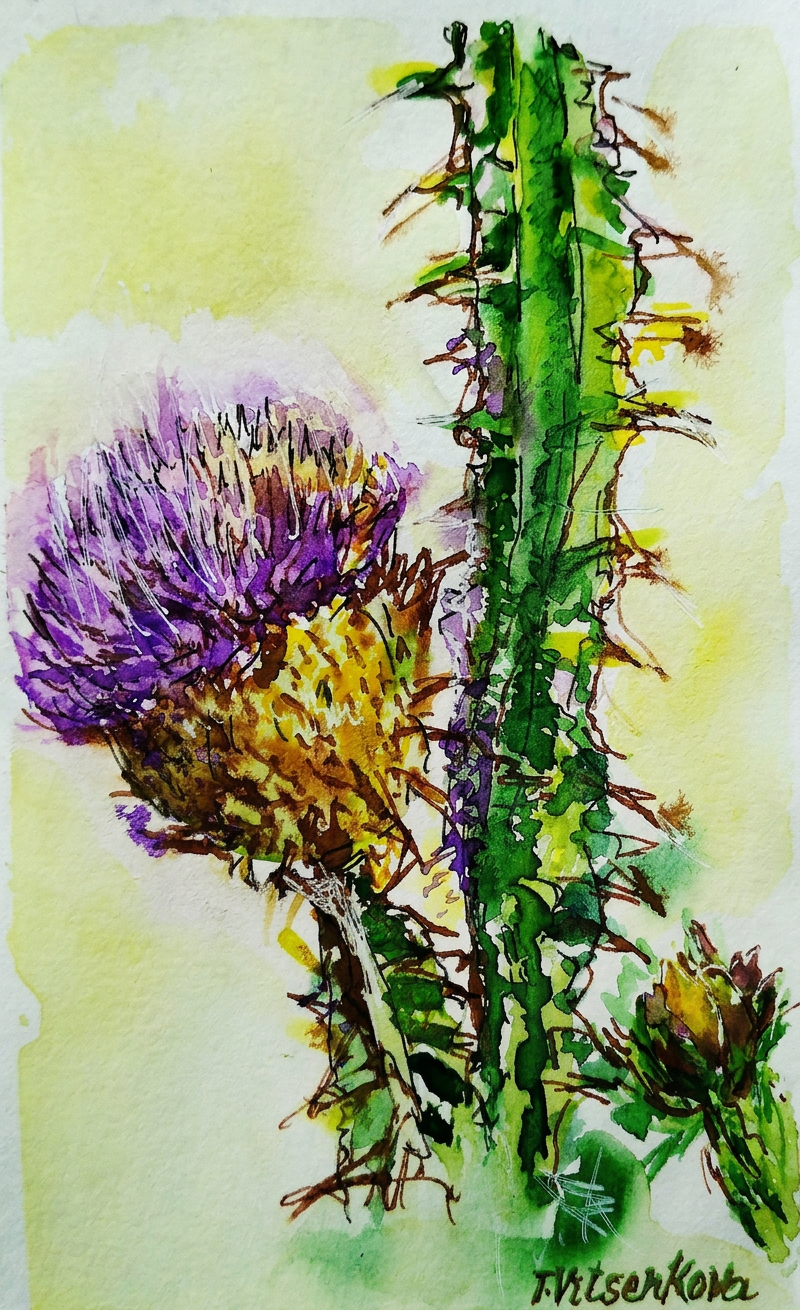

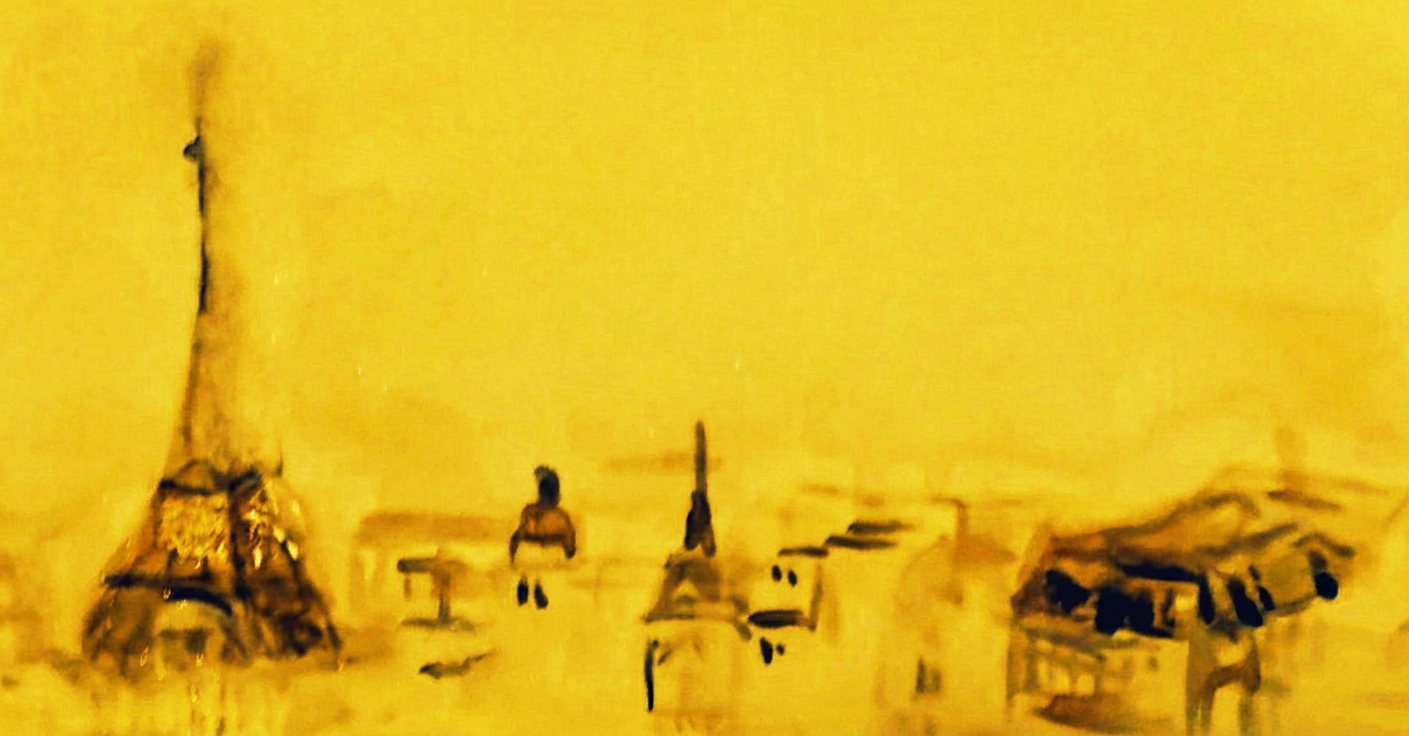
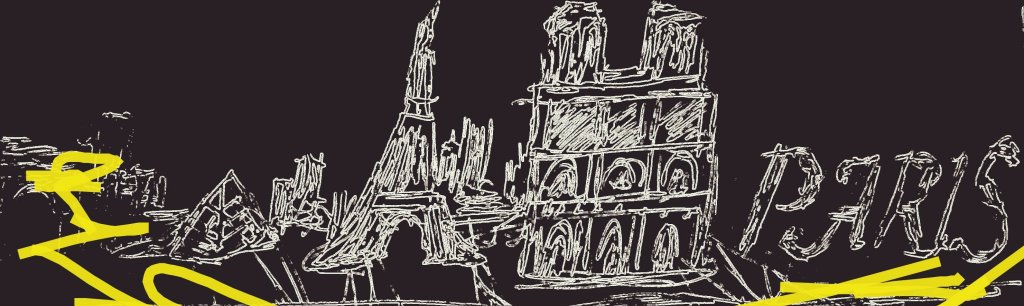


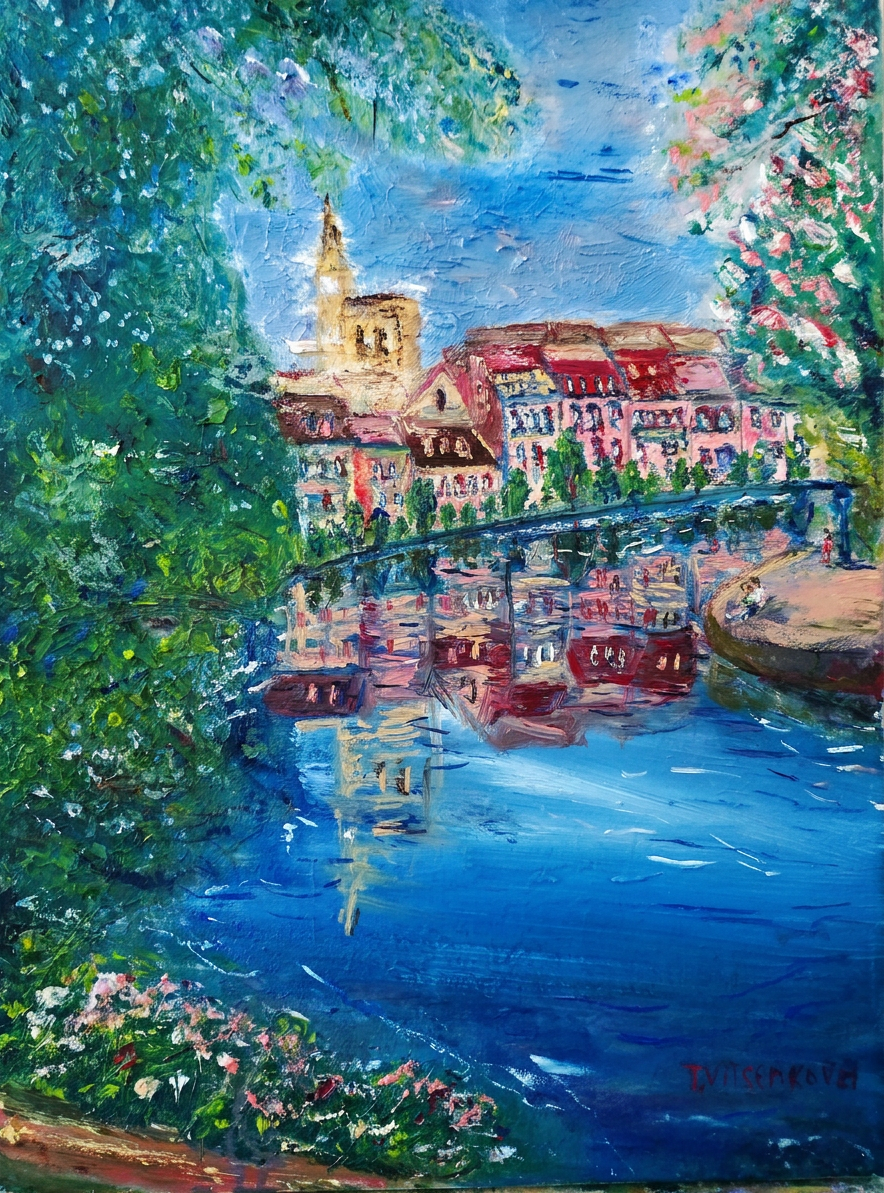
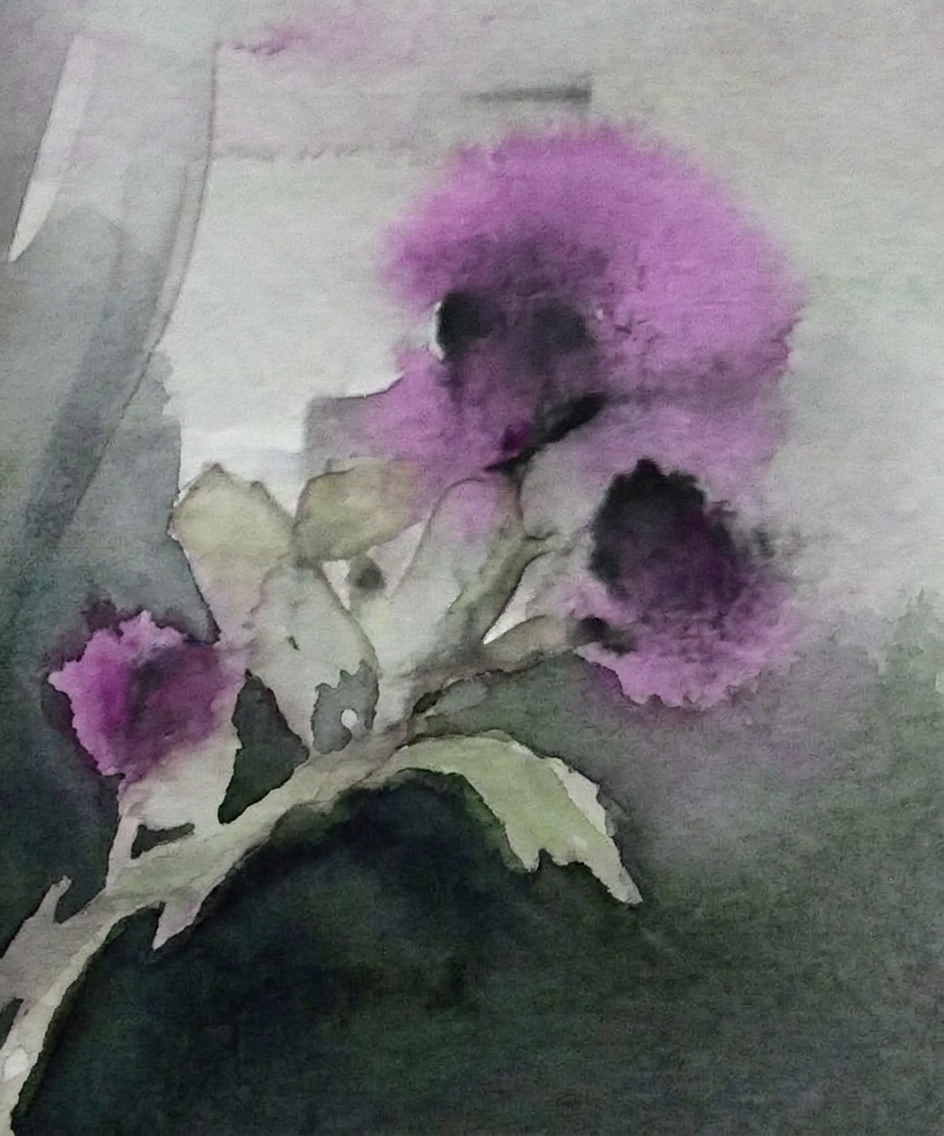
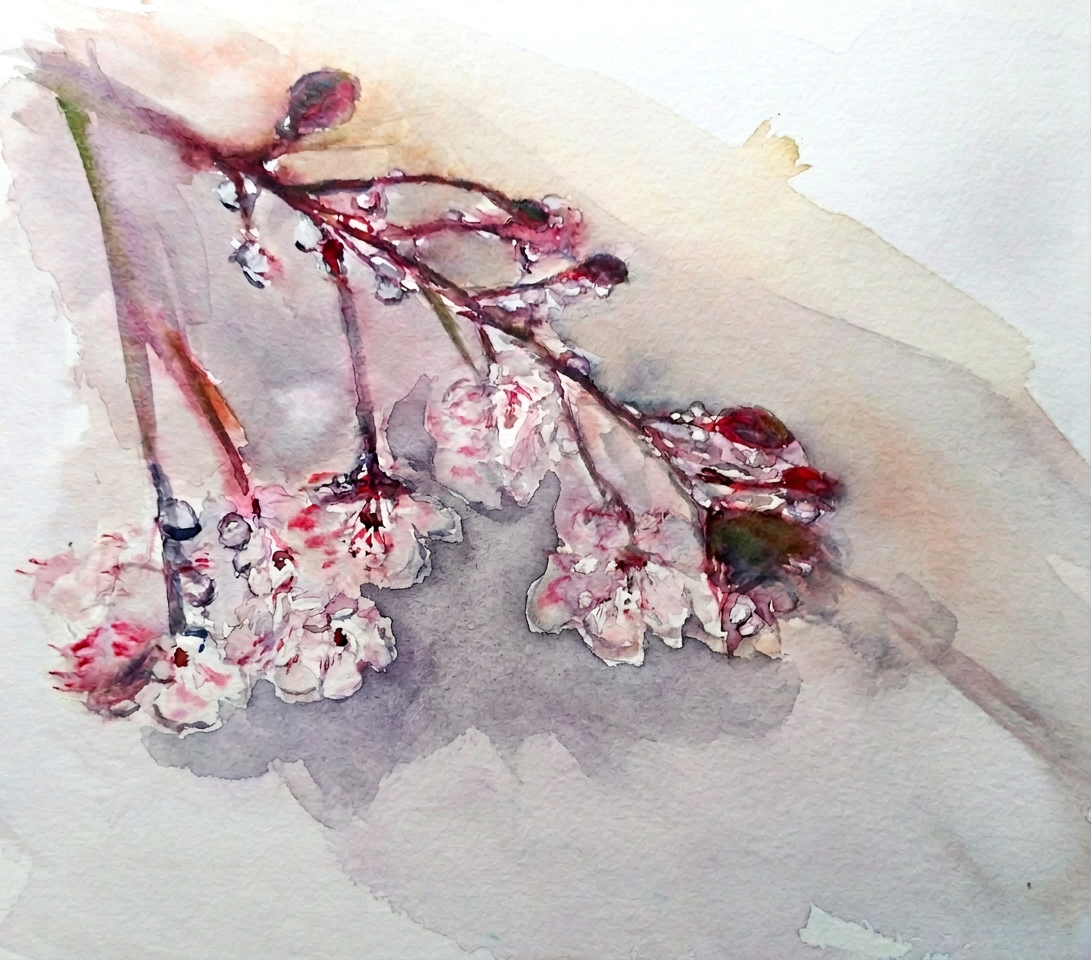
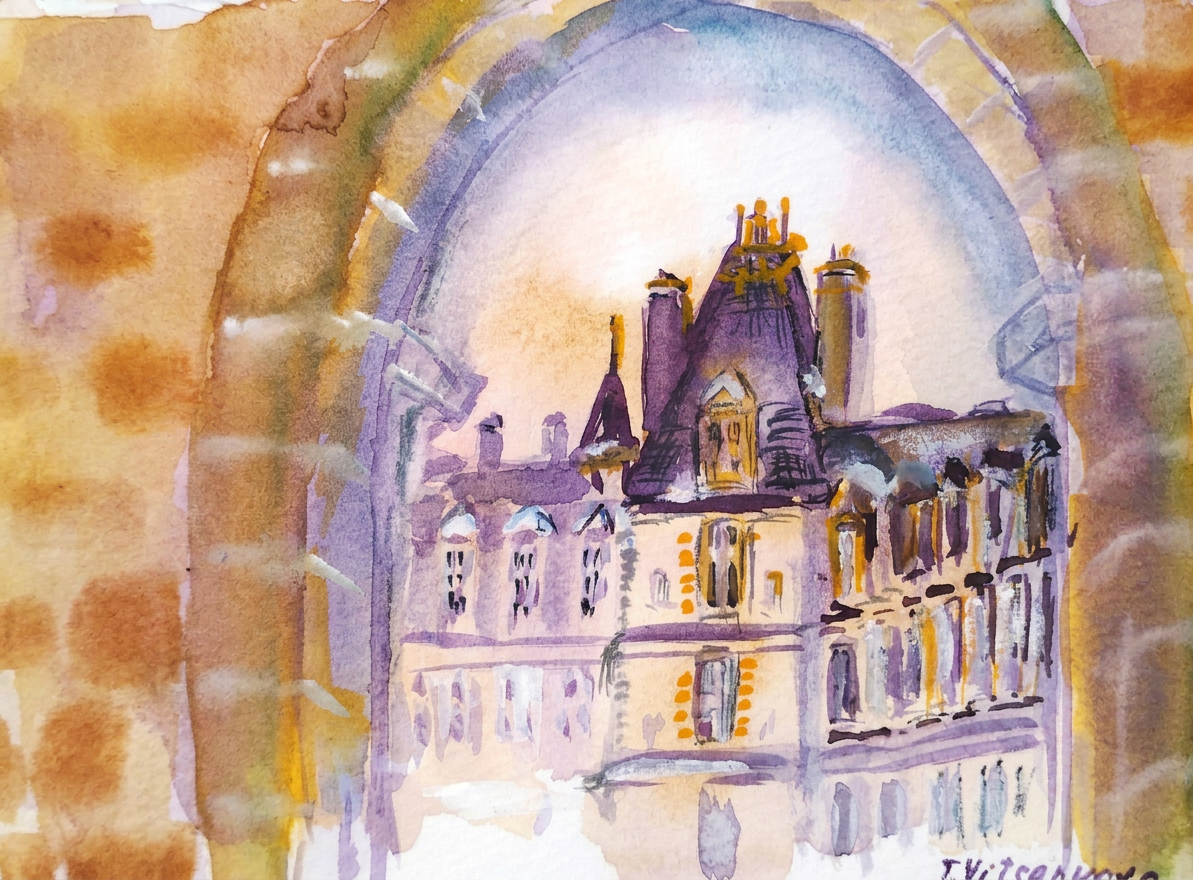
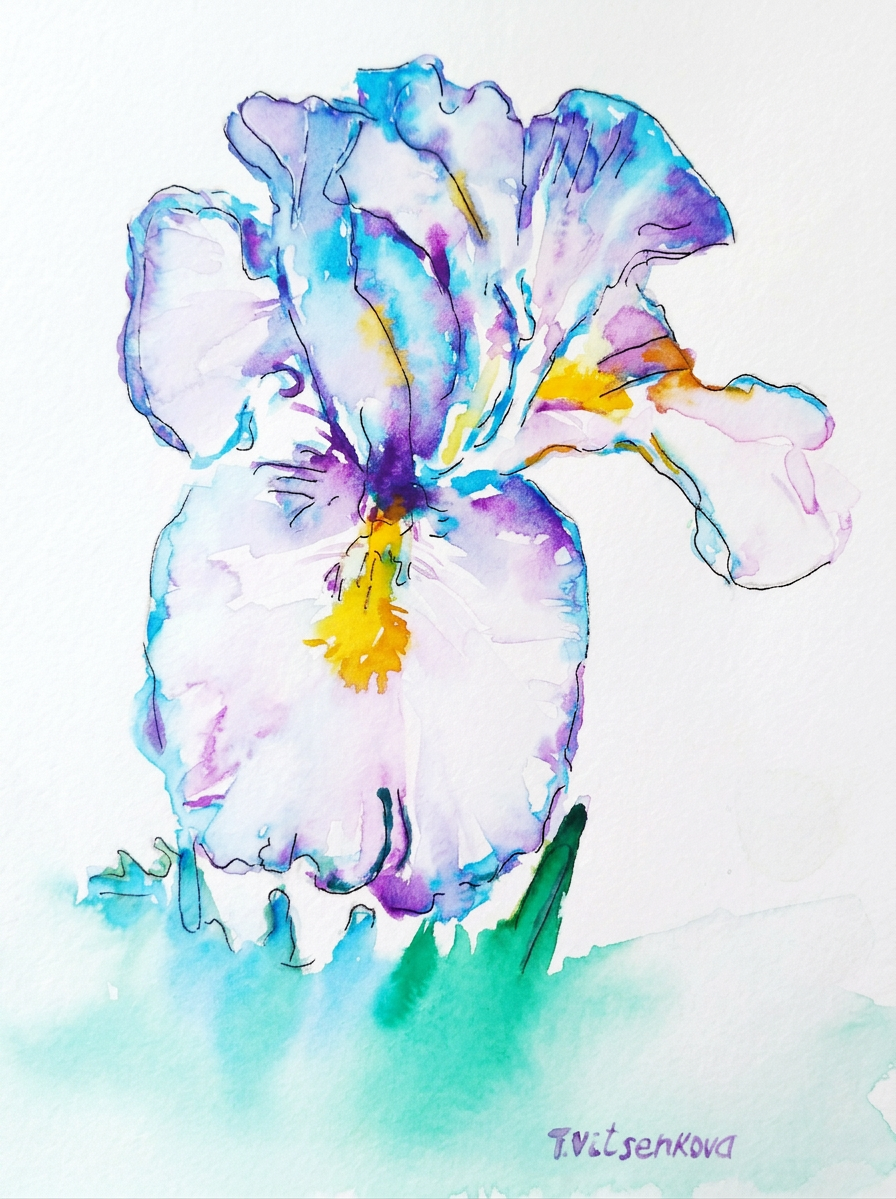


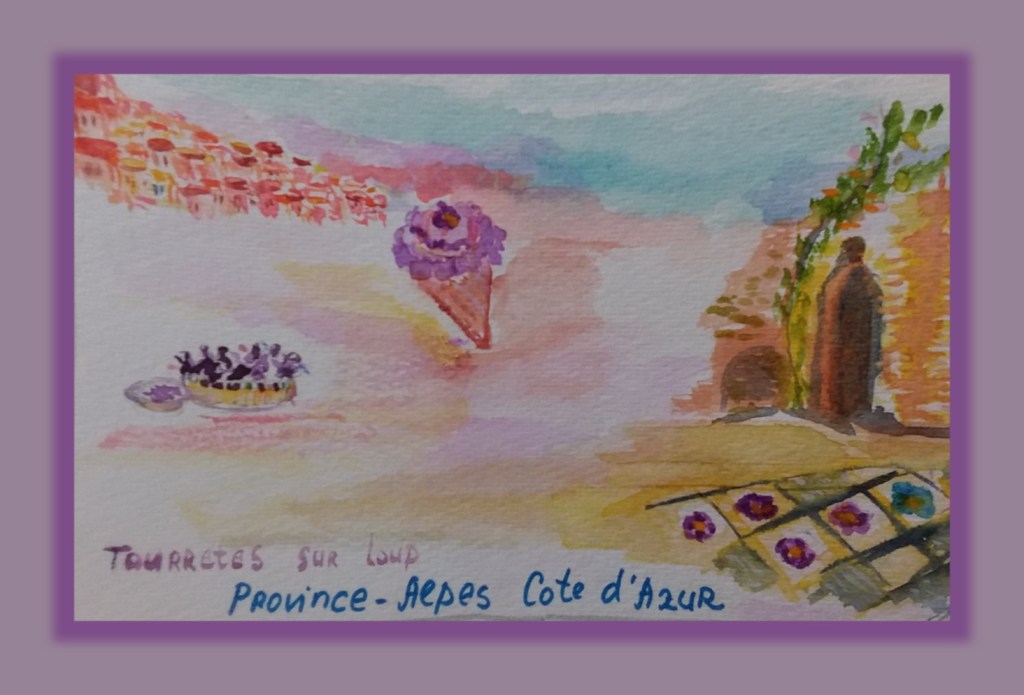


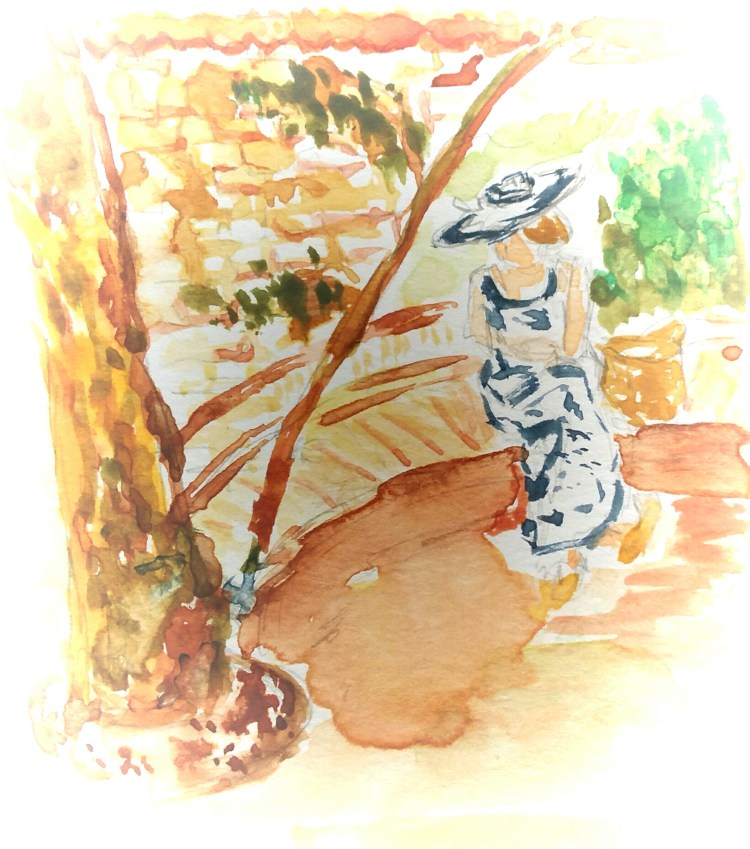


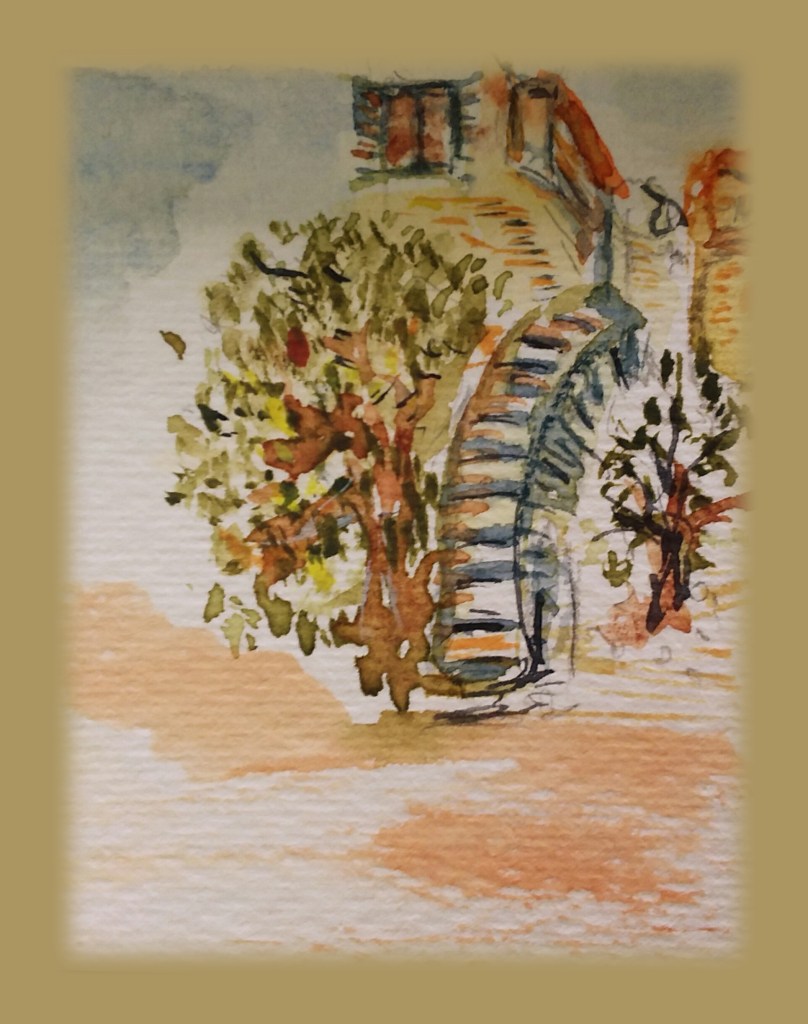
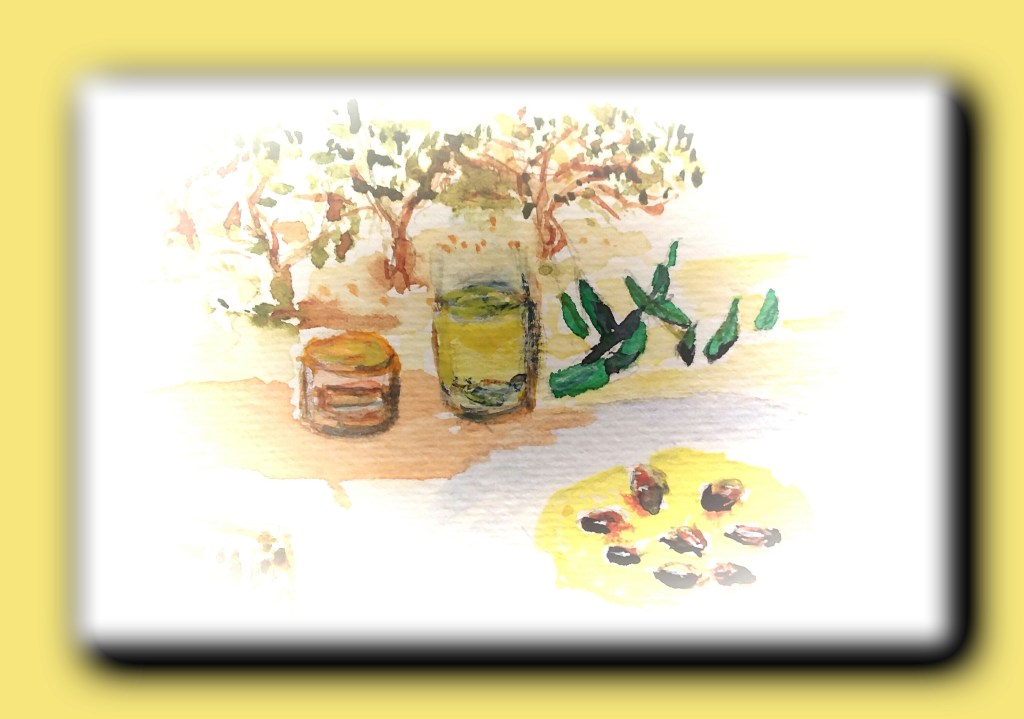

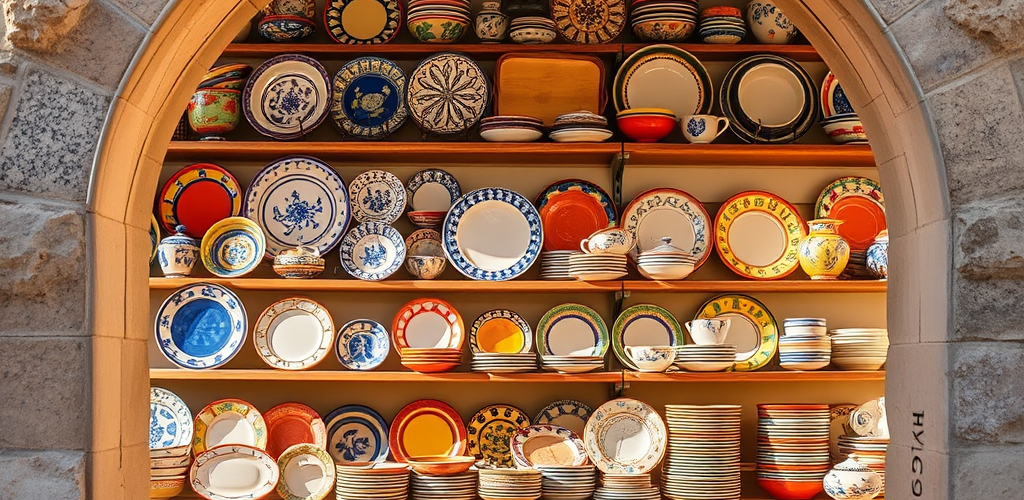
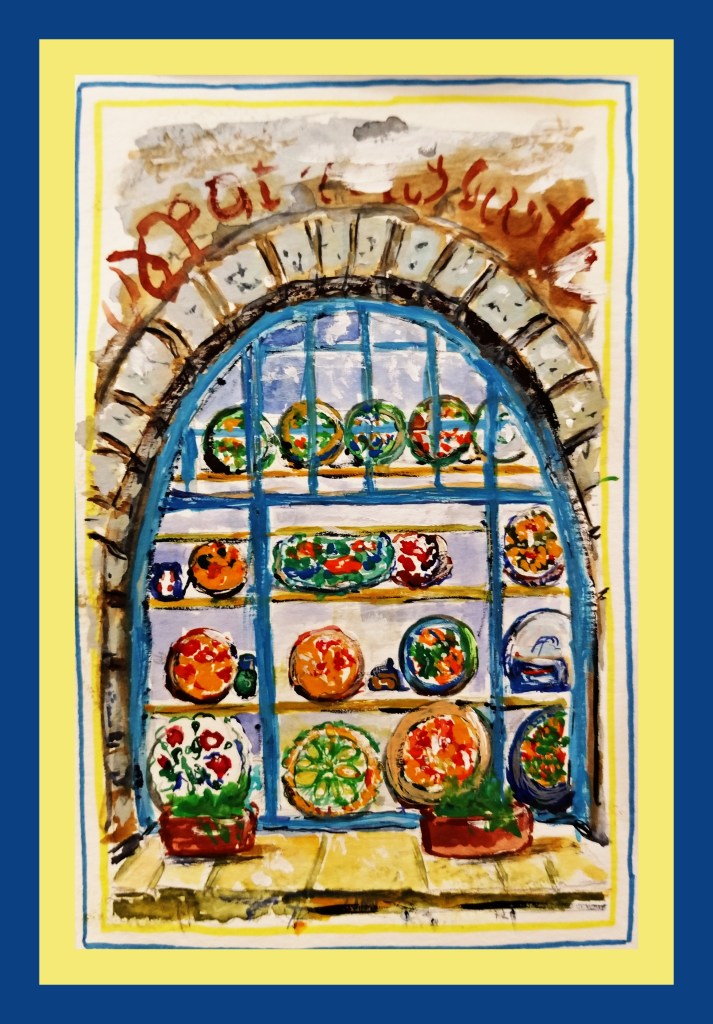
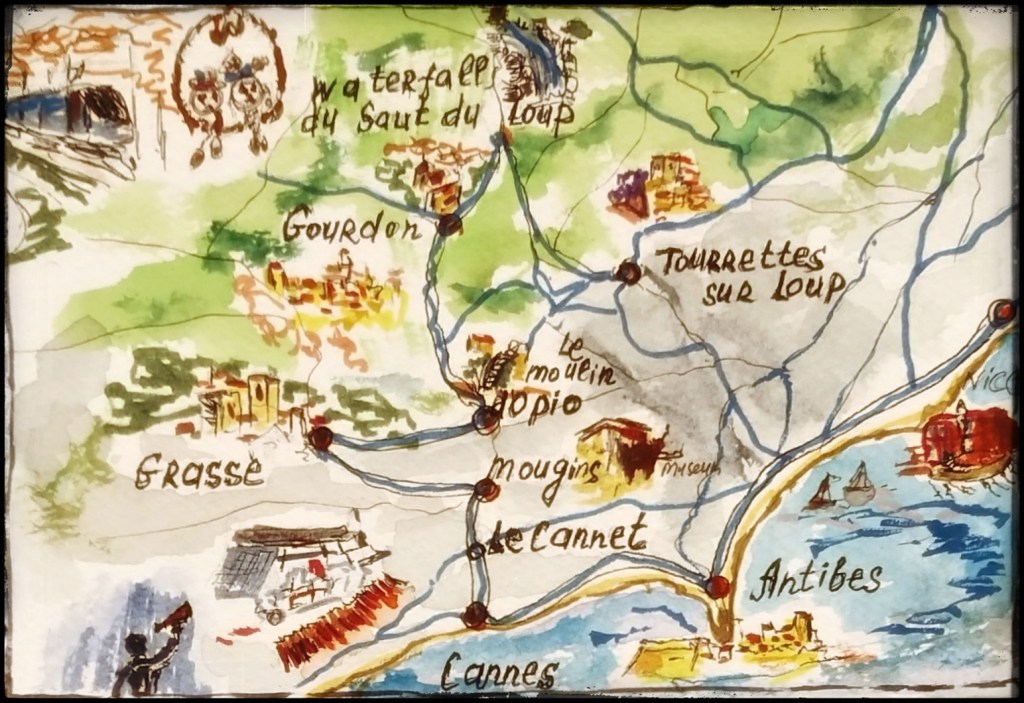


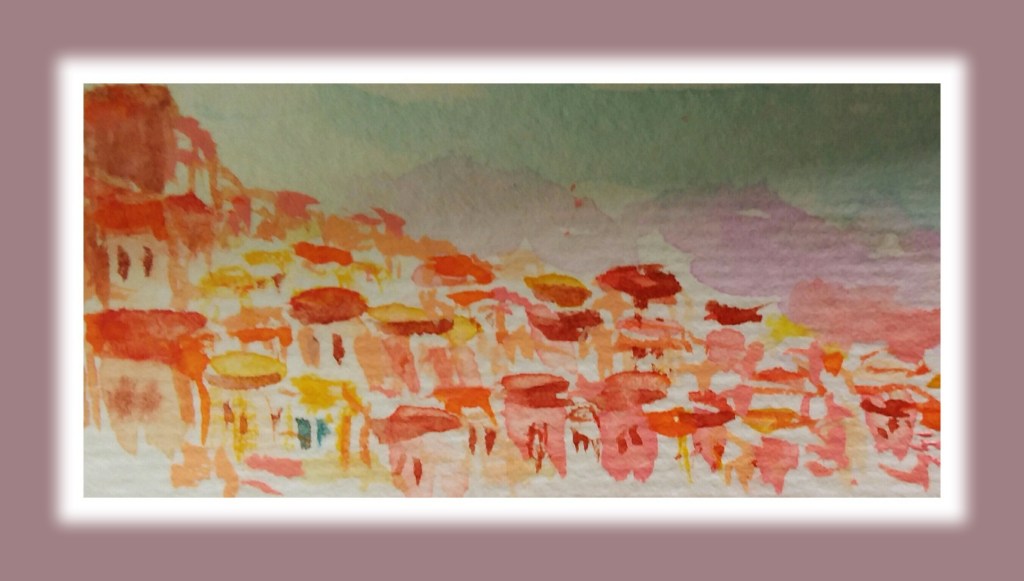

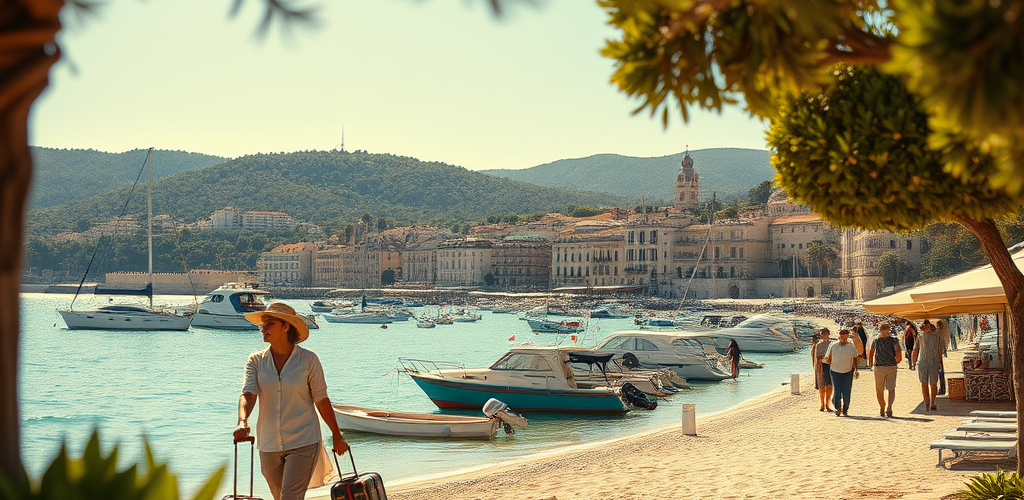

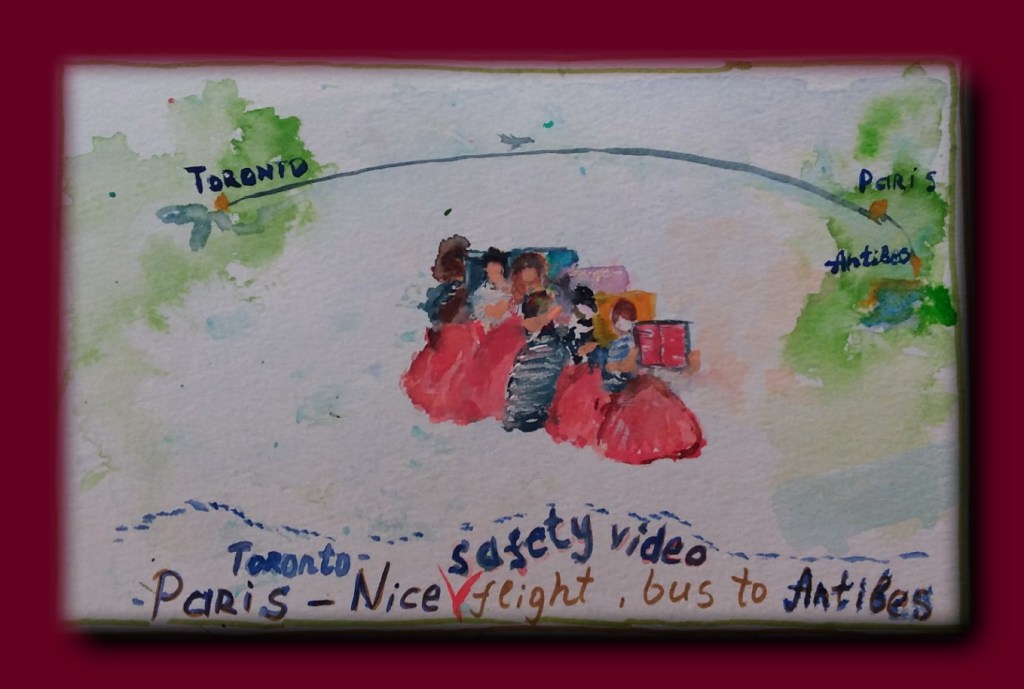

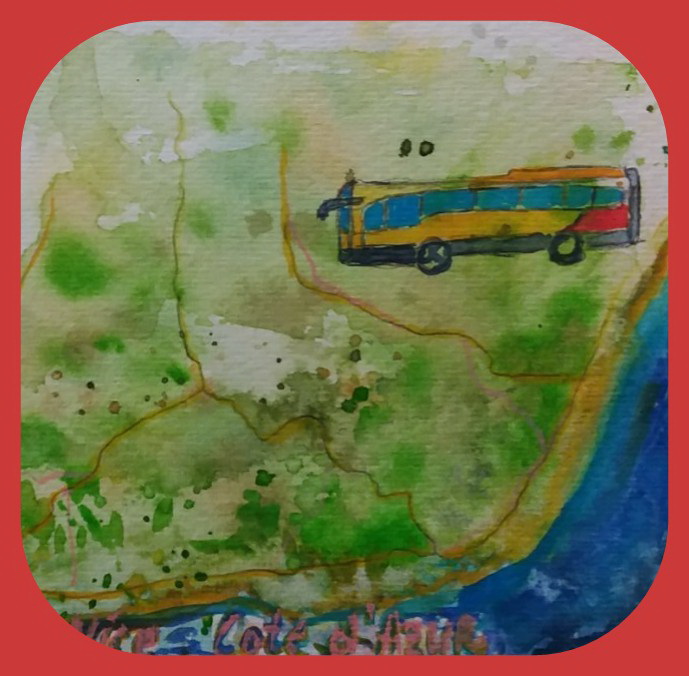


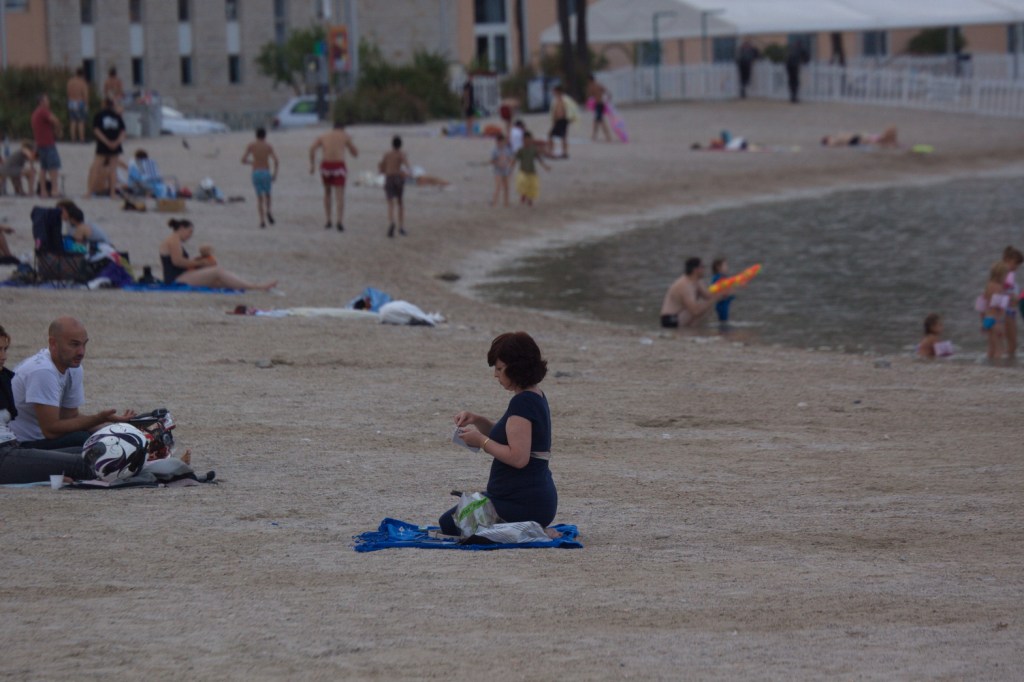
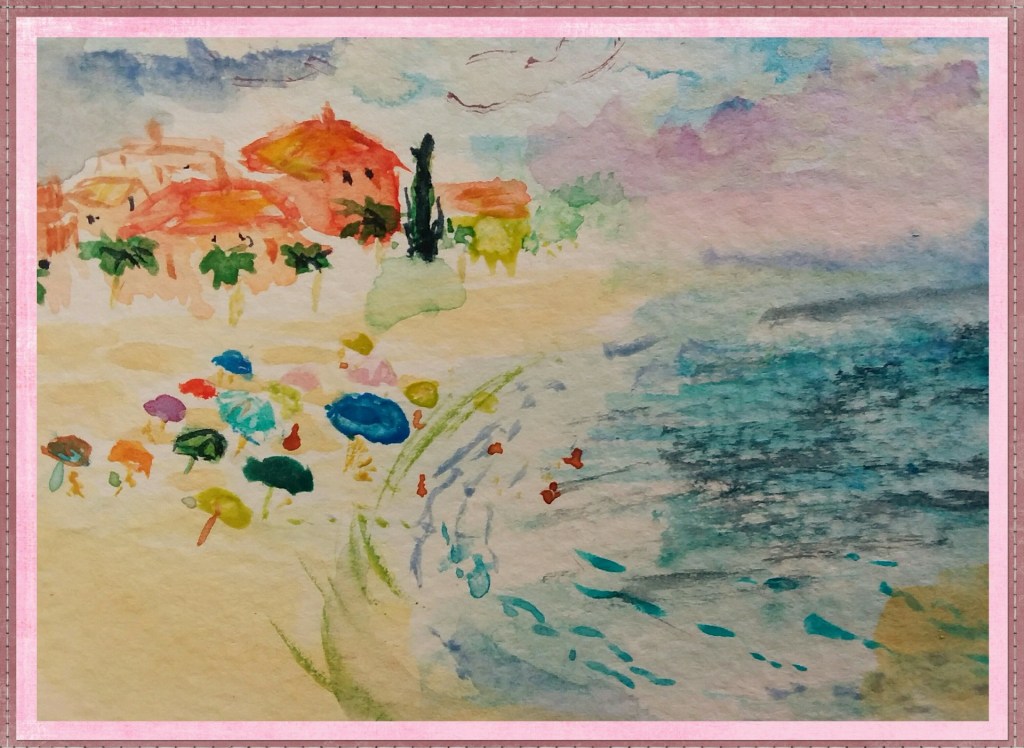


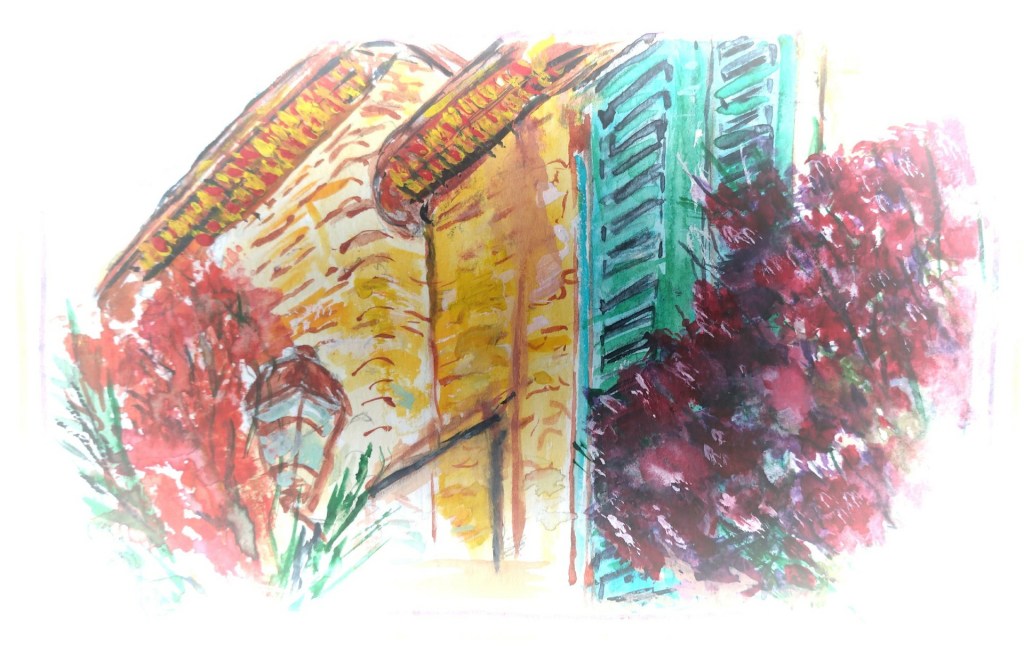

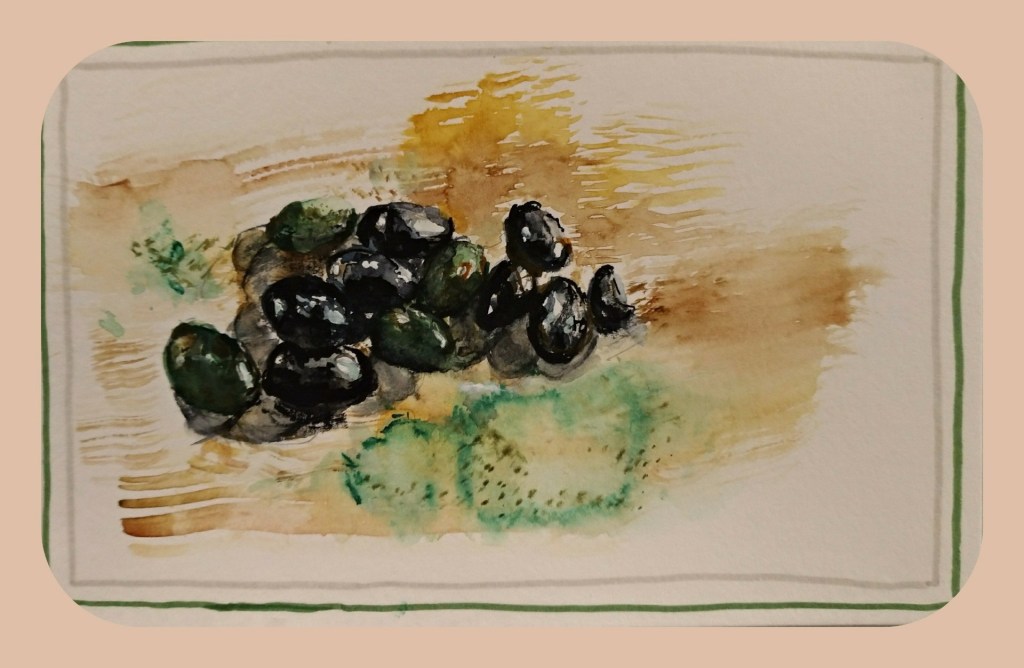

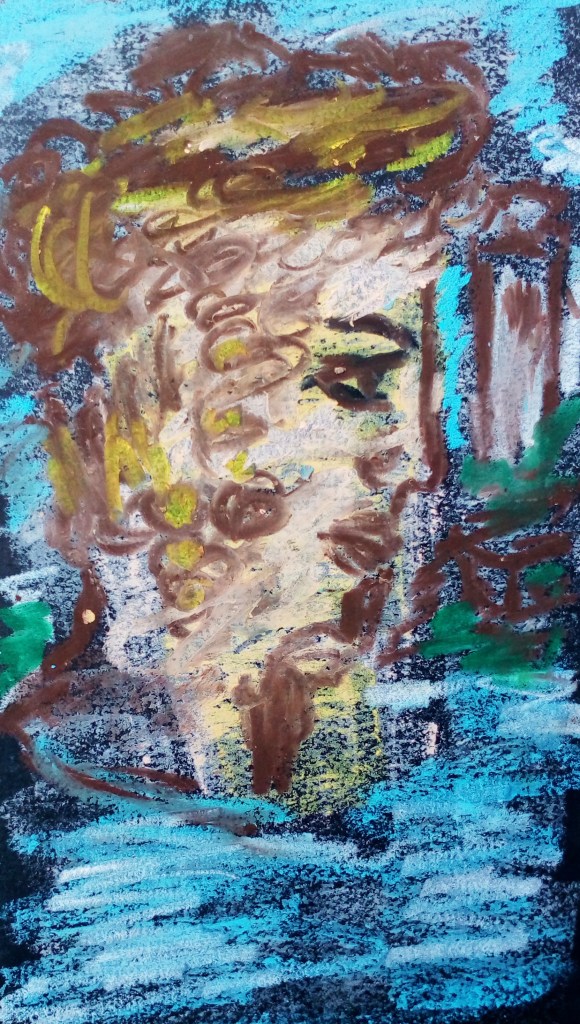


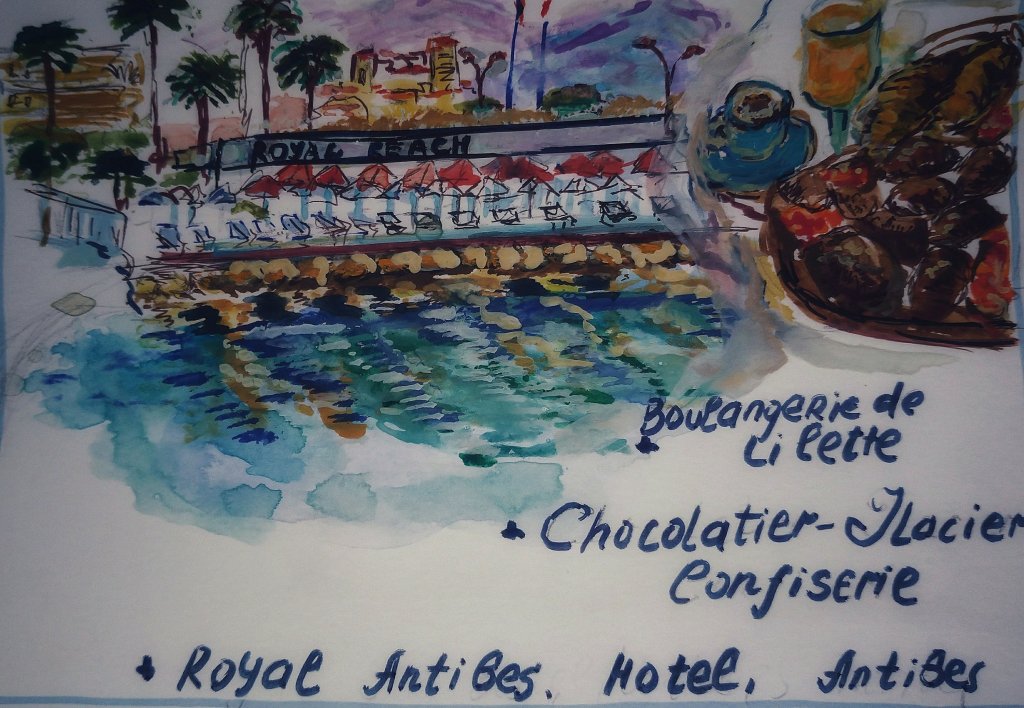
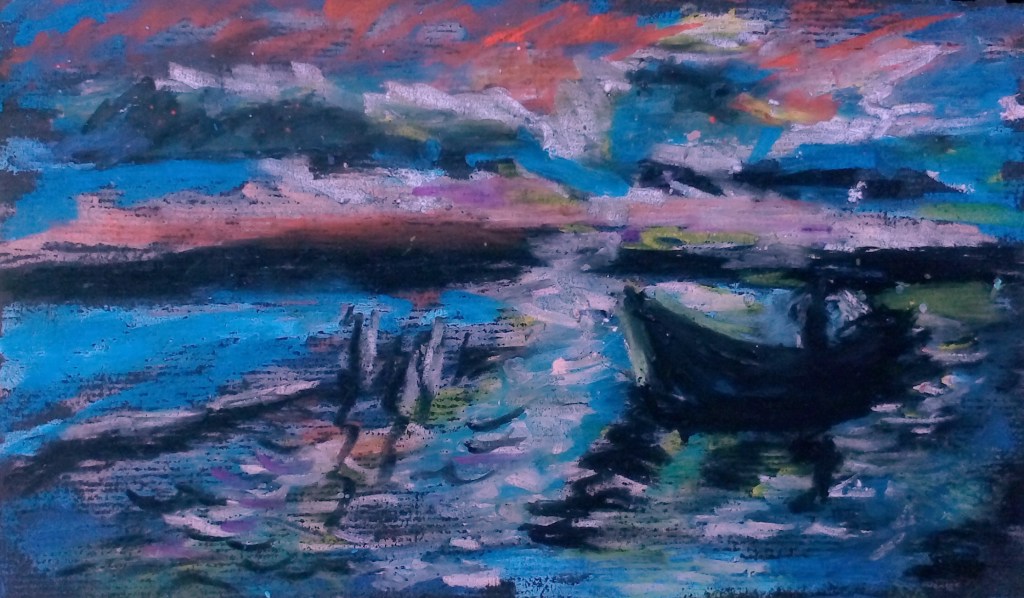
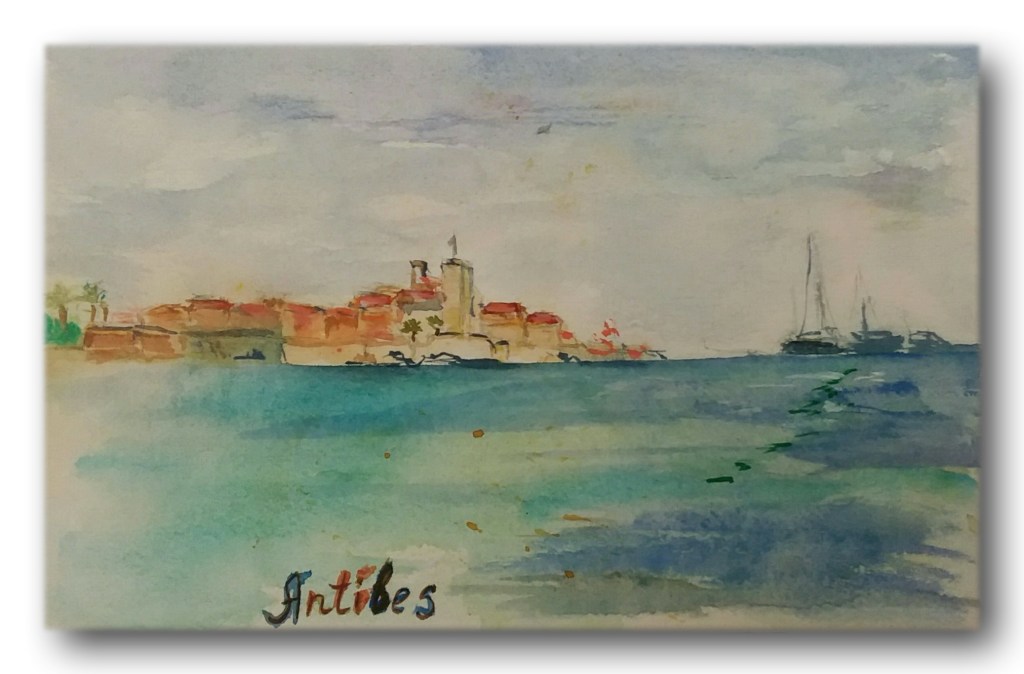
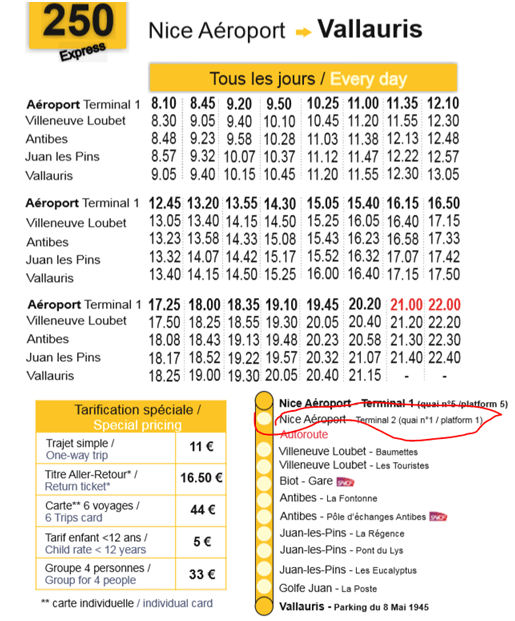


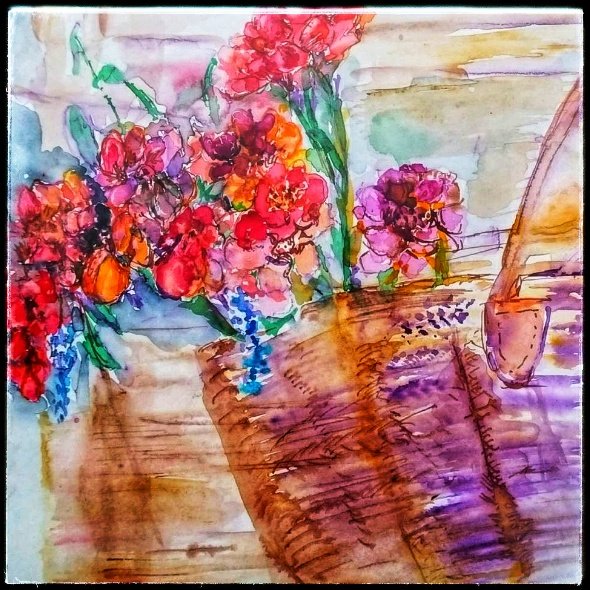


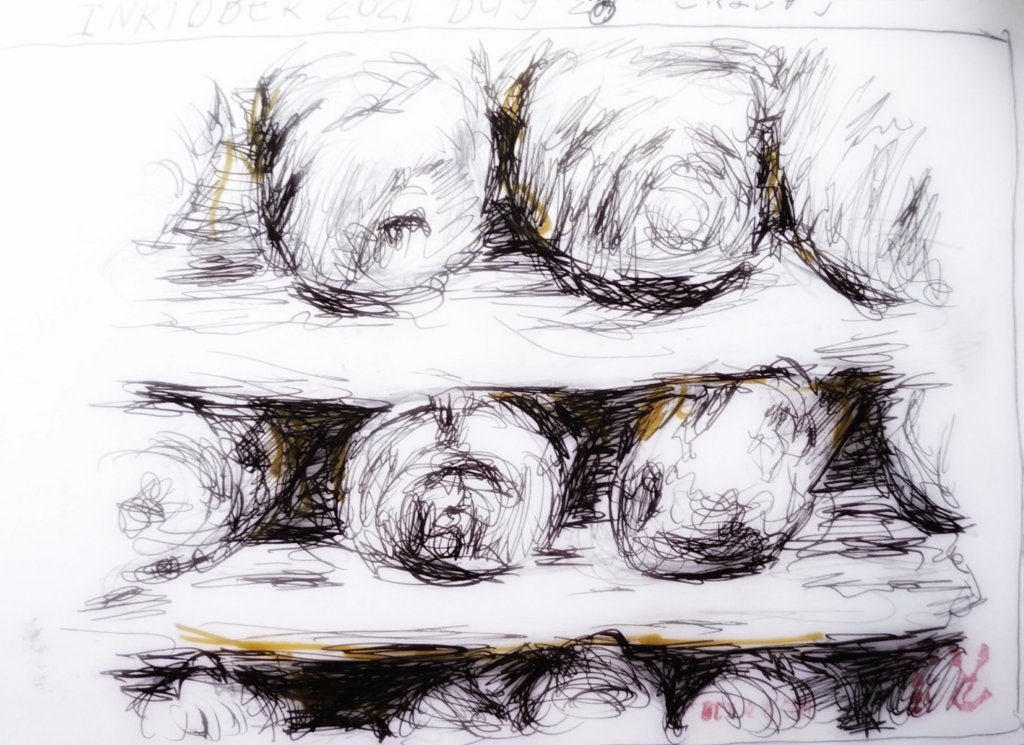
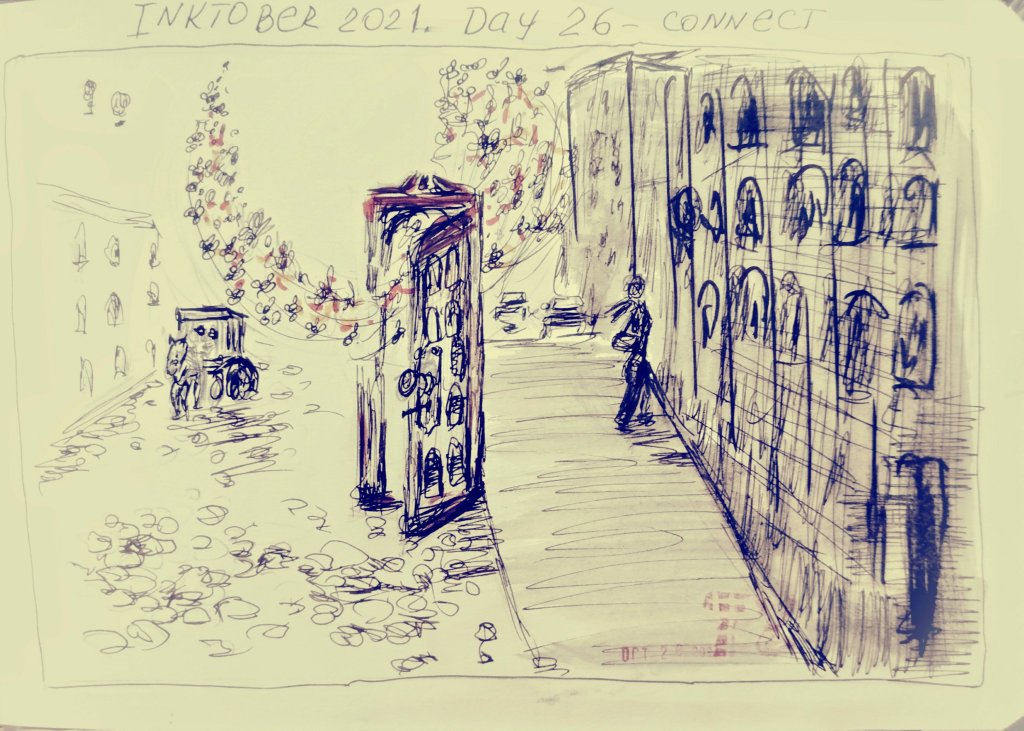

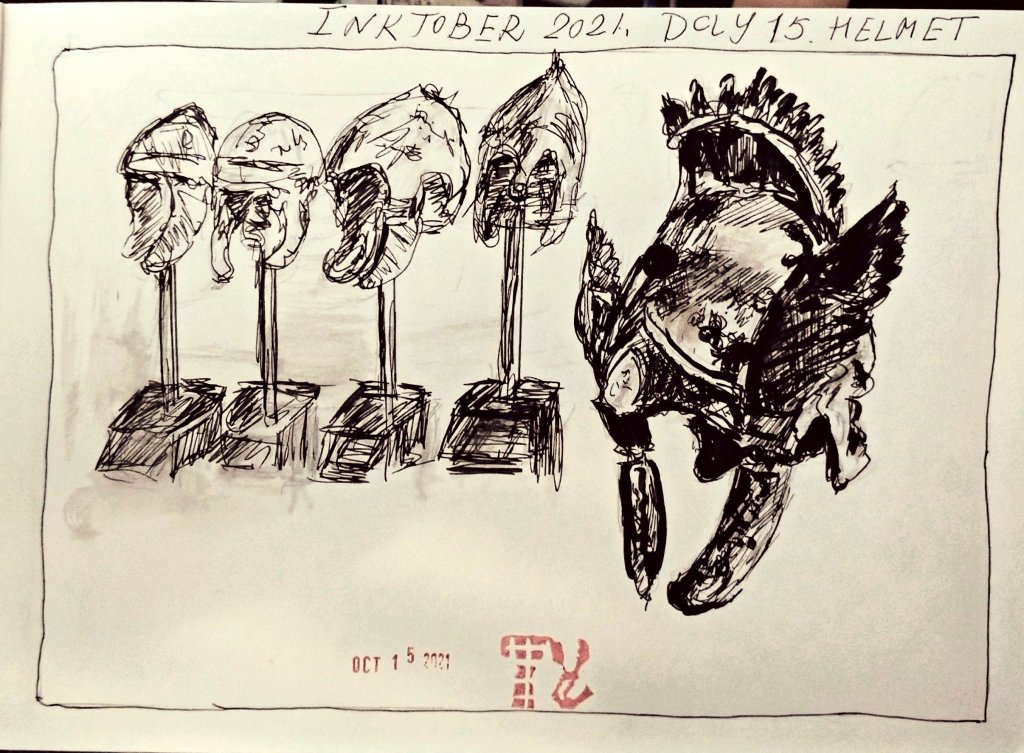
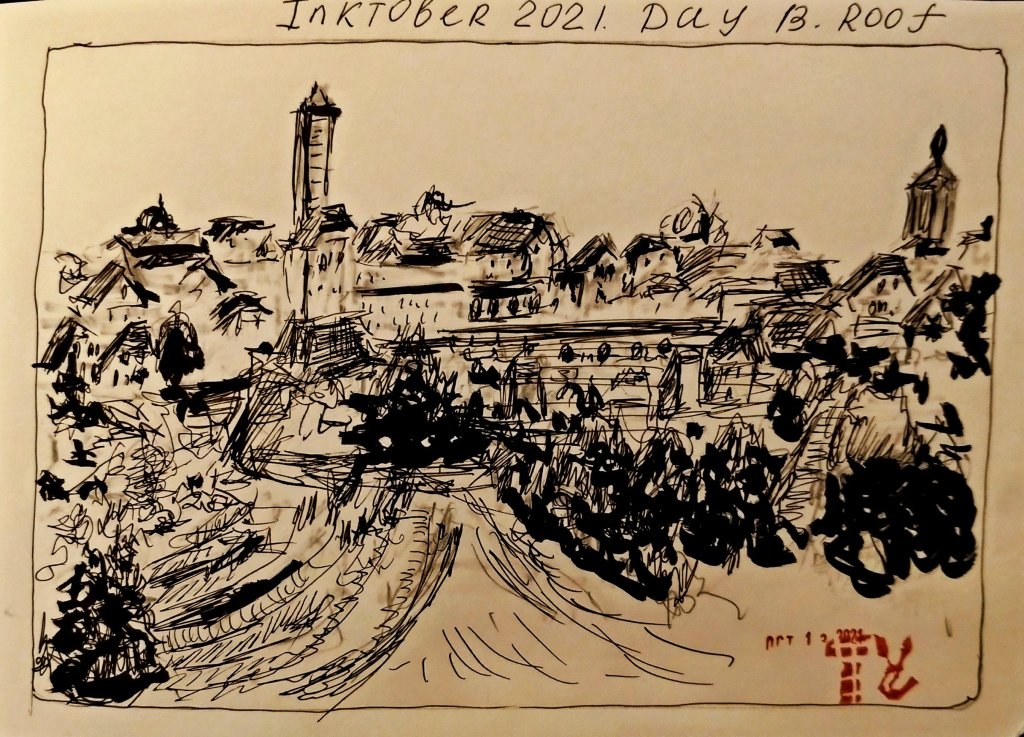
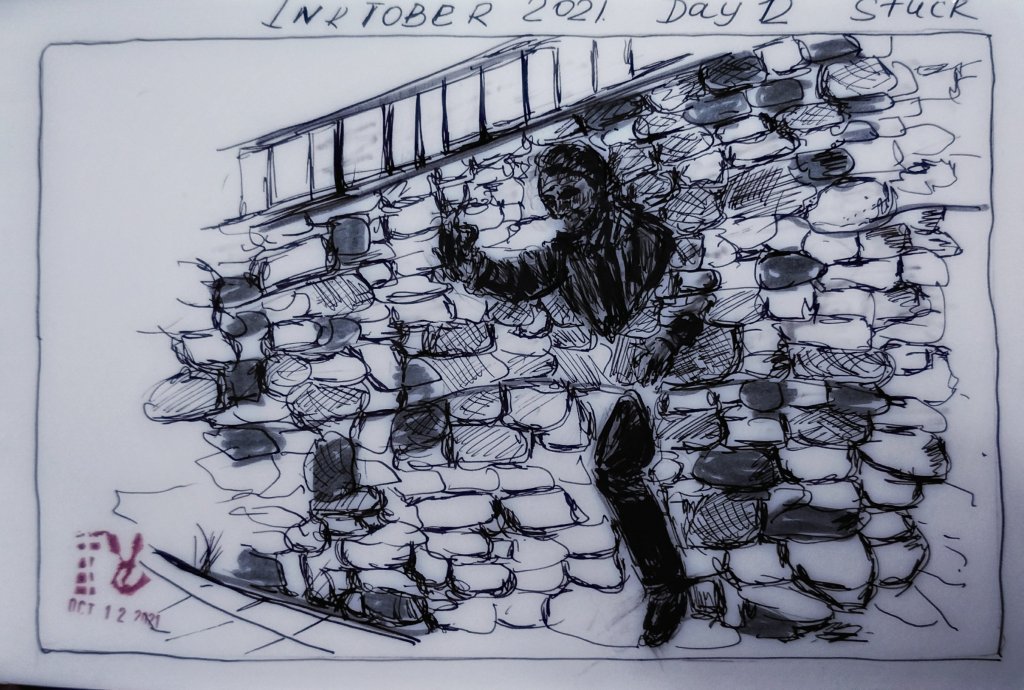
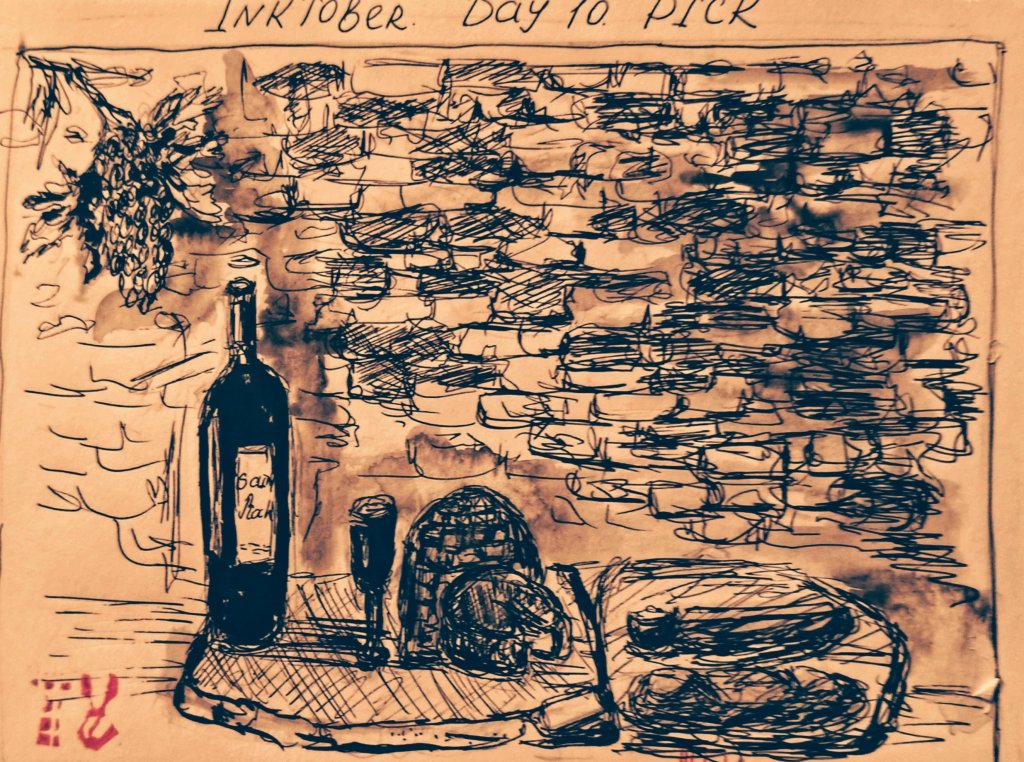
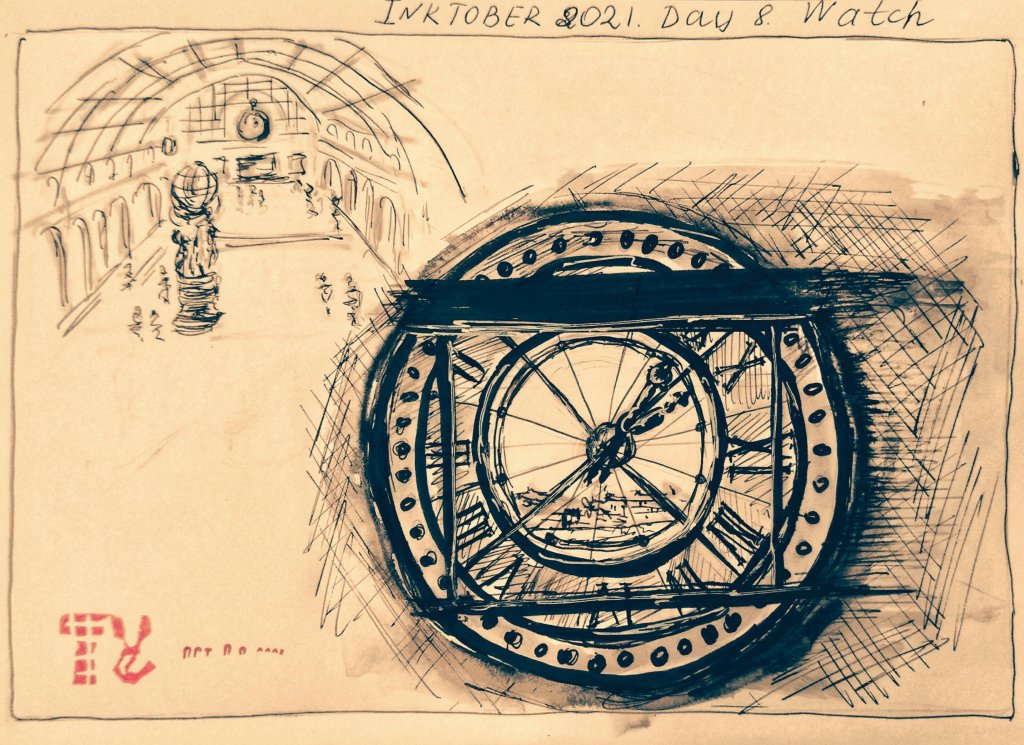
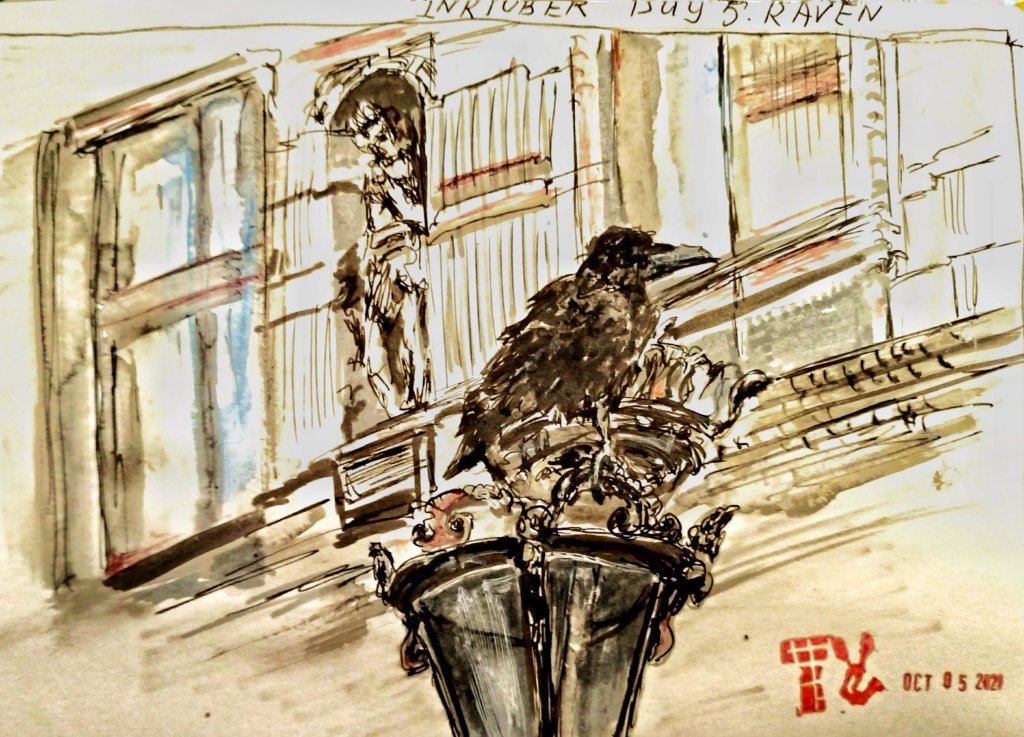
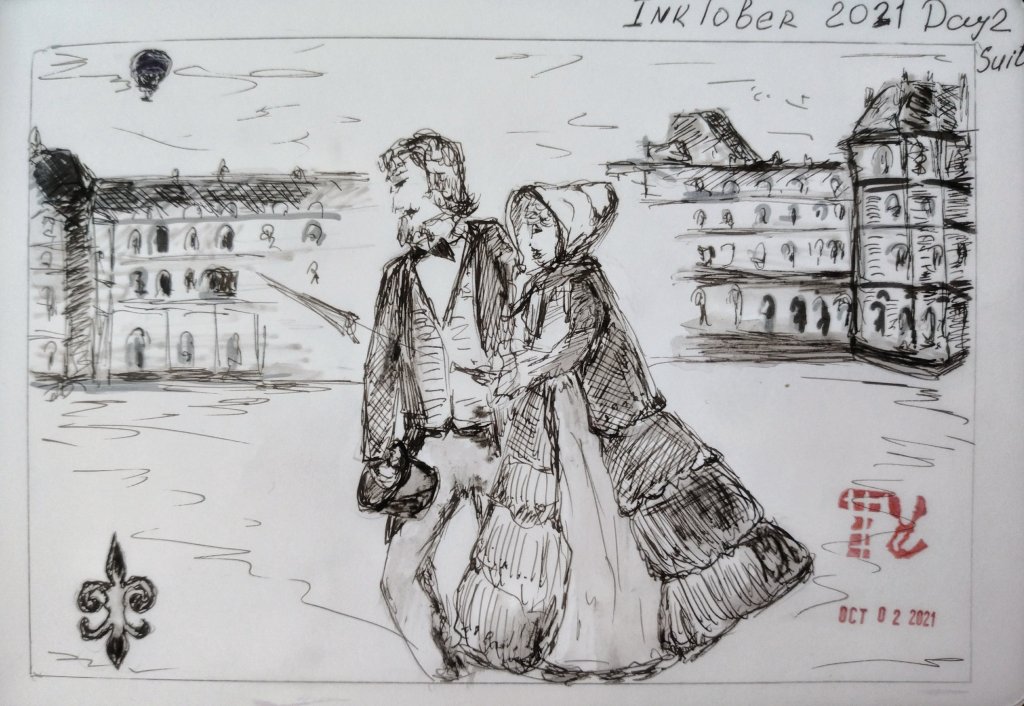
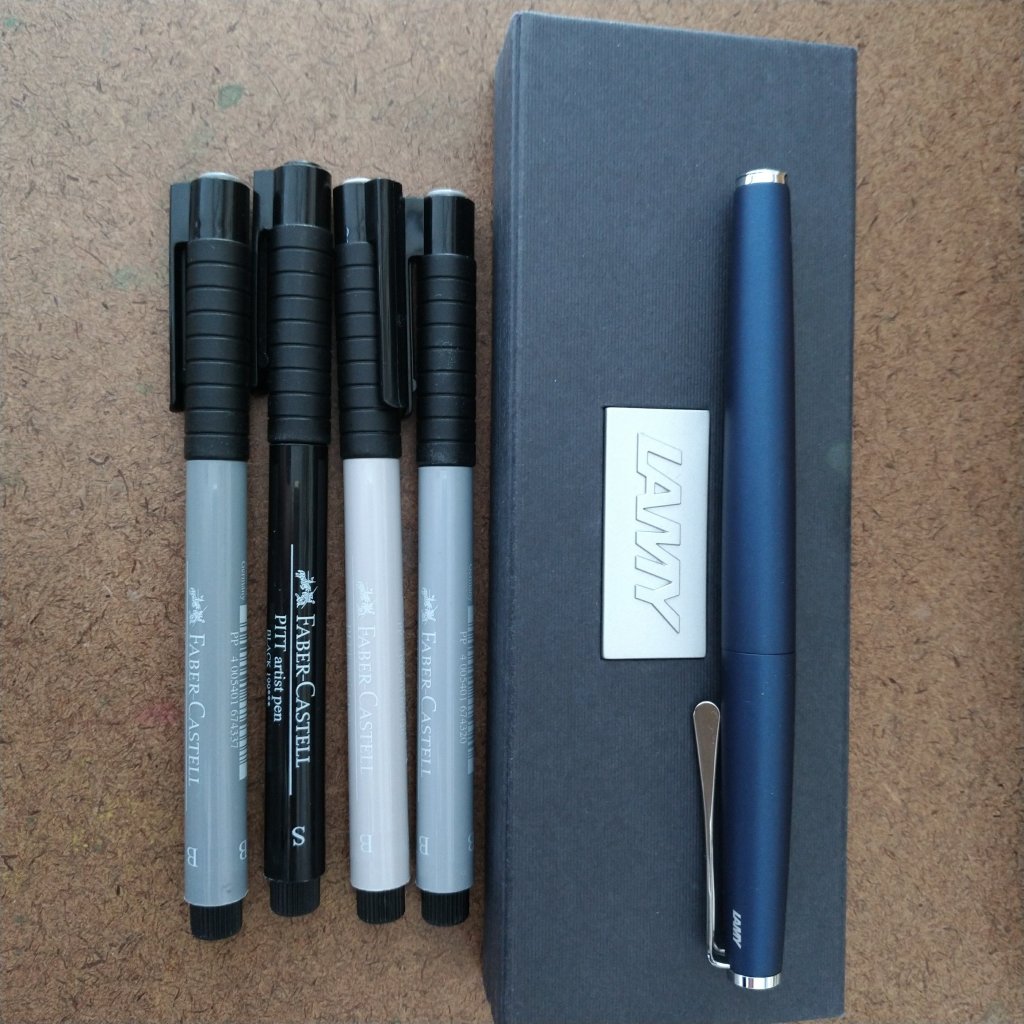
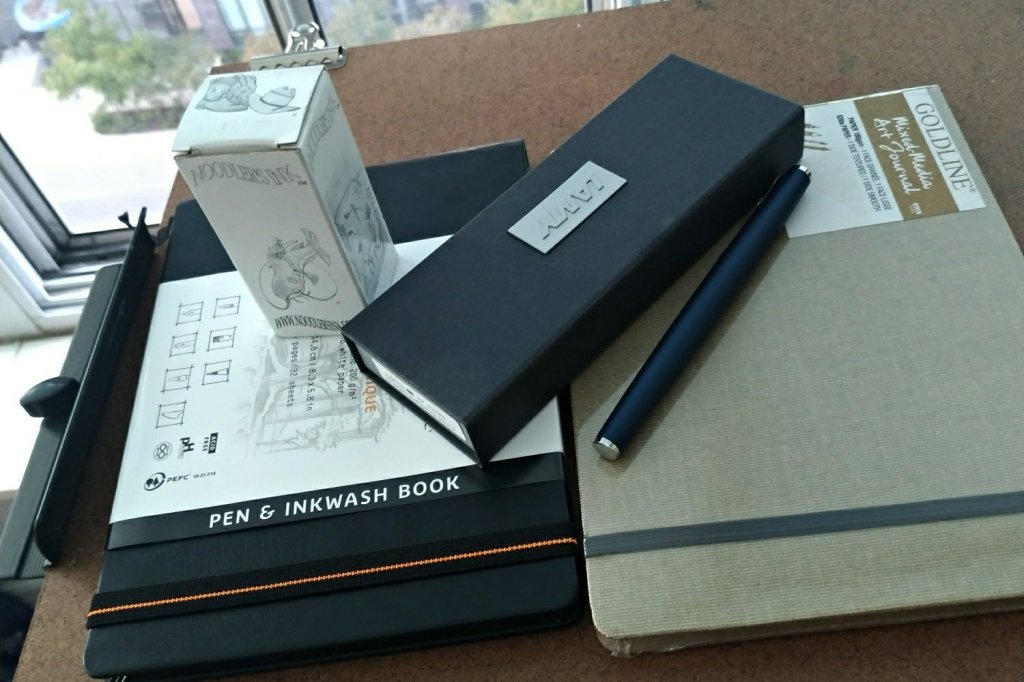

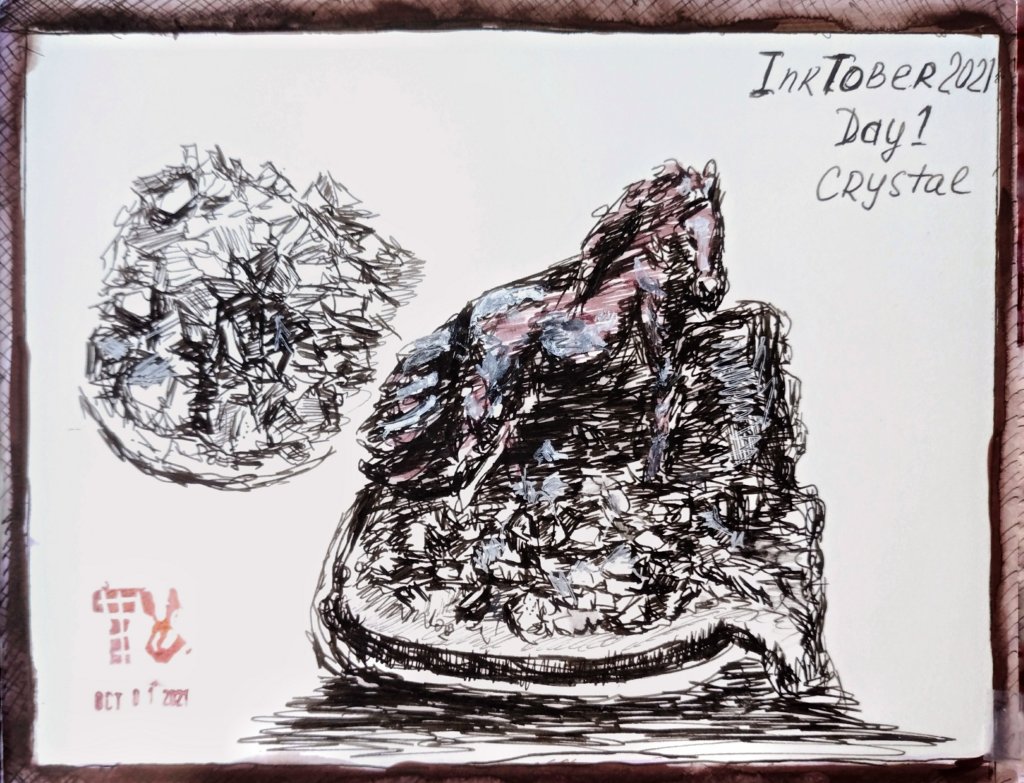
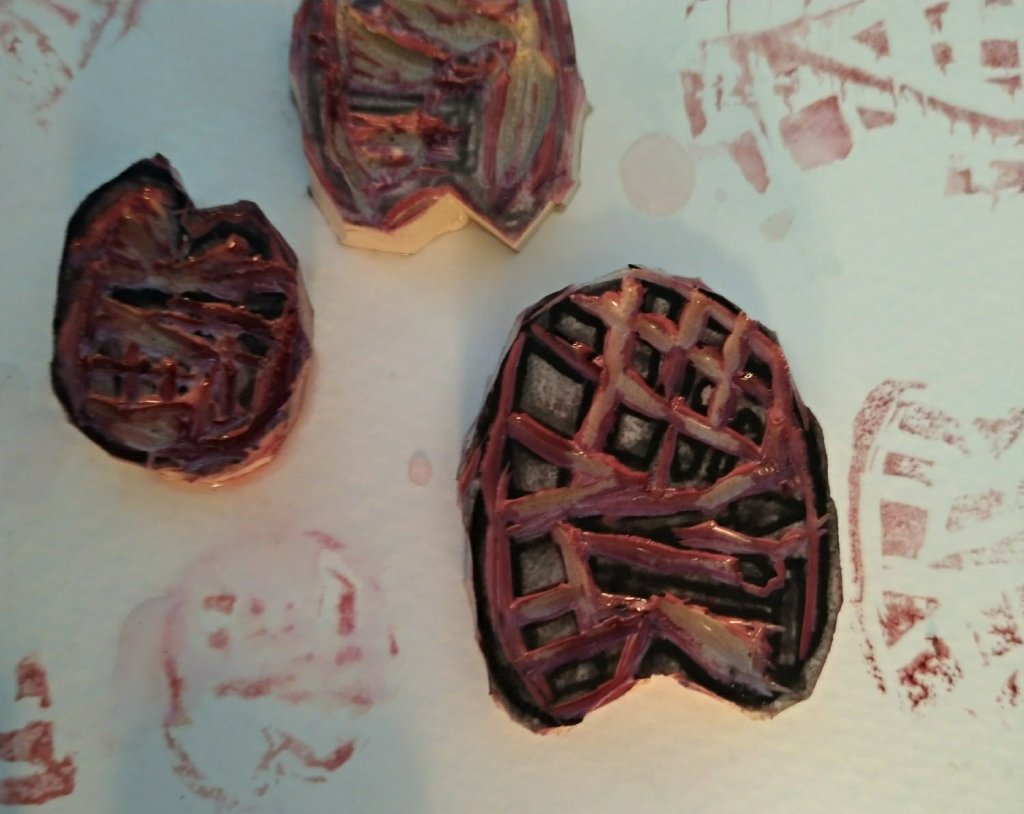
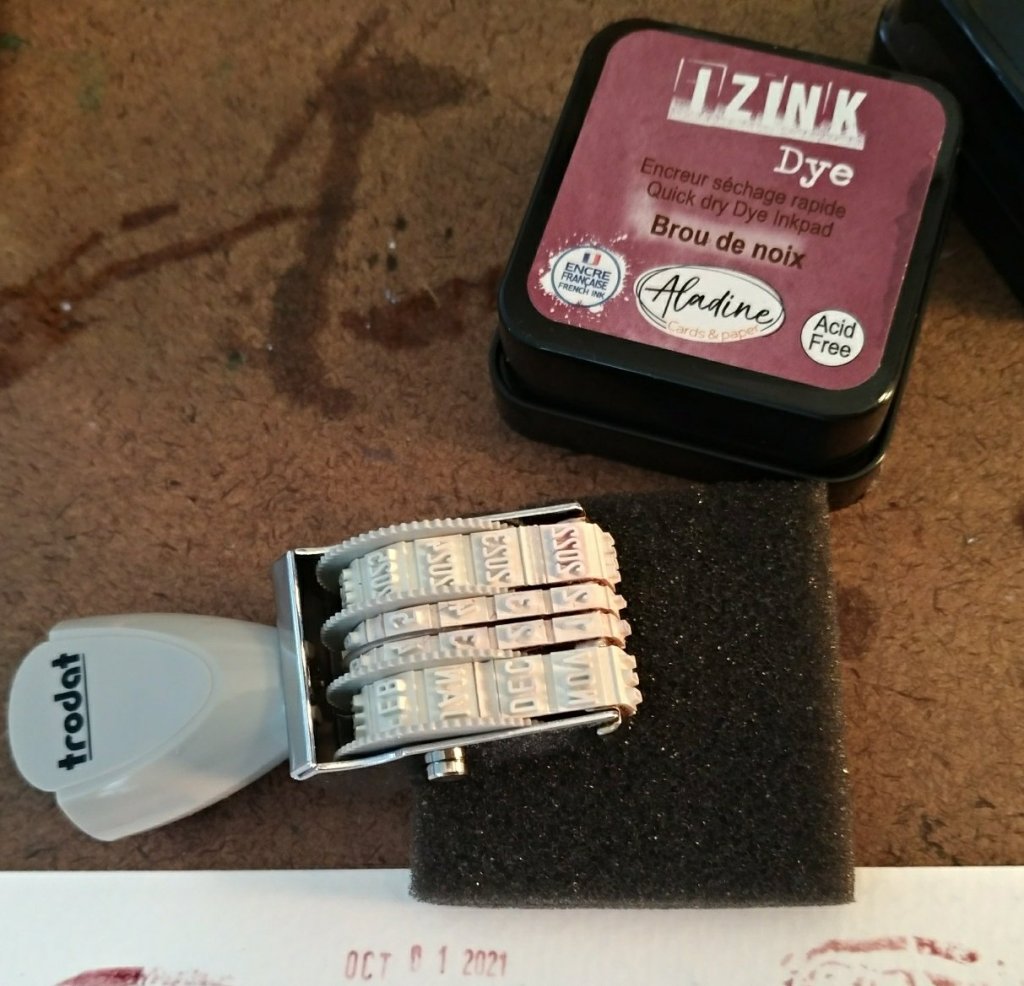
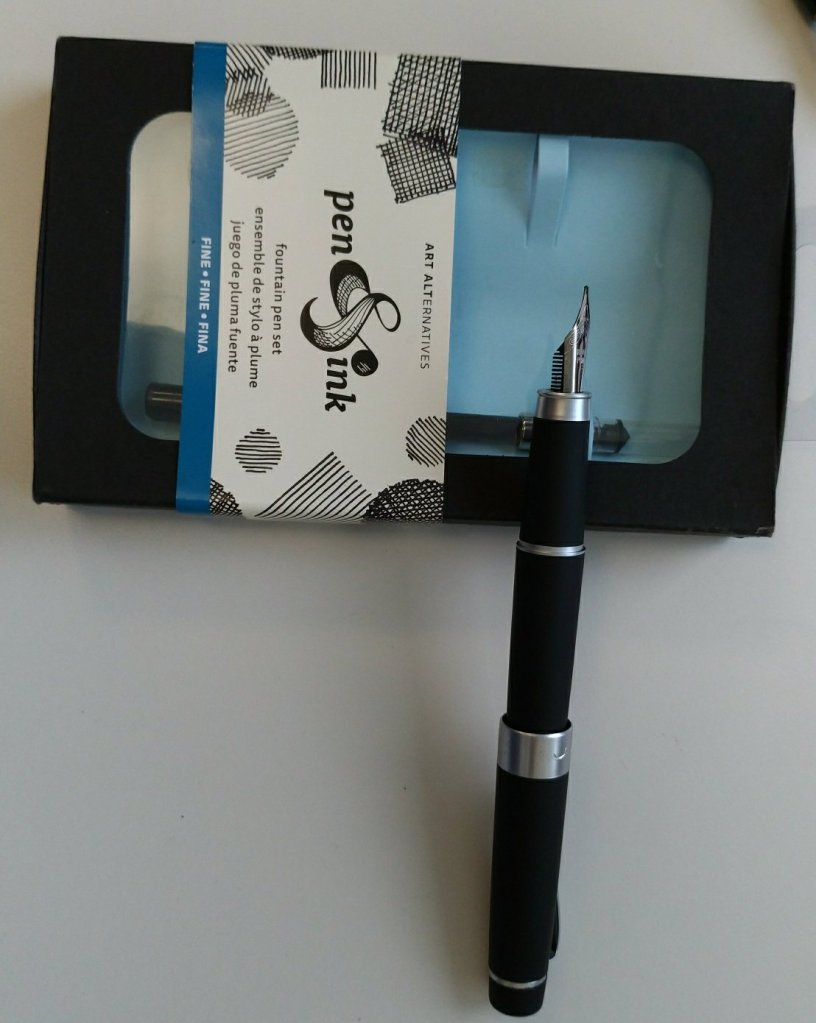

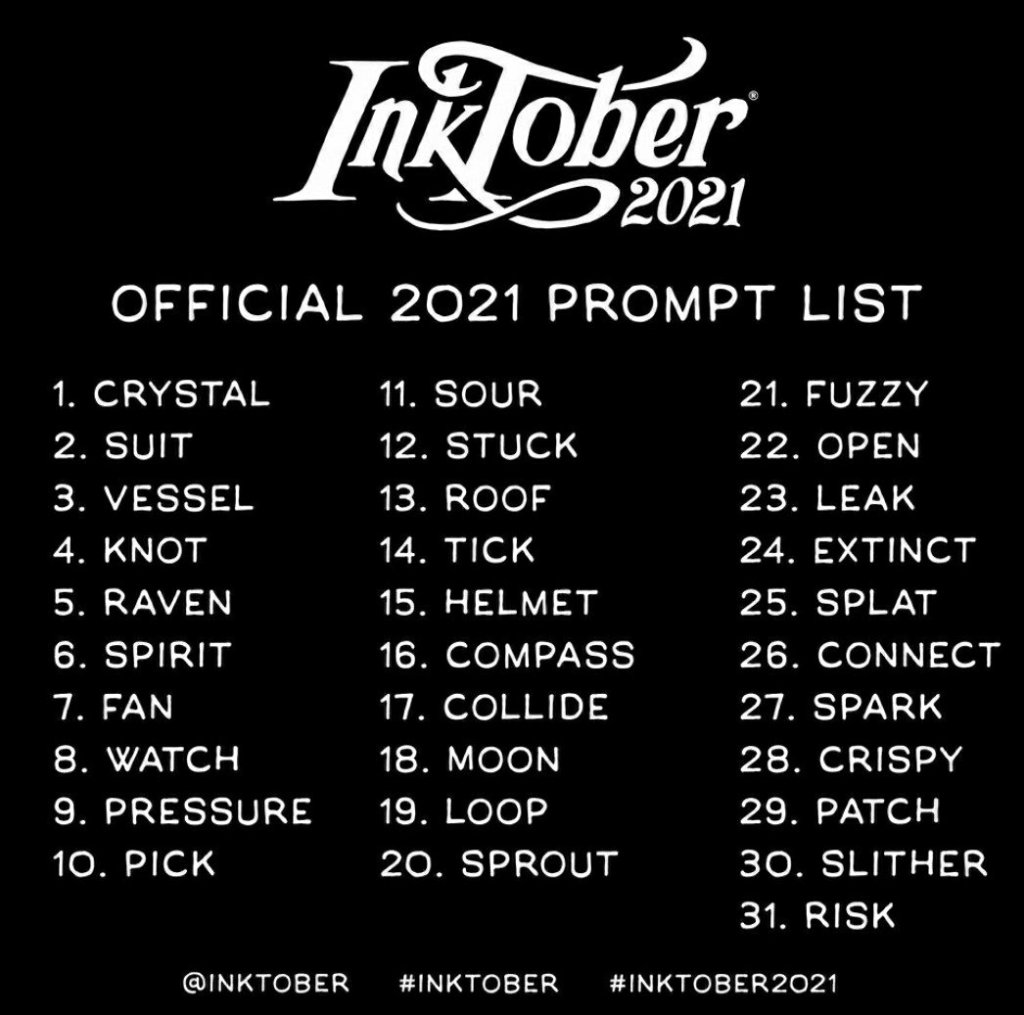
 Join me on this artistic adventure as I explore the captivating world of #TravelVibes #ArtAdventure