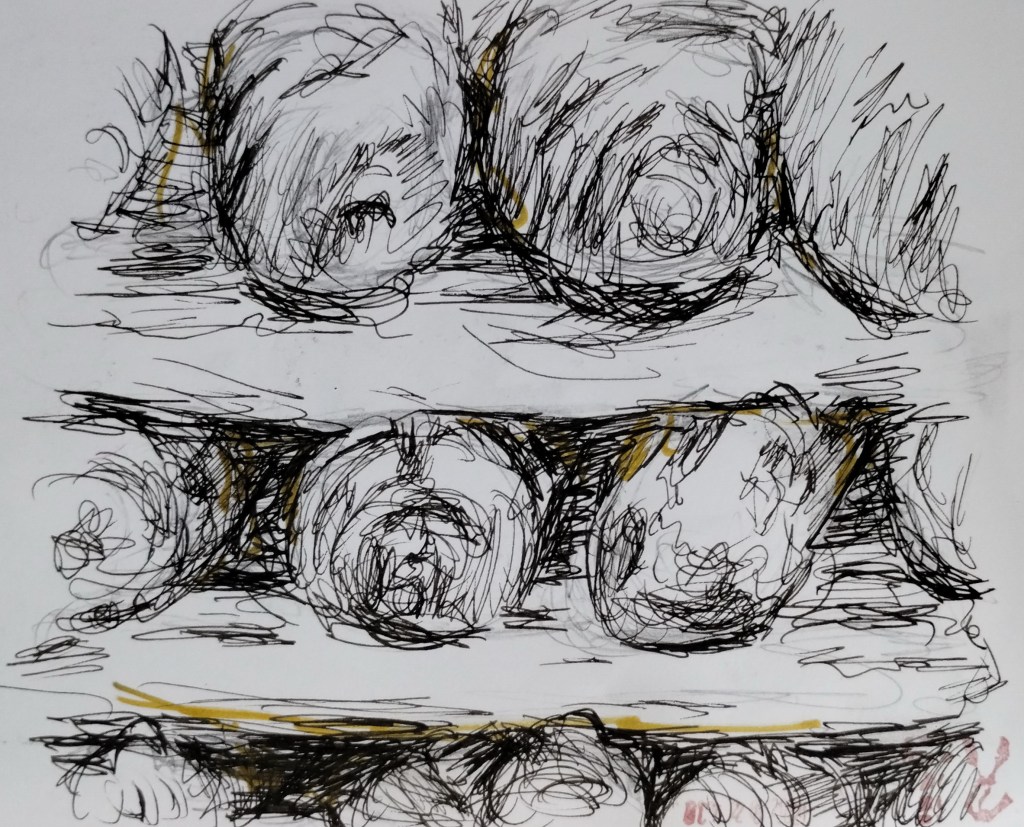
The Art of Pompeii: Depicting Daily Life Through Bakeries. Watercolor journey with the course Roman Architecture by the Yale University.

An Artist's Perspective on Roman Architecture, Artist, Roman Architecture, Uncategorized, Urban sketching, Voyage

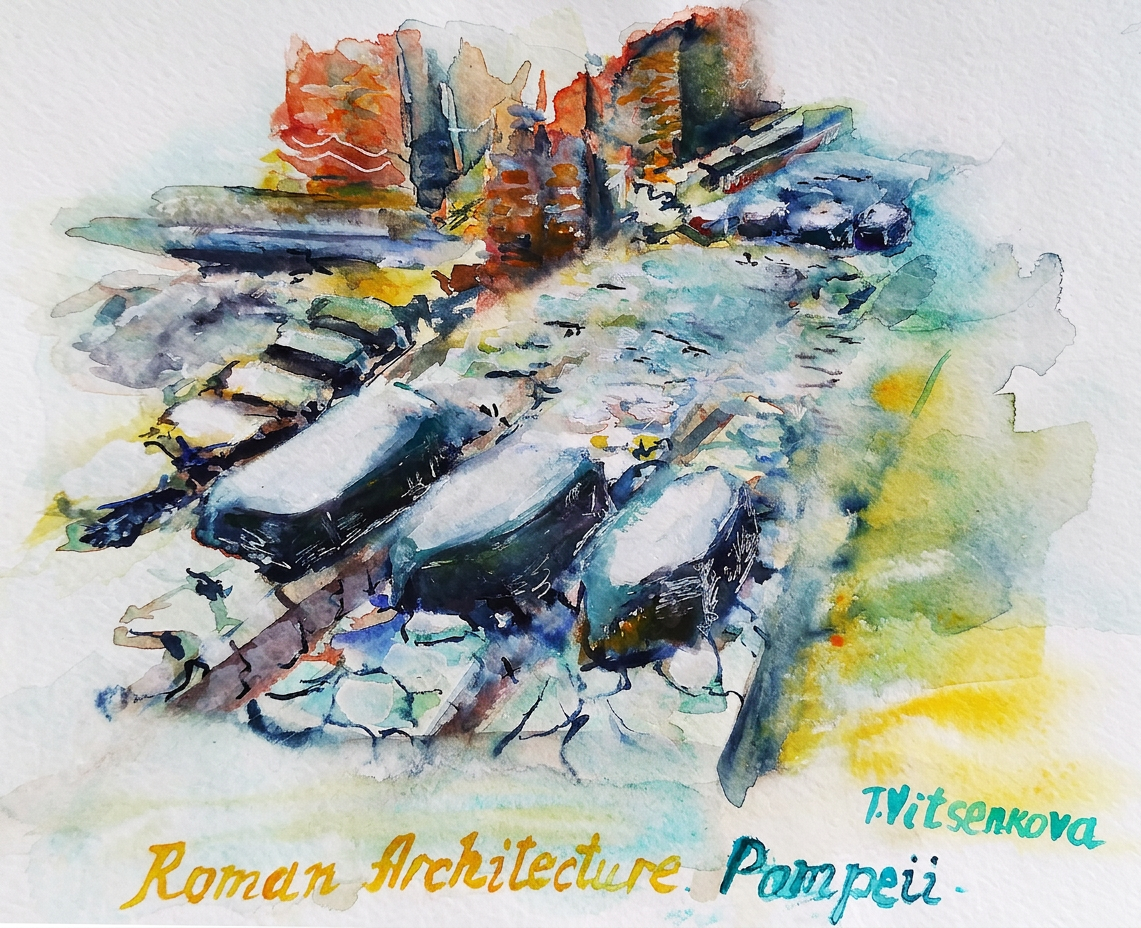
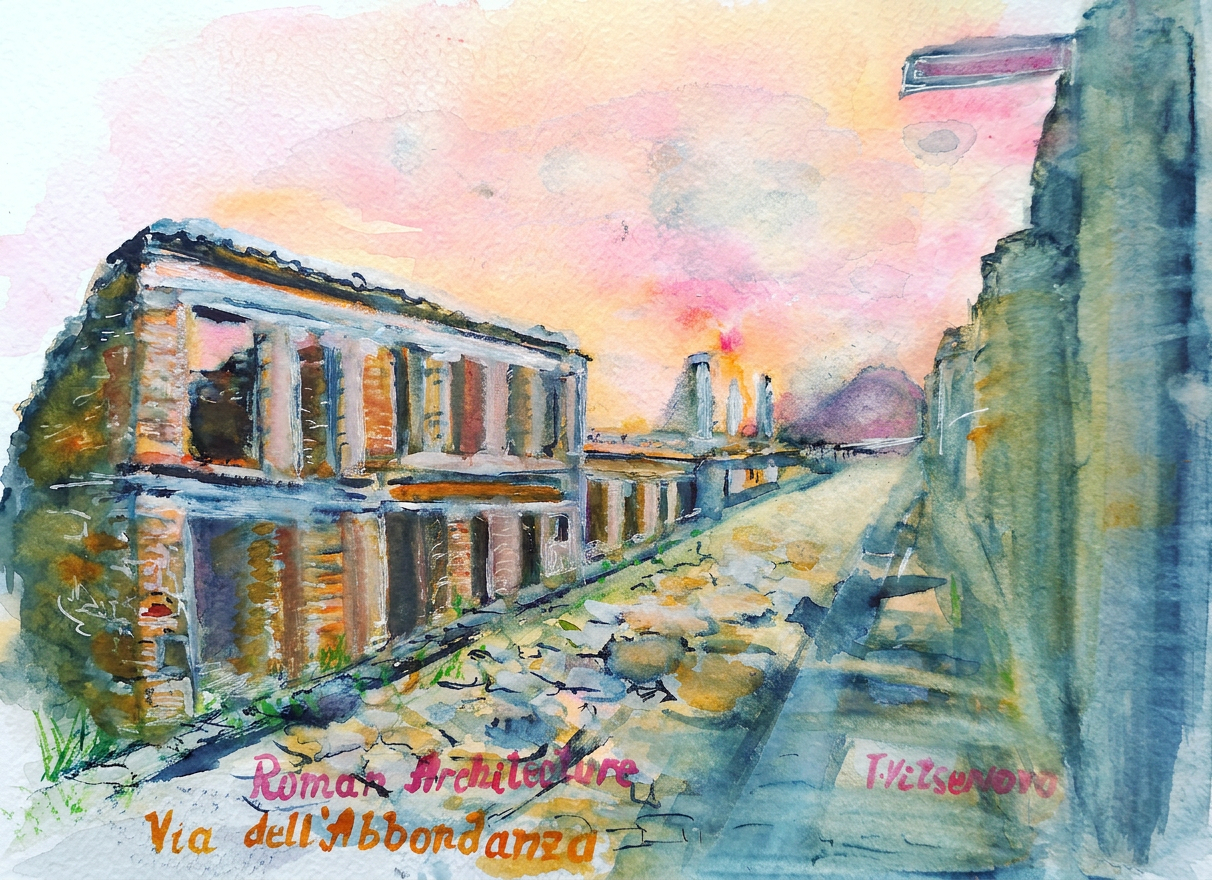
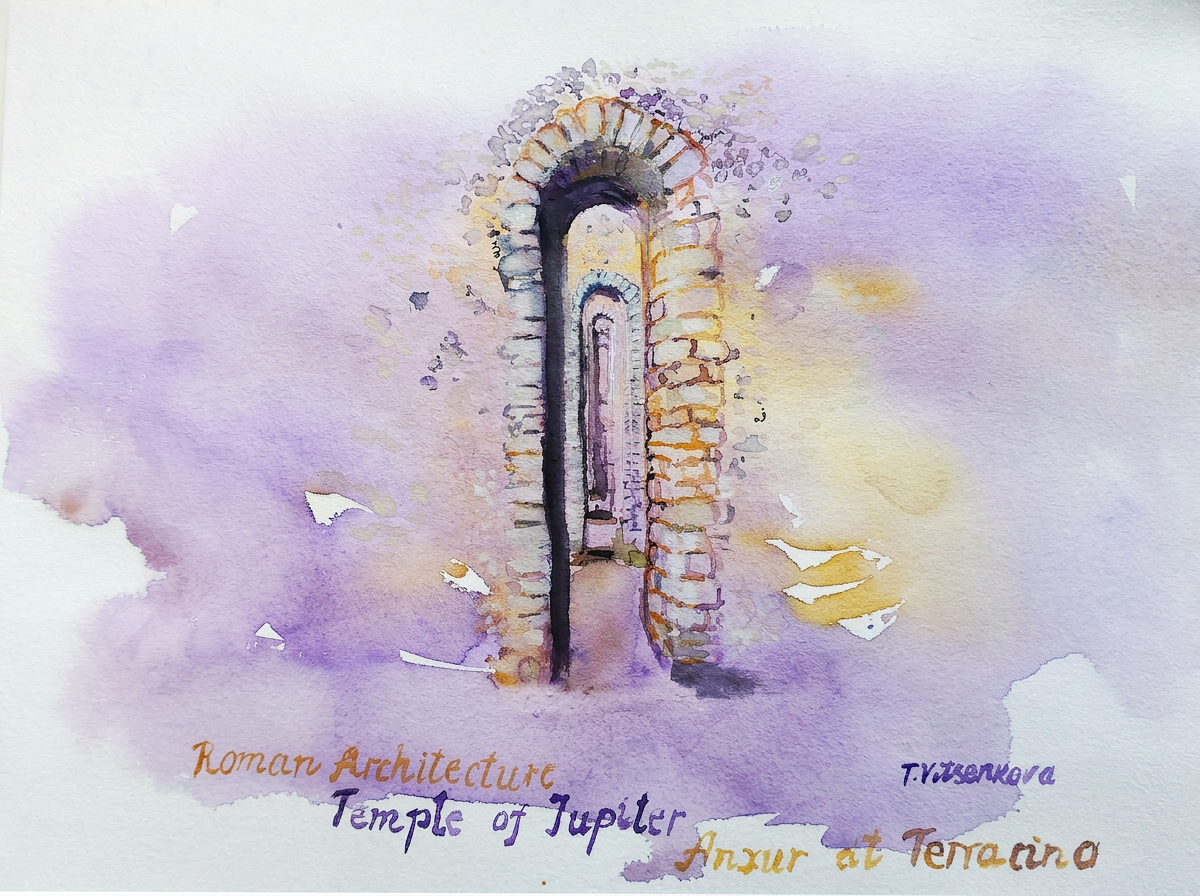
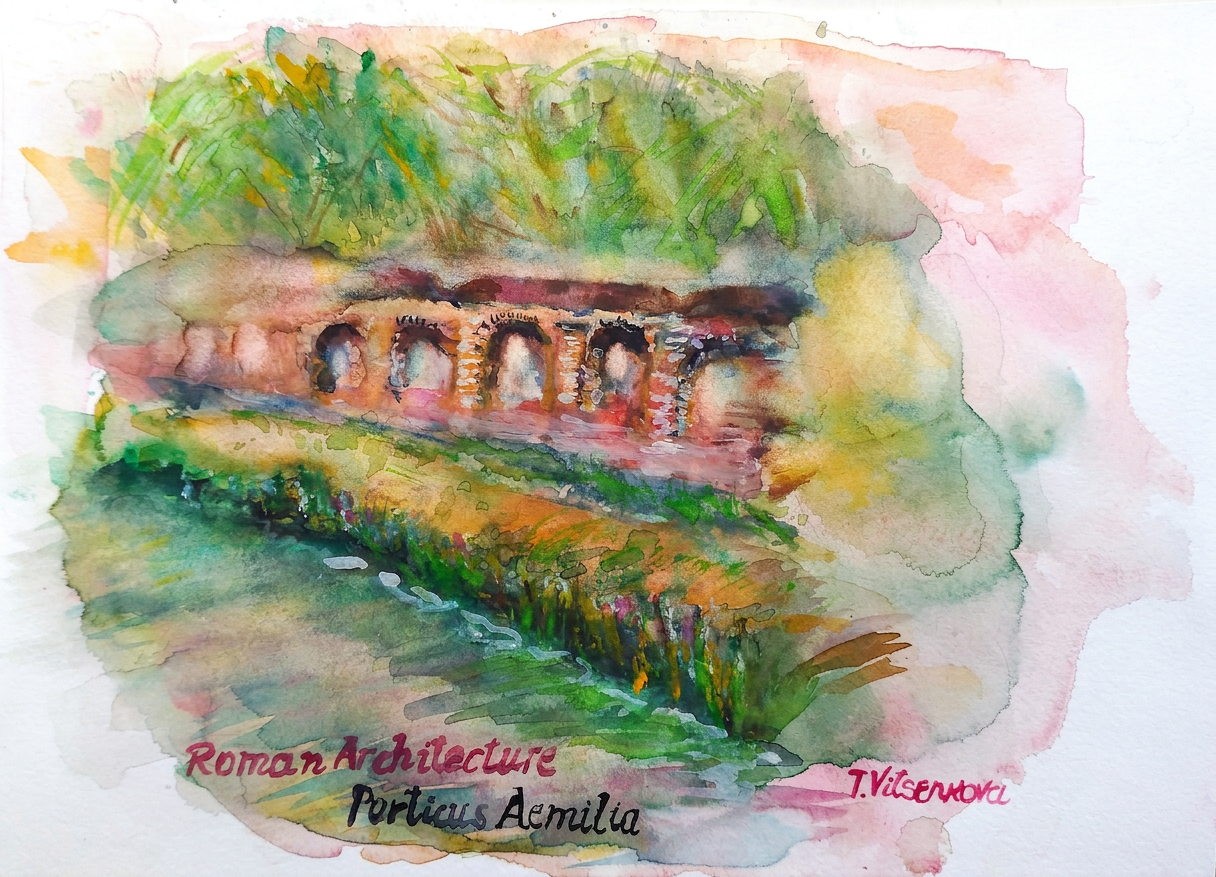
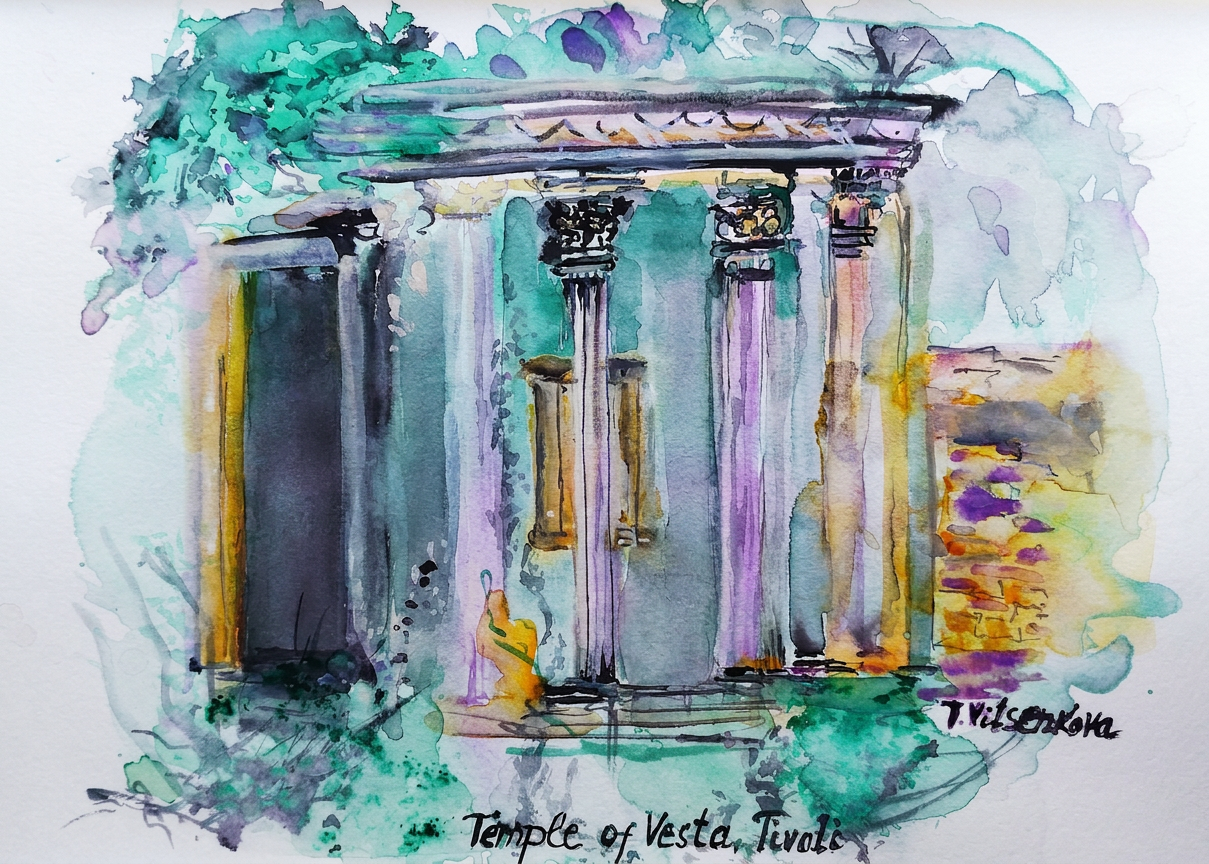
Art and Travel.  Pompeii, bakeries and millstones. Introduction. Bathing, Entertainment, and Housing in the Roman City. 1-4.

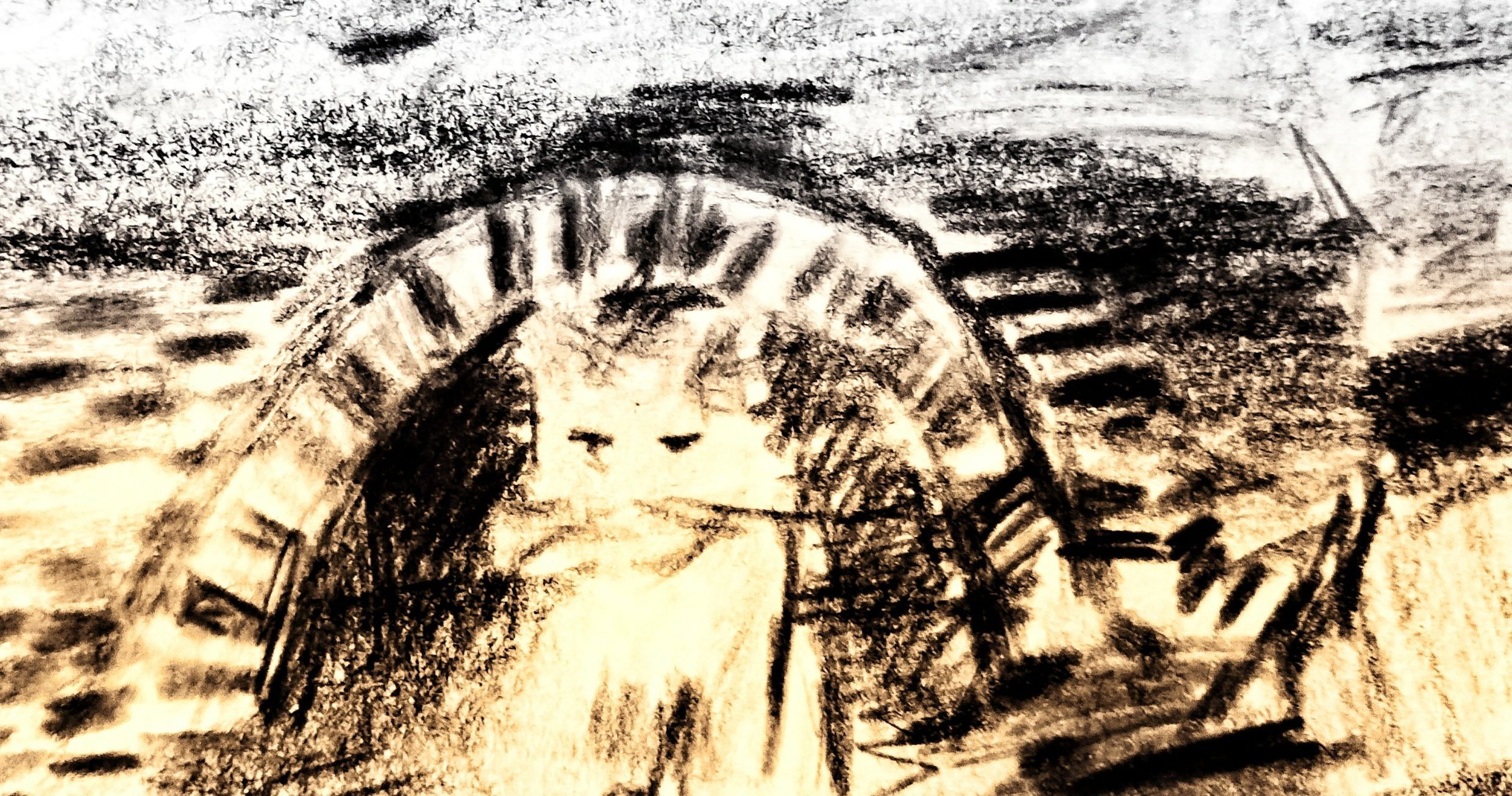
The Daily Grind

The Inspiration – Juvenal
The Sensory Experience

Can you smell the fresh bread?:)

The Scene Setter. Itinerary to Pompeii
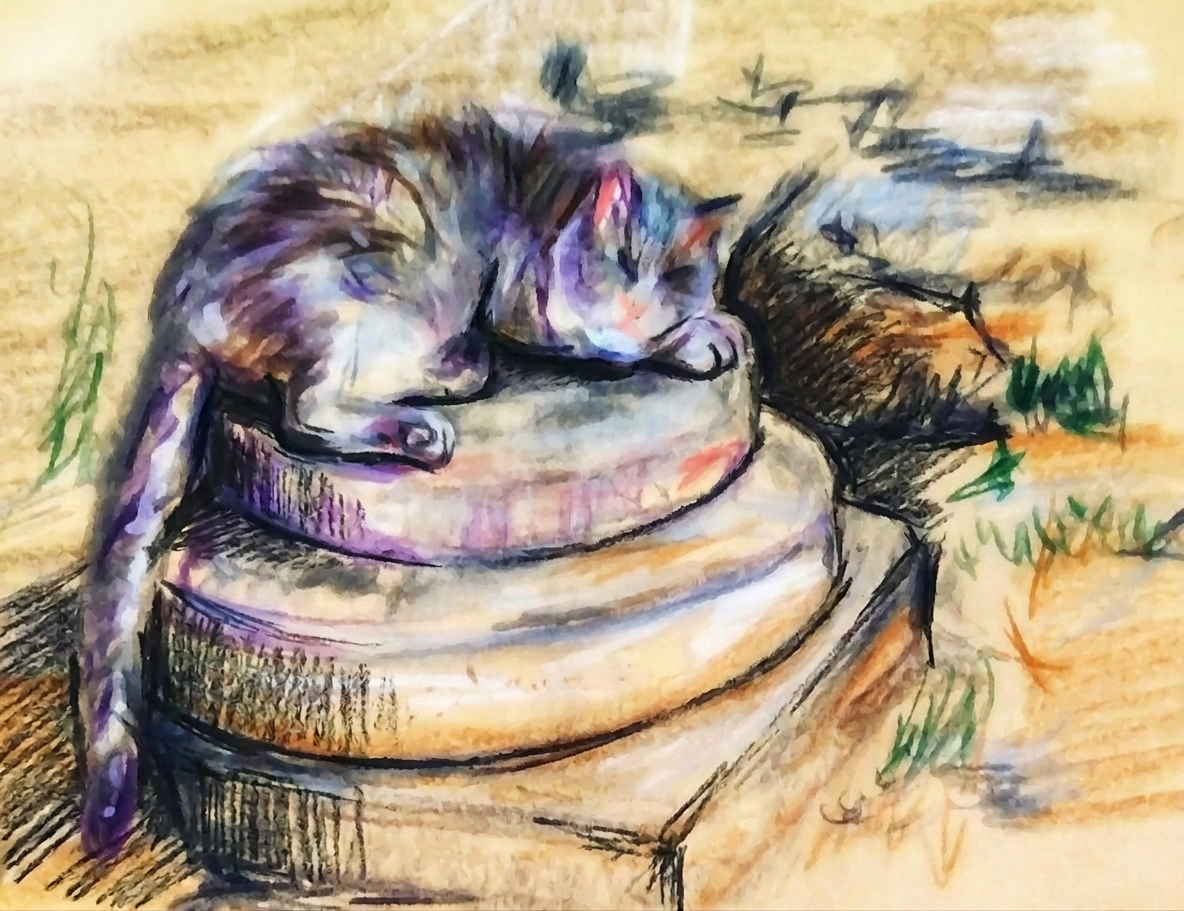
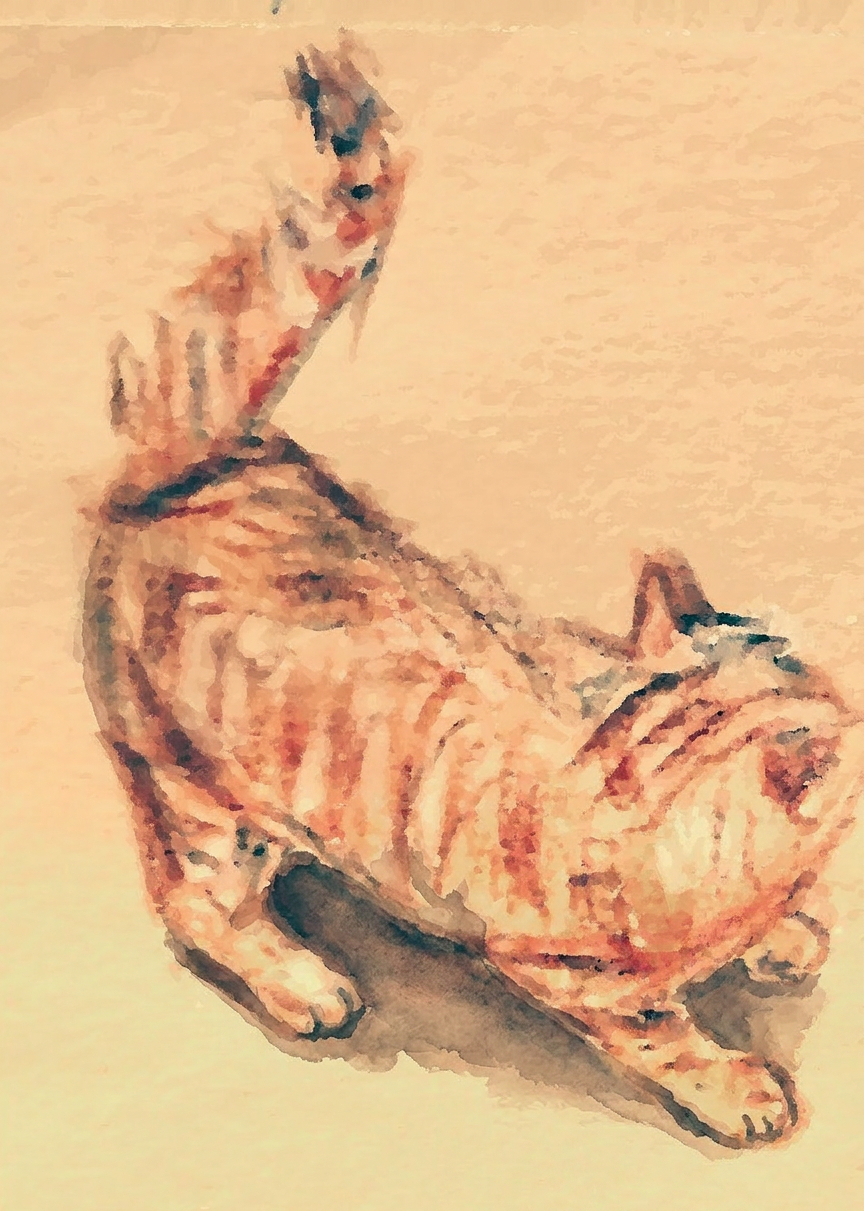
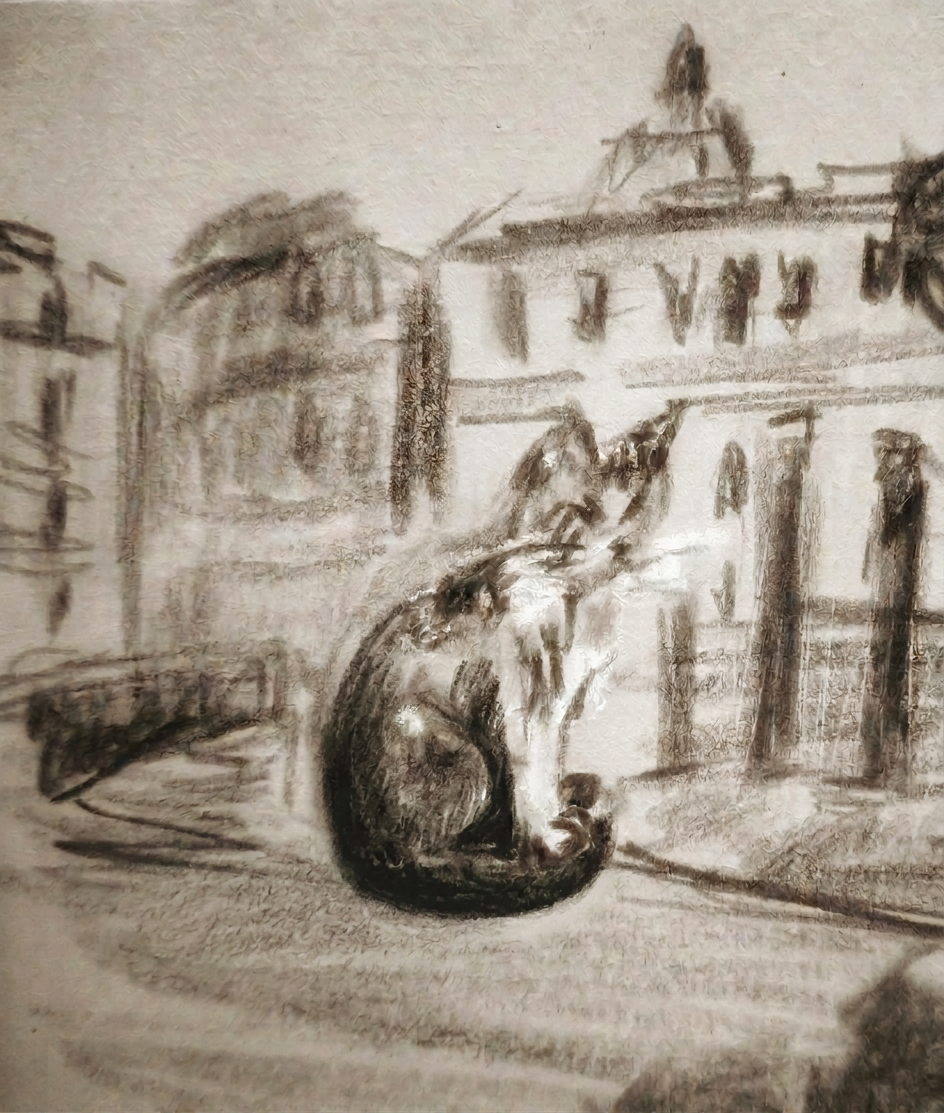
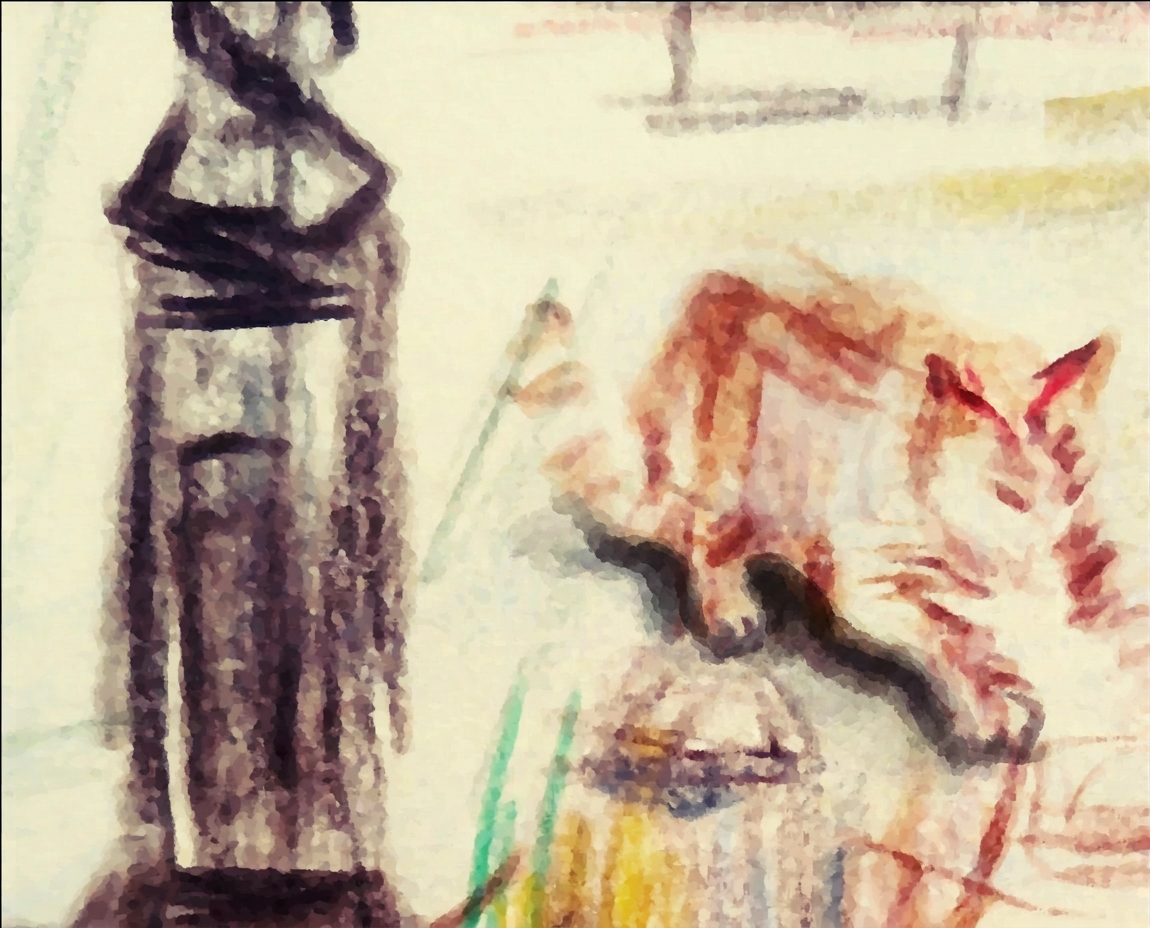
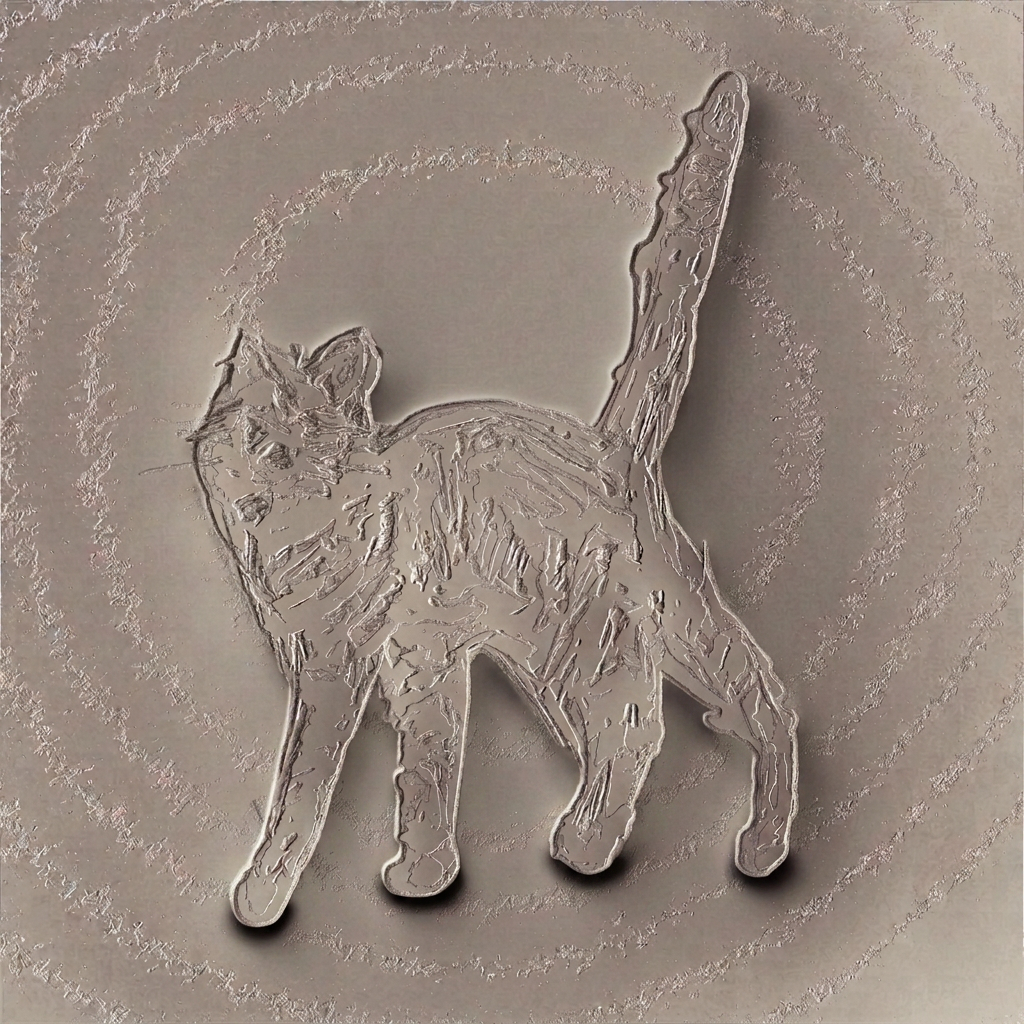
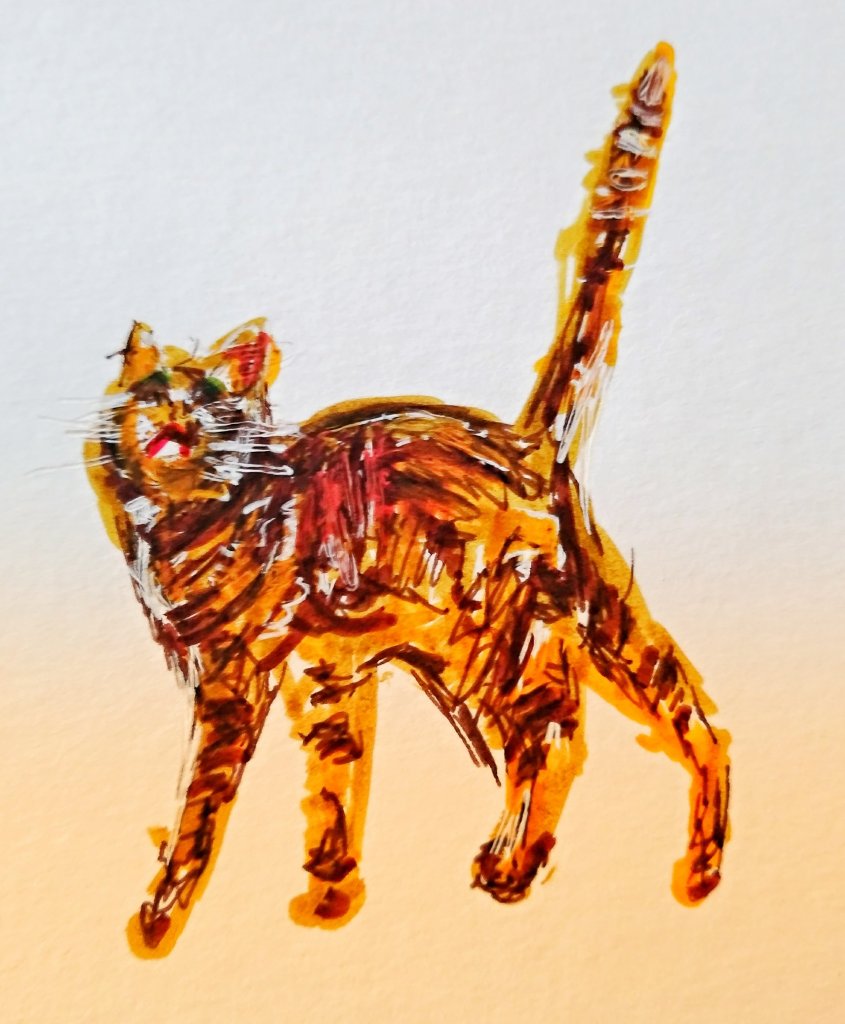
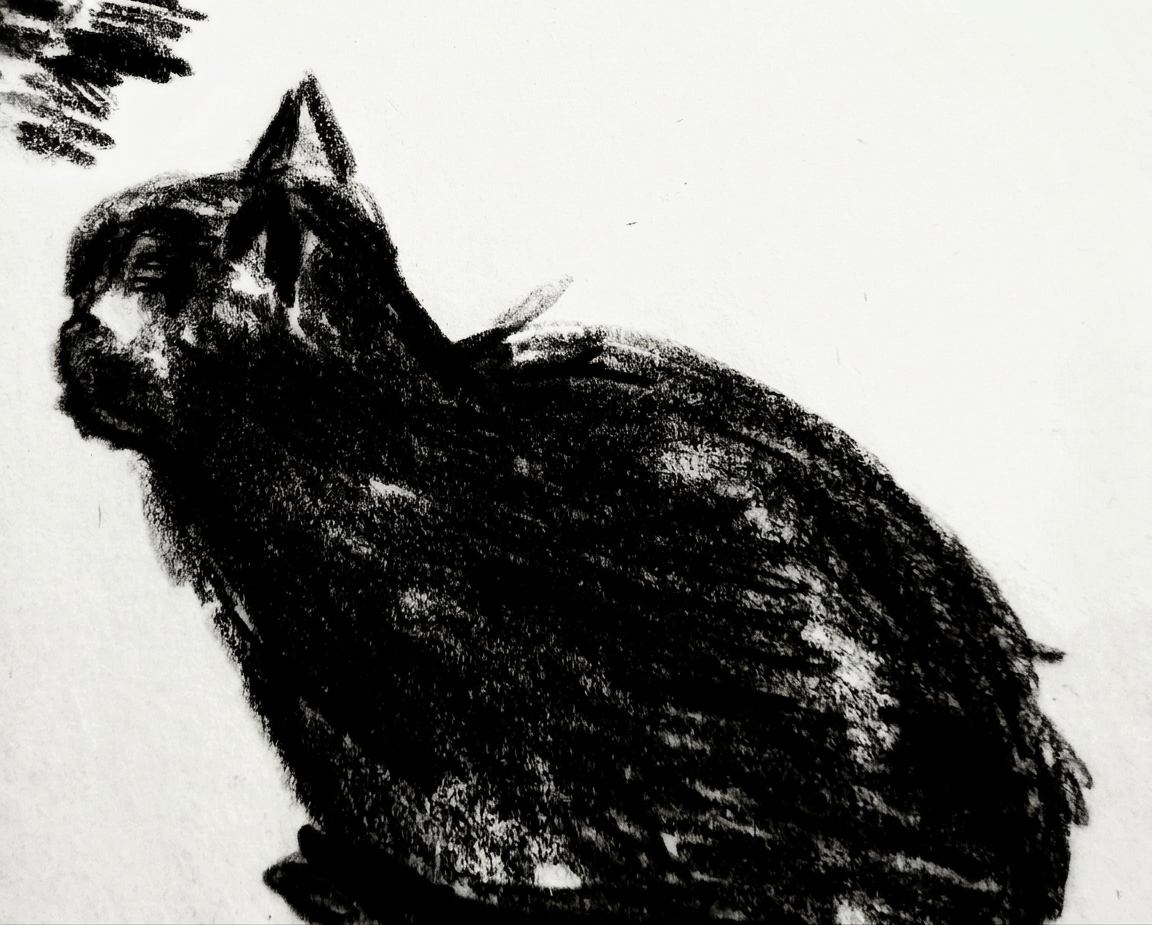
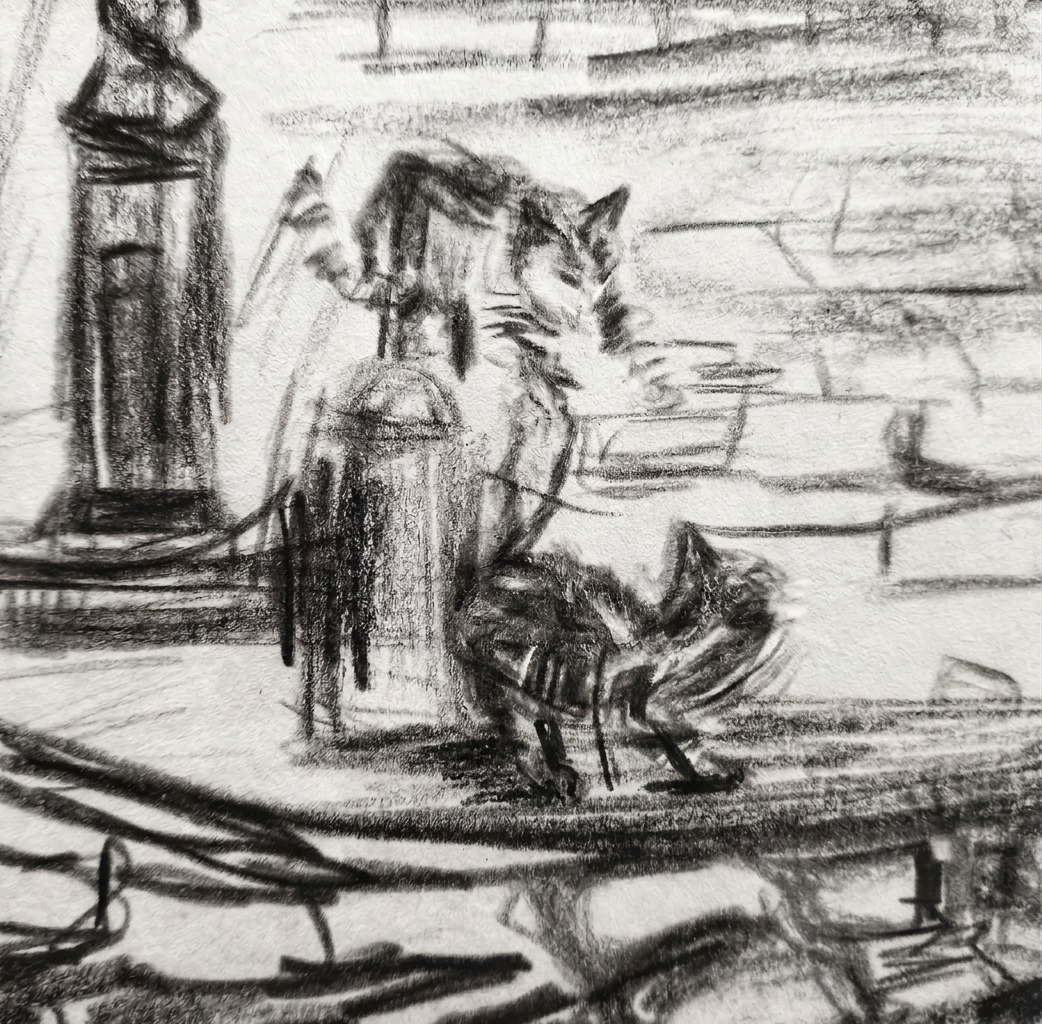
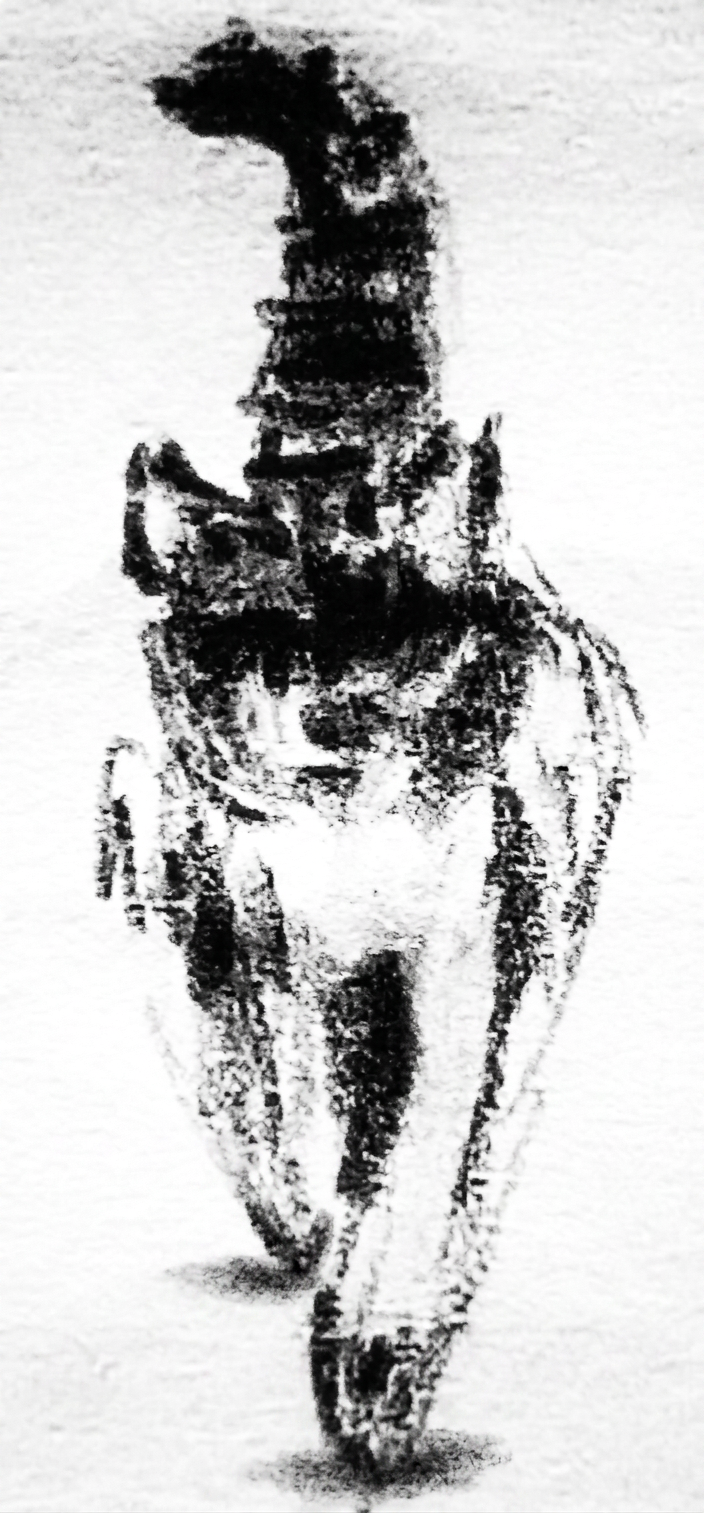
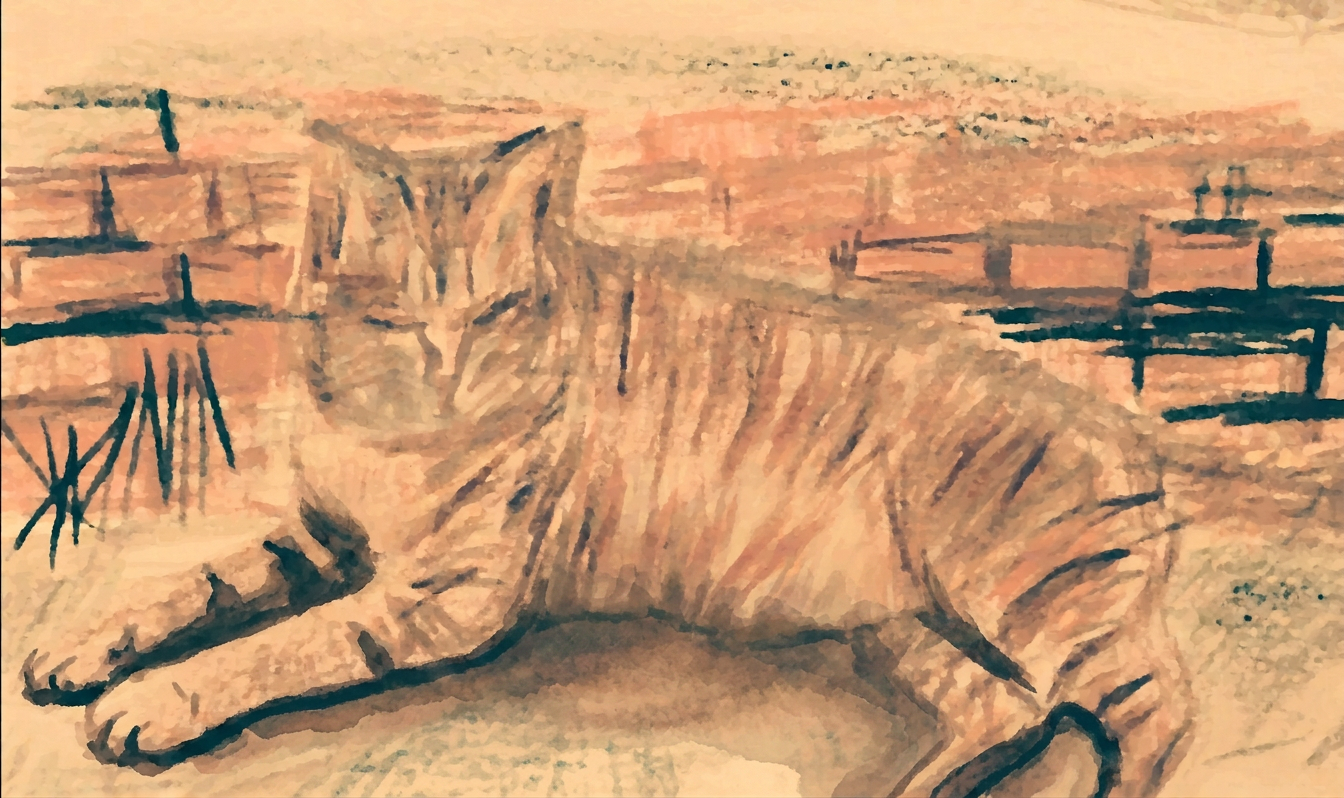
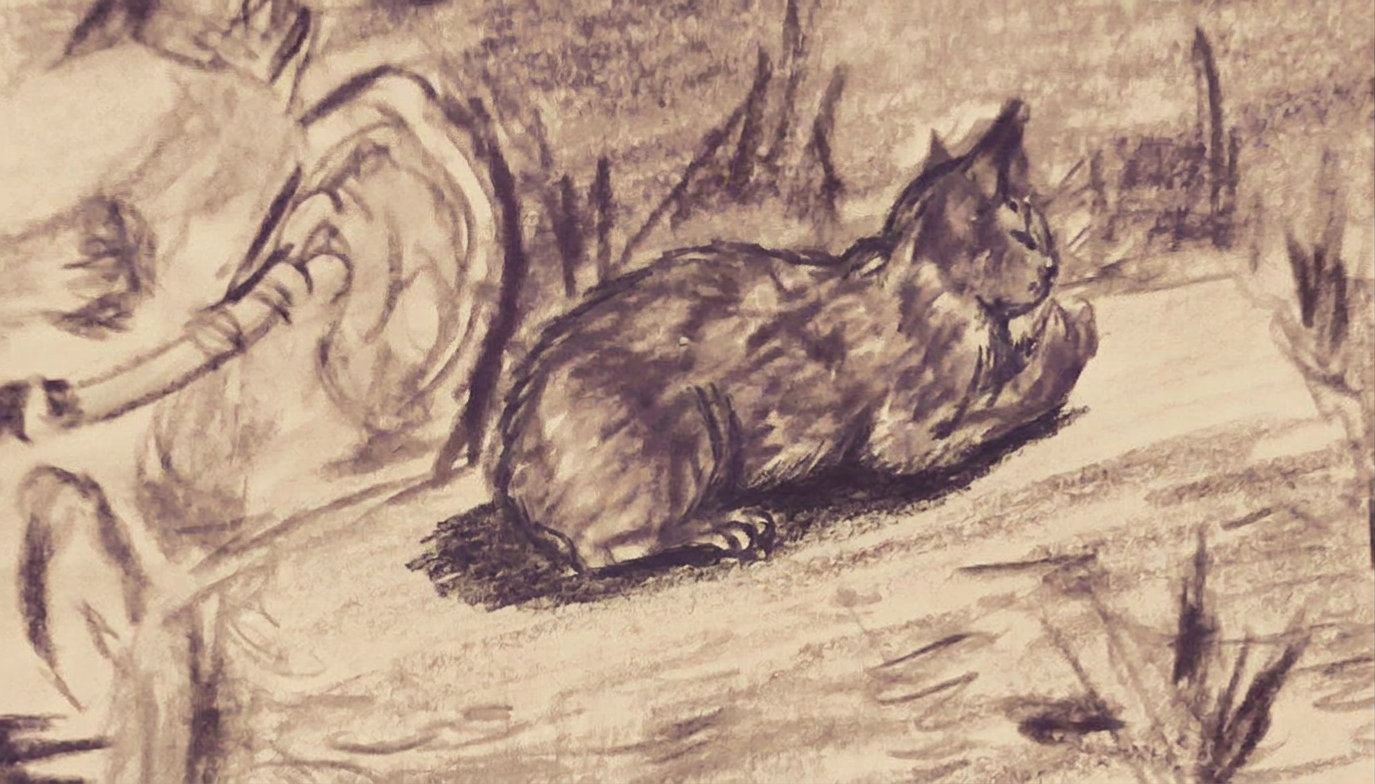
A peaceful scene depicting a resting cat atop stone millstones, reminiscent of ancient Pompeii.

← Back

Thank you for your response. ✨

4-6.Art and Travel. Daily Life and the Eruption of Vesuvius

Artist, Roman Architecture, Uncategorized, Urban sketching, Voyage

Watercolor journey with the course Roman Architecture by the Yale University.

All roads lead to Rome – Alain de Lille

https://www.coursera.org/learn/roman-architecture/home/welcome

← Back

Thank you for your response. ✨

Name
Email
Your message

Δ document.getElementById( "ak_js_2" ).setAttribute( "value", ( new Date() ).getTime() );

3-4.Art and Travel. Innovations in Concrete at Rome: The Tabularium and the Theatre of Marcellus. Watercolor journey with the course Roman Architecture by the Yale University.

Artist, Roman Architecture, Uncategorized, Urban sketching, Voyage

I continue the course Roman Architecture + the city of Rome with Yale’s course Roman Architecture https://www.coursera.org/learn/roman-architecture.

Innovations in Concrete at Rome: The Tabularium and the Theatre of Marcellus. 3-4

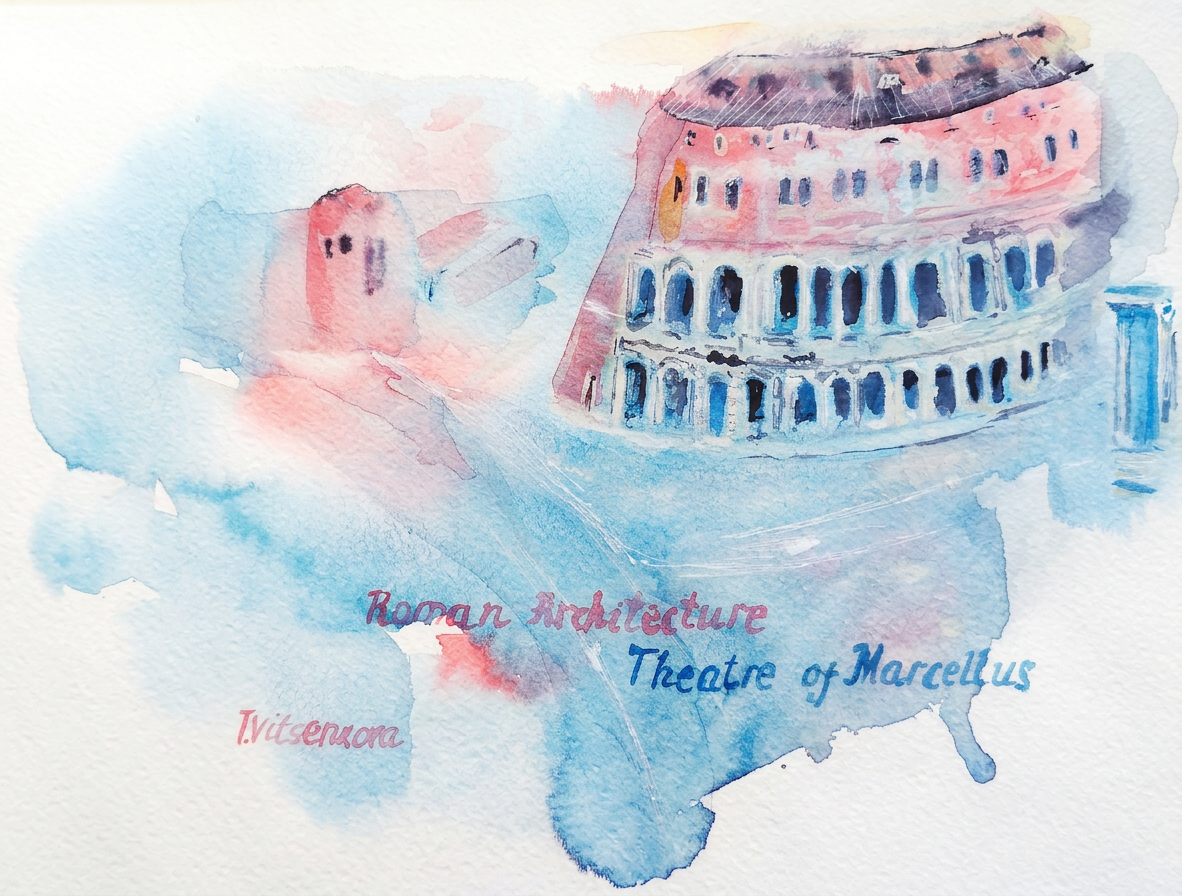
For my watercolor reference’s painting of the Theatre of Marcello with a nearby column of the Temple of Apollo , I used the Google Earth app to view the building from a bird’s eye view. Julius Caesar planned the open-air theatre but died before it was completed. Then Emperor Augustus took up the reins and dedicated the theatre to memory of his nephew and son in law Marcellus in 17 BC, when the theatre was used for dramas and arena fights. 
All roads lead to Rome – Alain de Lille

Bon voyage! Until the next travel:)

https://www.coursera.org/learn/roman-architecture/home/welcome

← Back

Thank you for your response. ✨

Name
Email
Your message

Δ document.getElementById( "ak_js_3" ).setAttribute( "value", ( new Date() ).getTime() );

Discover Yale’s Roman Architecture Course. Servian Wall.

An Artist's Perspective on Roman Architecture, Artist, Roman Architecture, Uncategorized
Why did I decide to dive headfirst into the world of Roman architecture
My visual path to learn Roman Architecture course
Middle tone watercolor technique
Introduction. Roman Urbanism. 1-1
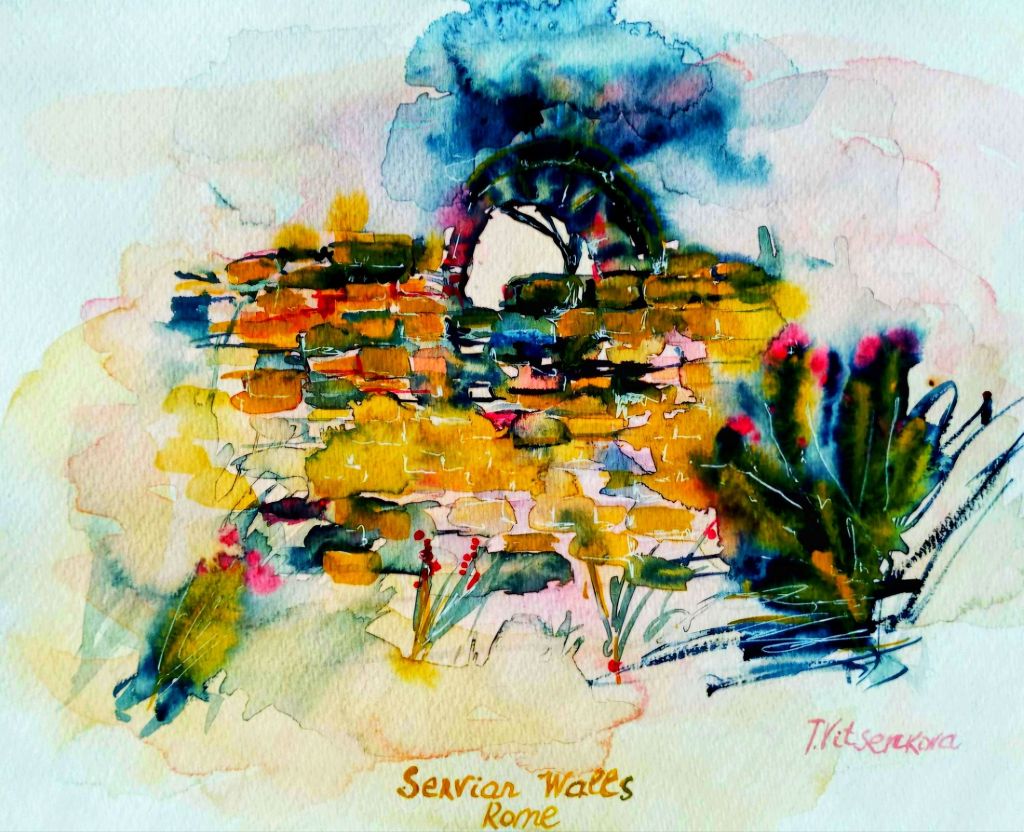
Rome, Servian Walls, Roman Architecture. Year of construction- 3 century B.C.
Watercolor painting of the Servian Walls in Rome, showcasing a blend of colors and light highlights. The artwork captures the ancient structure surrounded by greenery, symbolizing Roman architectural heritage.
Watercolor painting of the Servian Walls in Rome, showcasing the vibrant colors and textures inspired by ancient Roman architecture.
The early period of Roman architecture
The walls spanned approximately 19 kilometers
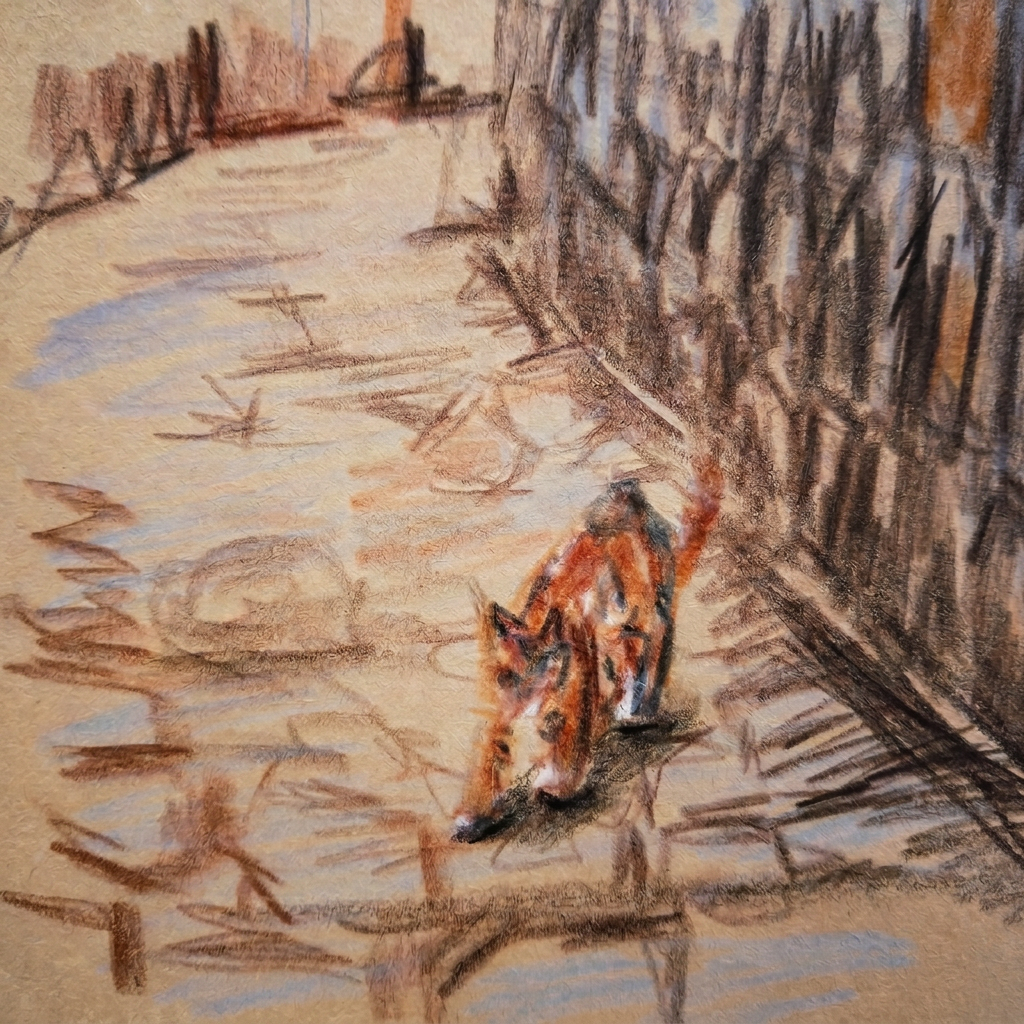
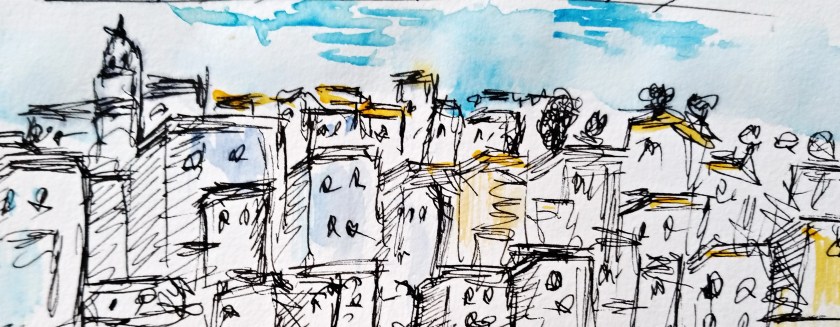
A watercolor sketch depicting a cat sitting in front of colorful buildings and trees, showcasing a view of Roman architecture.
Watercolor sketch featuring a cat overlooking a view of Roman architecture, inspired by the Servian Walls and the Roman landscape.
Termini station in Rome and nearby hidden gem
“All roads lead to Rome” Alain de Lille

← Back

Thank you for your response. ✨

art online school https://mogut-vse.ru/

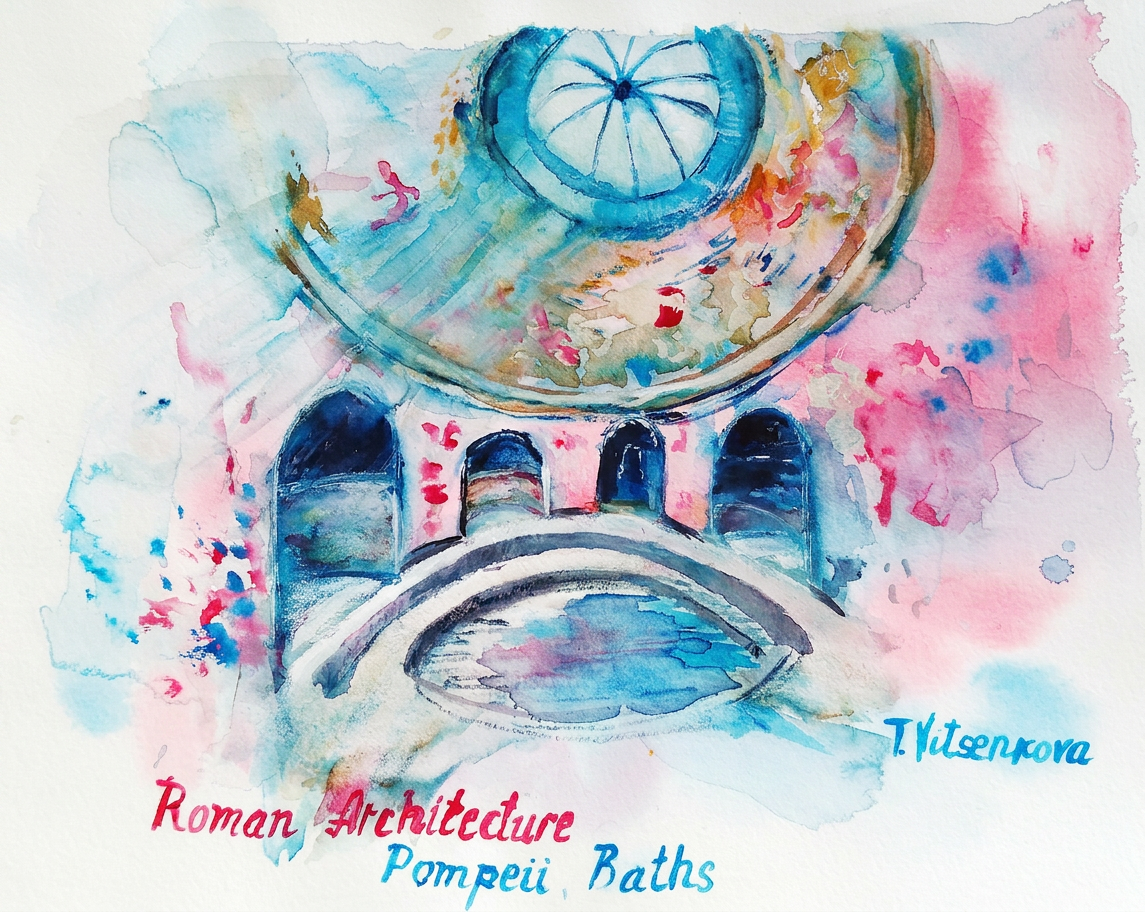
4-5. Art and Travel. Bath Complexes at Pompeii.

Artist, Roman Architecture, Uncategorized

Watercolor journey with the course Roman Architecture by Yale University.

C. 4-5

All roads lead to Rome – Alain de Lille

Bon voyage! Until the next travel:)

https://www.coursera.org/learn/roman-architecture/home/welcome

← Back

Thank you for your response. ✨

Name
Email
Your message

Δ document.getElementById( "ak_js_5" ).setAttribute( "value", ( new Date() ).getTime() );

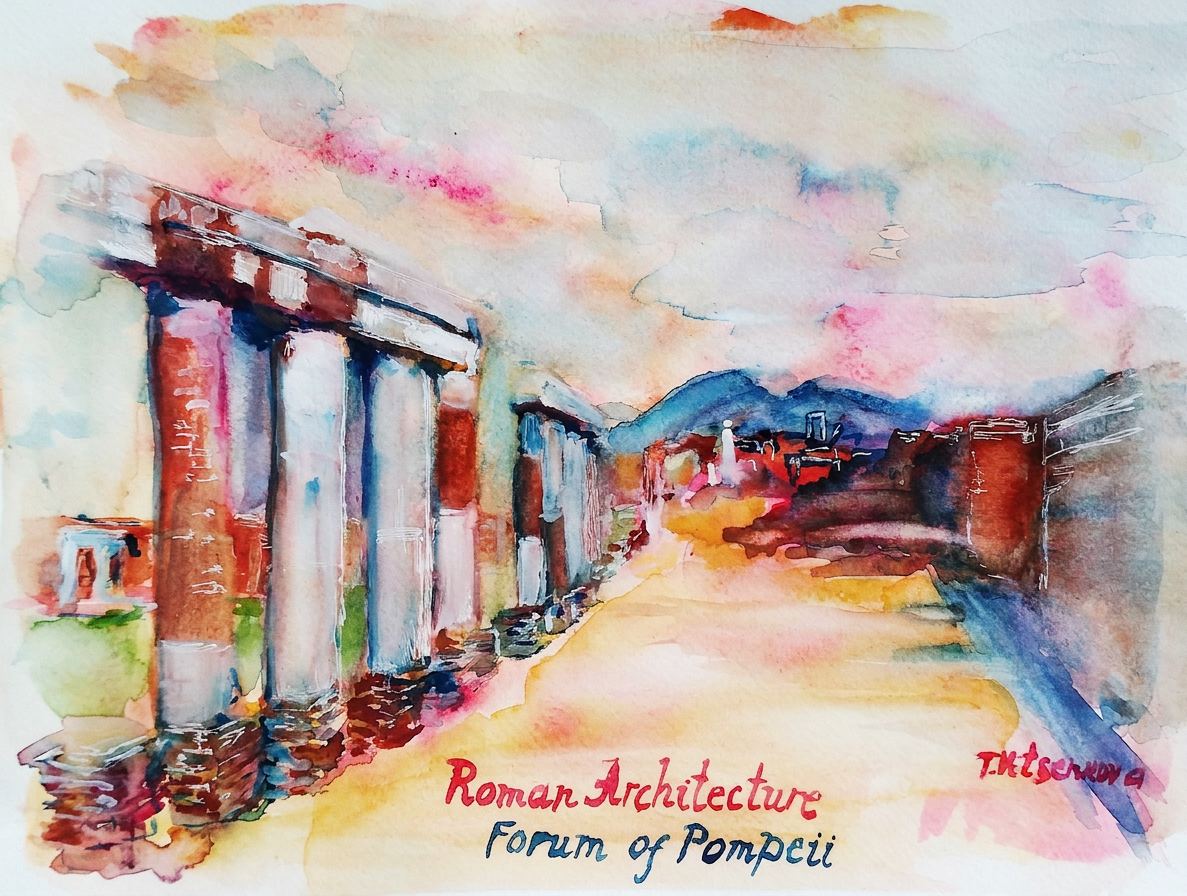
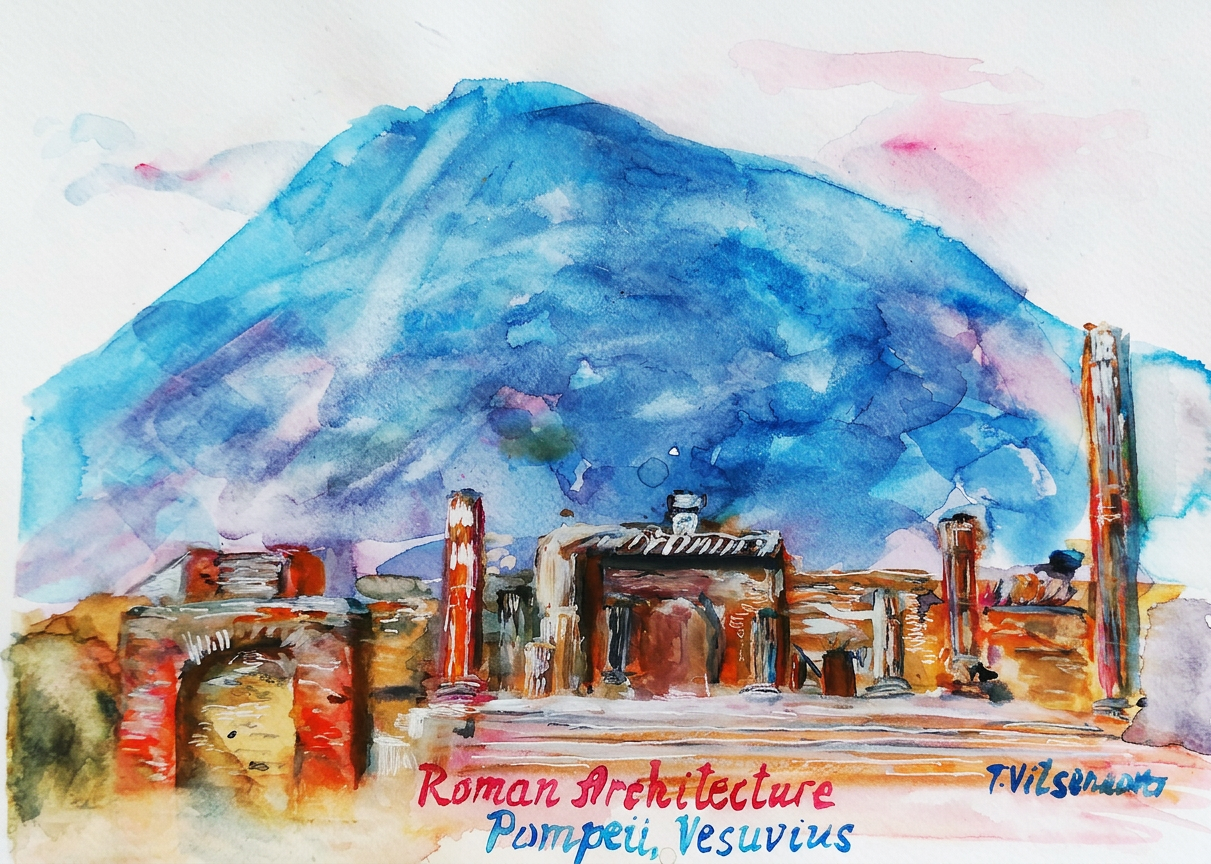
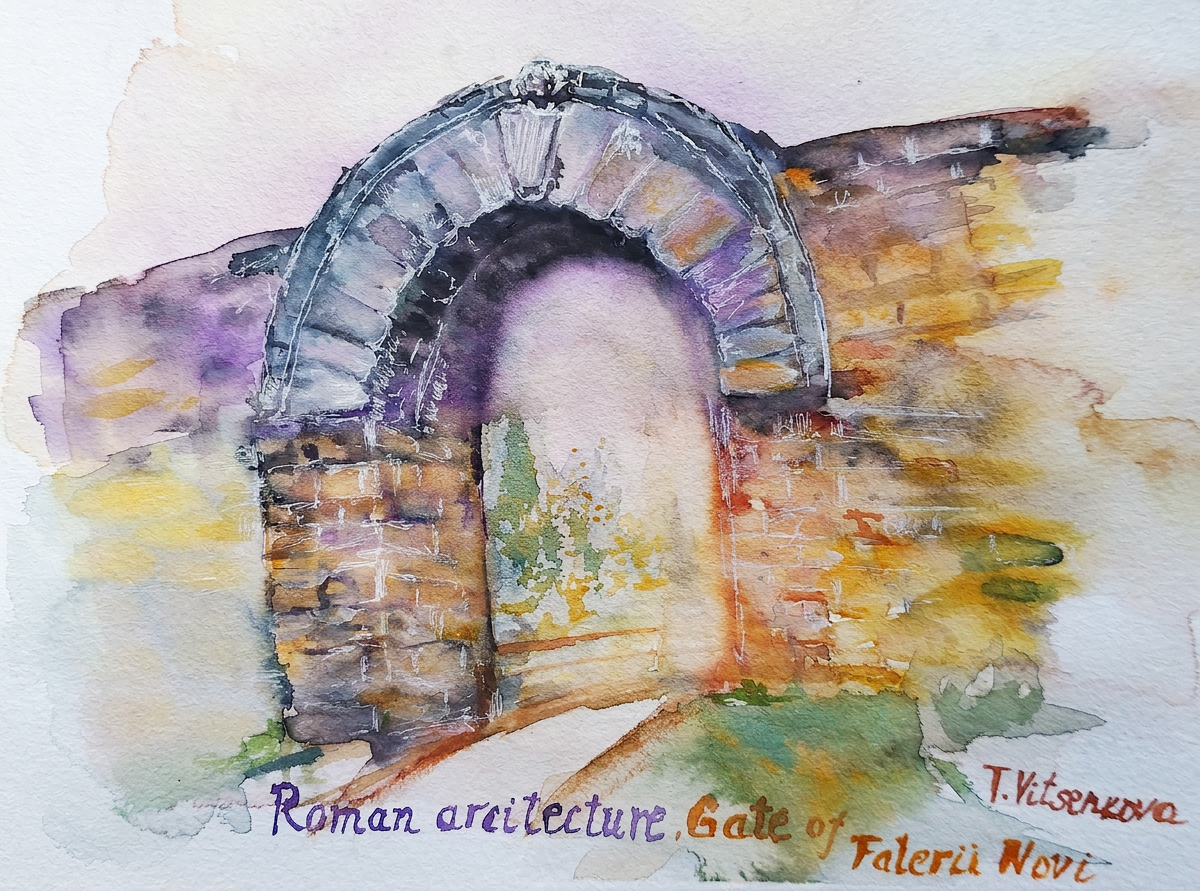
4-2.Art and Travel. The Early Settlement and the Forum at Pompeii .

Artist, Roman Architecture

Watercolor journey with the course Roman Architecture by the Yale University.

C. 4-2

All roads lead to Rome – Alain de Lille

Bon voyage! Until the next travel:)

https://www.coursera.org/learn/roman-architecture/home/welcome

← Back

Thank you for your response. ✨

Name
Email
Your message

Δ document.getElementById( "ak_js_6" ).setAttribute( "value", ( new Date() ).getTime() );

5-1.Art and Travel. Introduction and the Ideal Domus Italica.

Roman Architecture, Uncategorized

Watercolor journey with the course Roman Architecture by the Yale University.

I continue the painting series with the course Roman Architecture + the city of Rome with Yale’s course Roman Architecture https://www.coursera.org/learn/roman-architecture.

C. 5-1

https://pixels.com/featured/domus-italica-residential-house-in-pompeii-tamara-vitsenkova.html

All roads lead to Rome – Alain de Lille

https://www.coursera.org/learn/roman-architecture/home/welcome

← Back

Thank you for your response. ✨

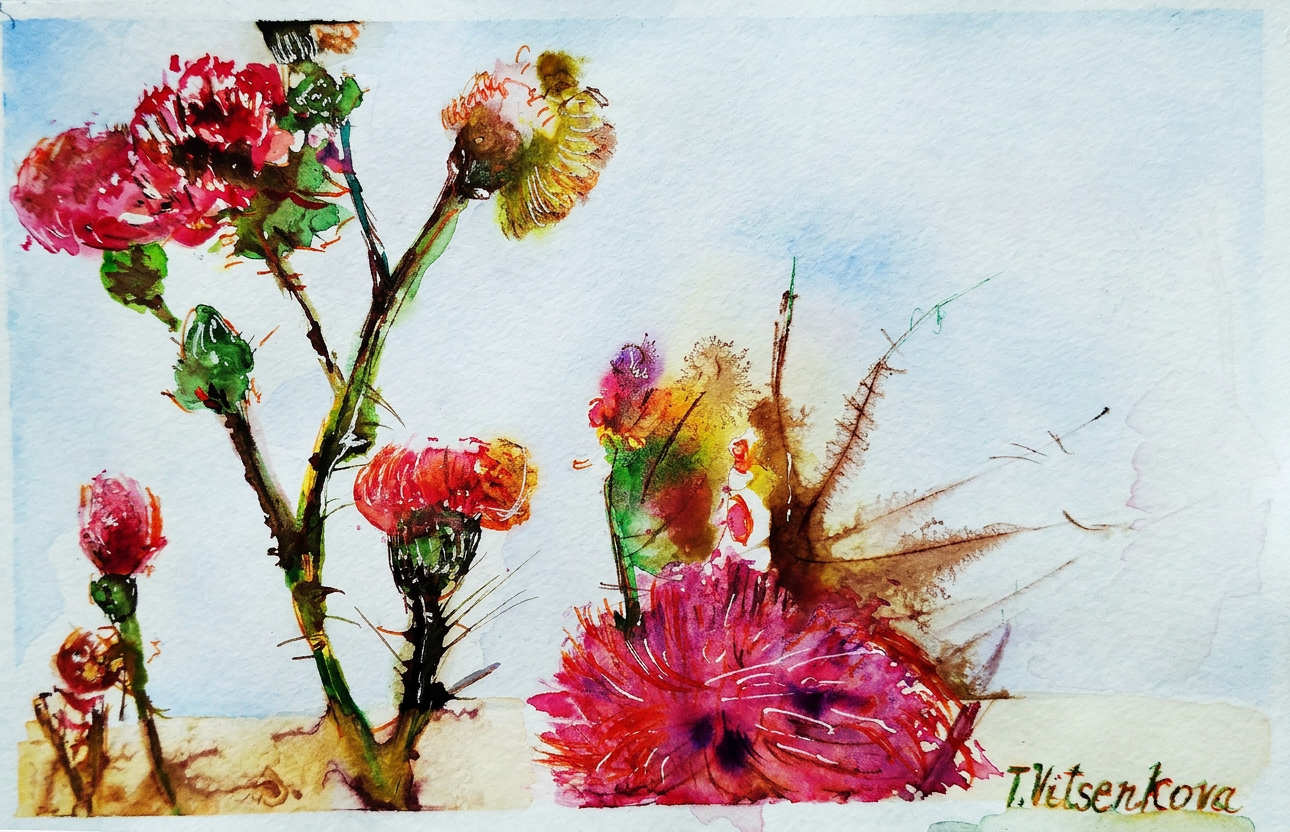
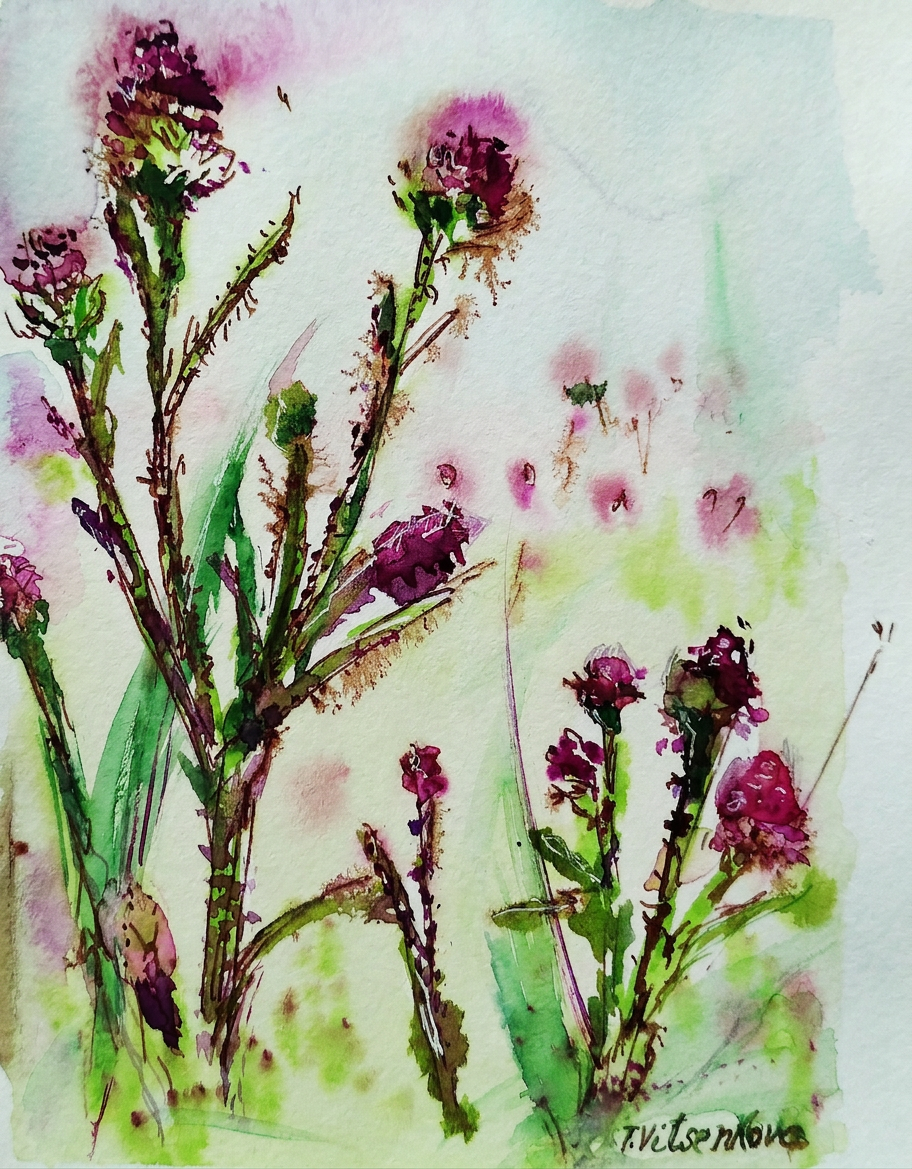
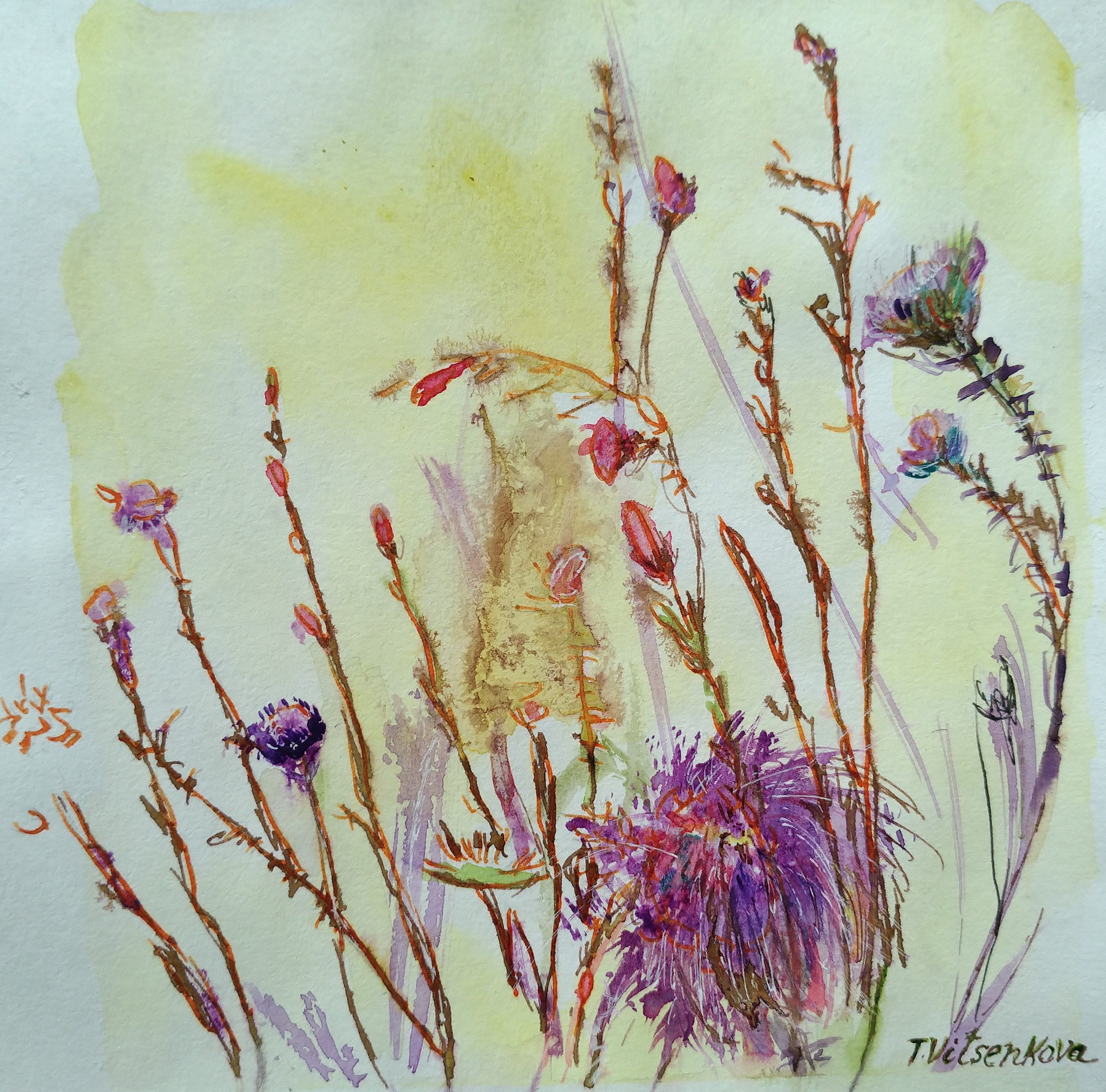
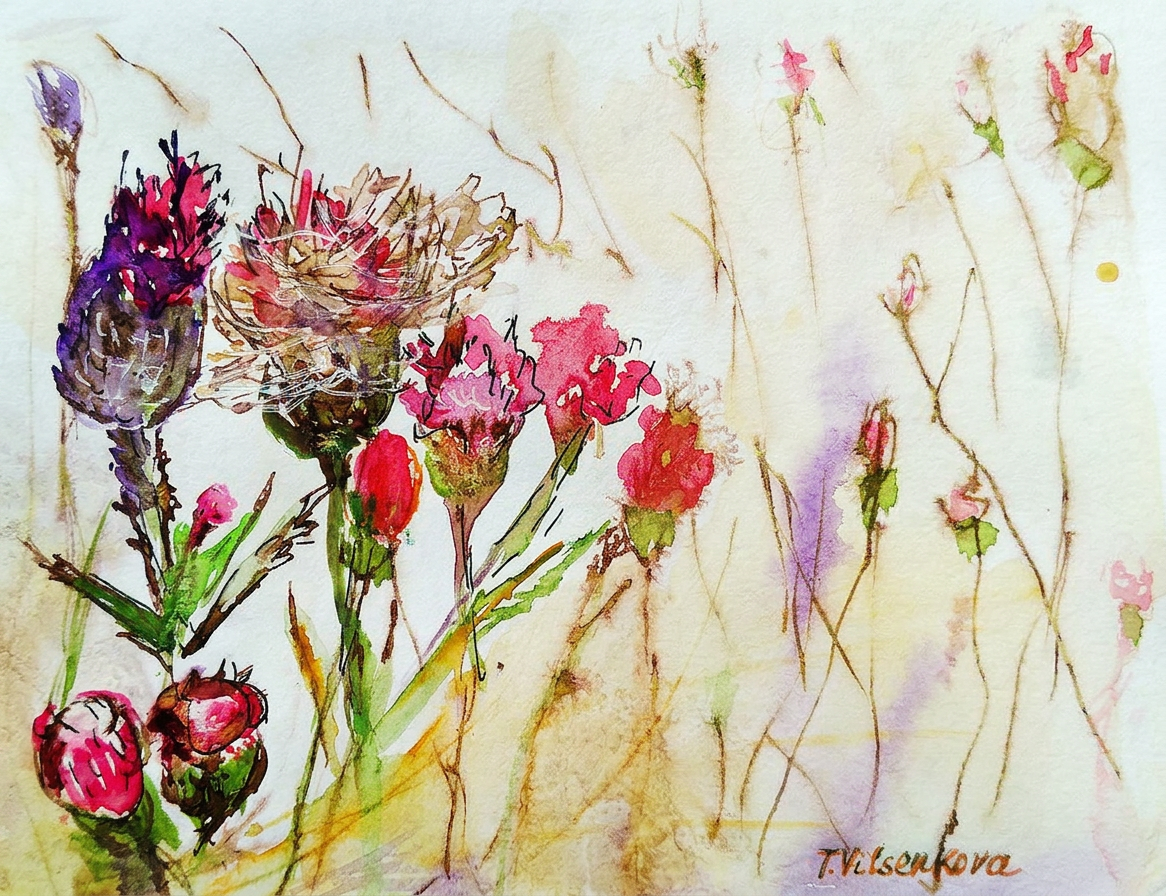
Wildflowers. Thistle in sepia and the city of Rome. Part 5.

Artist, ArtTravel, Uncategorized, Urban sketching

Still life and urban sketching—because thistles are basically nature’s way of saying ‘don’t get too close.’

Rome is basically an open-air museum that refuses to close. Ever. The streets are littered with buildings from every architectural era imaginable, as if someone dumped 2,000 years of interior design catalogs all in one place. It’s chaos. Beautiful, Instagram-worthy chaos.

Rome: where every corner looks like a movie set. No filter needed.
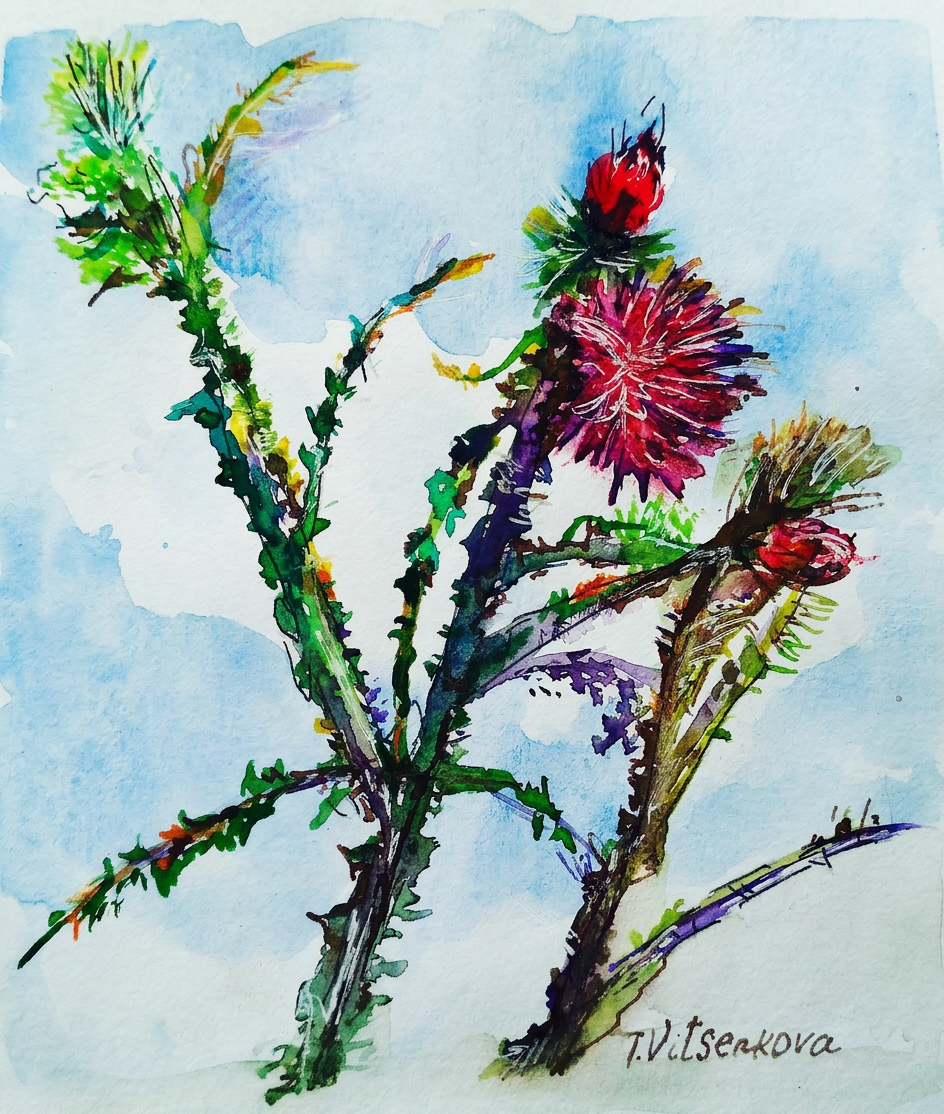
Thistle in watercolor with ink—featuring a delightful palette of pumpkin, turmeric, pineapple, and brick-colored stems because apparently I was hungry while painting. It supposedly represents Rome’s Pantheon: monumental, elegant, and totally not something you’d want to hug. The whole thing is basically an antique temple dedicated to gods who would probably be confused by modern WiFi.

Thistle #1: Painted while hungry. Named after an ancient temple. Sounds about right.

Here’s the truth about Rome: it doesn’t need color. Seriously. Just slap some sepia on it and a few ‘tender shades,’ and suddenly marble fountains and statues become artistically moody. It’s like Rome hired the world’s best Instagram filter and never turned it off.

Emperor Augustus once said: ‘I found Rome a city of bricks and left it a city of marble.’ Translation: ‘I showed up and flexed so hard that everything got an upgrade.’

Thistle number two: wildflower with avocado and cherry-colored petals because apparently I was on a mood board binge. The chaotic petals remind me of the Roman Forum’s ancient ruins—you know, ruins that used to be someone’s important government building but now just vibes there mysteriously. Every time you visit, you find something new. Mostly it’s tourists like you, but sometimes it’s actually history!

Thistle #2: Avocado meets cherry. The Roman Forum approves from its mysteriously crumbled remains.

Thistle number three, now in violaceous hues (fancy word alert!). It reminds me of Borromini’s architecture in Rome—all concave curves and convex swagger with sharp angles that would make a modern architect weep. Remember Gaudí’s Barcelona houses? Same energy. But here’s the thing: Borromini’s stuff is actually calm and airy despite looking like it wants to fight you. It’s strong, persistent, and stubborn—just like a thistle that refuses to die in a sidewalk crack. Basically, I’m convinced all great architects were just looking at plants and going ‘yeah, I’ll do that but in marble.’

Thistle #3: Violaceous vibes only. Borromini would definitely swipe right.

Thistle number four: cappuccino and watermelon colored petals (yes, that color combo is as weird as it sounds). Apparently it’s channeling Trevi Fountain vibes—you know, Rome’s most famous ‘throw money in the water and make wishes’ destination. It’s made from natural materials and definitely old, which means it’s had about 500 years to collect loose change and tourist dreams. Stand too close and you feel like you’re floating. Which is either the fountain’s magic or the overwhelming crowd of selfie sticks.

Thistle #4: Cappuccino + watermelon = chaos. Throw a coin in it anyway.

Thistle number five: fiery red, chocolate, and dark grapes (the color palette of a moody wine bar). It’s giving off major Castel Sant’Angelo energy—you know, that ancient Roman pedestrian bridge covered in Bernini’s Baroque sculptures. It’s stunning, it’s old, and like every tourist photo location in Rome, it’s probably swarming with people trying to get the perfect angle.

Thistle #5: Wine bar color palette. Bernini would’ve painted it too, but he was busy.

This is my final thistle post—the grand finale of my flower personality study. Here’s what I’ve learned: thistles are basically flowers with attitude problems. They represent strength, inflexibility, firmness, and they survive literally anywhere because they refuse to quit. Kind of like tourists in Rome during July. So I painted a whole series of these impossible little rebels to celebrate their survival skills and, oh yeah, they totally remind me of beautiful European architecture. Nature’s architecture is just better, fight me.

Rome: still standing after 2,000 years. Unlike my feet after day one.

All paintings belong to the author and are definitely not meant to be copied, traced, or vaguely ‘inspired by’—because yes, we’re watching you.

Bon voyage! Until the next travel adventure (and probably the next thistle obsession)! 🌍

← Back

Thank you for your response. ✨

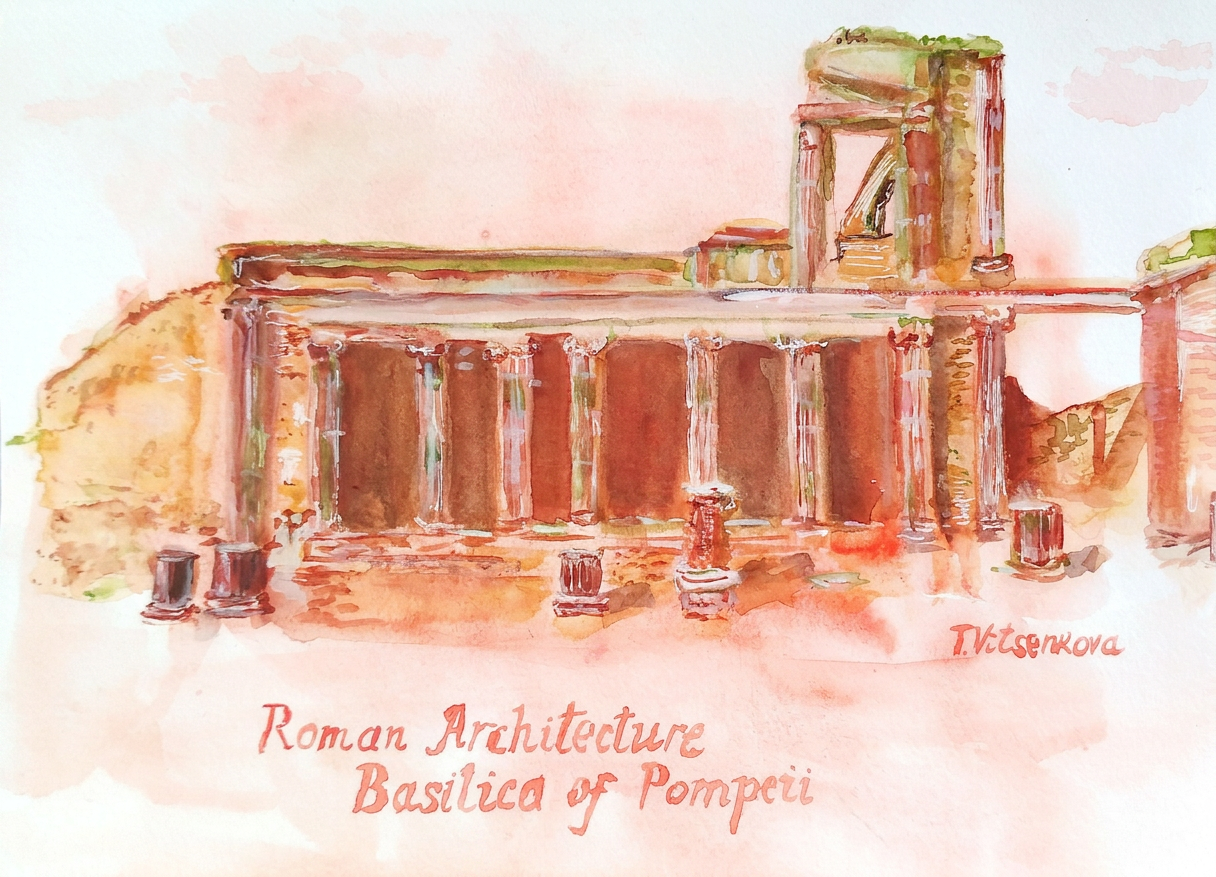
4-3.Art and Travel. The Capitolium and Basilica of Pompeii.

An Artist's Perspective on Roman Architecture, Roman Architecture, Uncategorized

Watercolor journey in the course Roman Architecture by the Yale University.

I continue the painting in the course Roman Architecture + the city of Rome with Yale’s course Roman Architecture https://www.coursera.org/learn/roman-architecture.

C. 4-3

All roads lead to Rome- Alain de Lille

Bon voyage! Until the next travel:)

https://www.coursera.org/learn/roman-architecture/home/welcome

← Back

Thank you for your response. ✨

Name
Email
Your message

Δ document.getElementById( "ak_js_9" ).setAttribute( "value", ( new Date() ).getTime() );

Athens Uncovered: Coffee, Culture, and Creativity

ArtTravel

Athens, the city I adore—and occasionally side‑eye.

Cafes and restaurants: Taf Coffee

In Athens, coffee isn’t just a drink, it’s a way of life, a national sport, and possibly a local religion – it’s literally on every corner. If you’re anything like me, the chance to sit down with a cup and shamelessly people‑watch is one of the main joys of traveling. And since coffee shops in Athens are basically as common as traffic lights, I managed to stay both happily caffeinated and thoroughly entertained.
Taf is one of the city’s main coffee roasters and the pride of many a barista. Their coffee map spans a wide range of regions and beans with all sorts of processing methods – it’s like a world tour, but for your taste buds. You’ll find Taf beans in some of the most cutting‑edge bars in Athens, like Millybird House, which, conveniently, is only a five‑minute walk from the Goulandris Museum. Culture for the mind, specialty coffee for the soul.
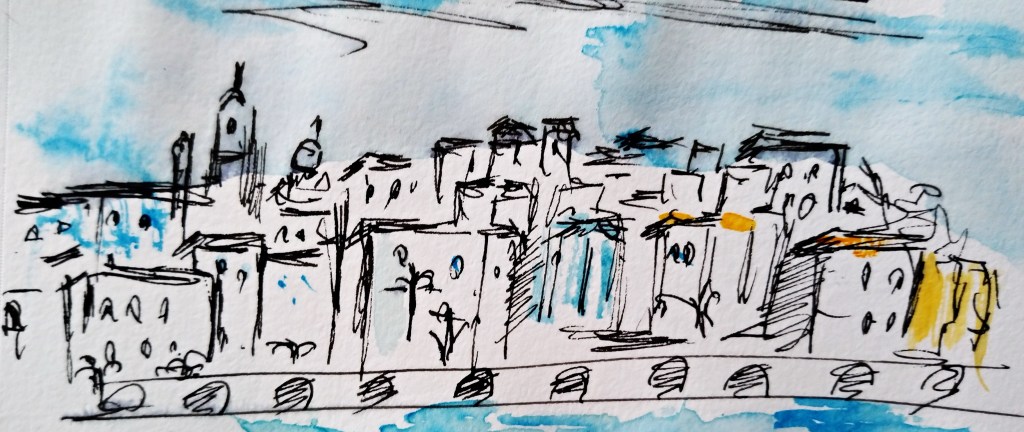
Sights of Athens – this is where civilization decided to make its grand debut. Here you’ll discover what everyday life was like in the distant past and realize just how much ancient Greek culture still shapes our world. You’ll listen to captivating myths, admire jaw‑dropping architectural monuments, and probably catch yourself wondering how a city can be this old and yet this charming – and why it’s so easy to fall a little bit in love with it.

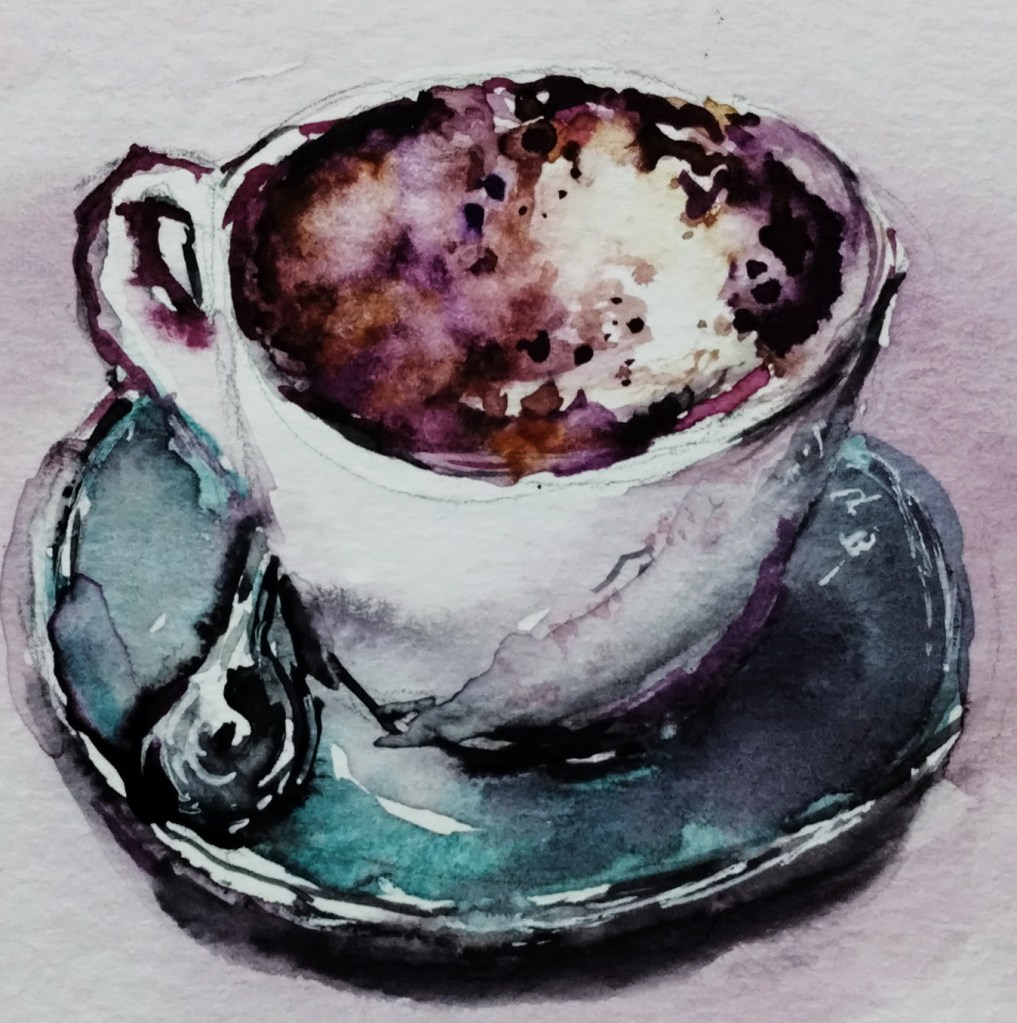
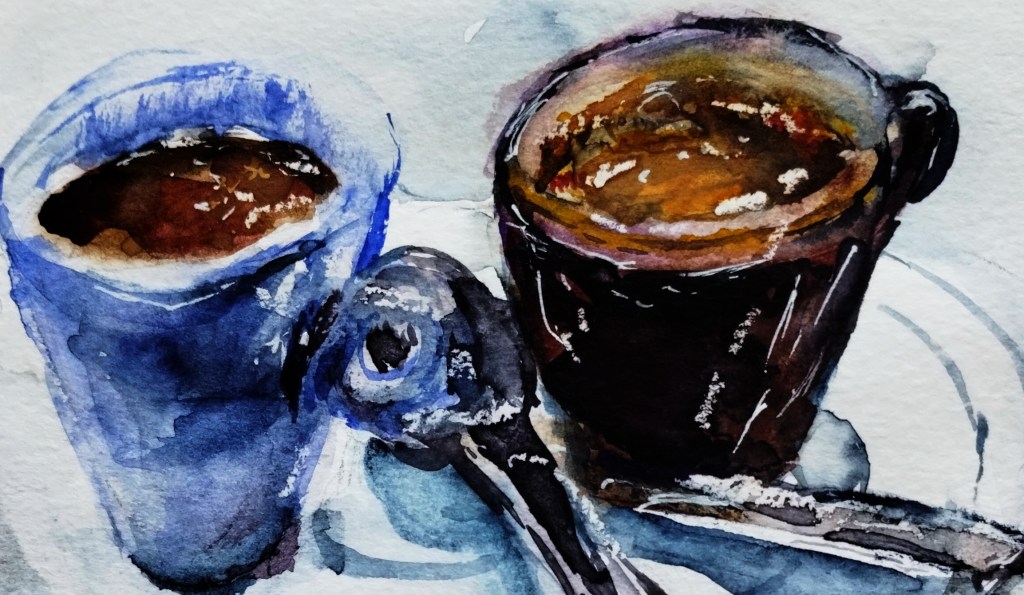
Watercolor painting of deep coffee

One minute you’re walking past a crumbling neoclassical balcony with laundry flapping like national flags of Chaos, the next you stumble into a rooftop bar where half the crowd looks like they’re on break from an art residency and the other half from a philosophy podcast. Graffiti here isn’t decoration; it’s an extreme sport, clinging to every available surface, including spots where you’re honestly not sure how a human even got up there. And just when you think you’ve had enough, the light hits the city in that smug golden way at sunset, someone’s uncle starts singing at a taverna, and you remember exactly why you’ll always forgive Athens for everything.

Nobody saw this coming. Anyone used to “civilized” Europe is in no way ready for the fact that Athens is way more than sirtaki and souvlaki, postcard grandpas with coffee and rosary beads, and an Acropolis forever posing in the sun. Modern Athens is like a gifted but moody teenager: bursting with energy, constantly up to something, and yet somehow always “forgetting” to clean their room. In the last few years, a flood of cool new spots has opened in Athens, and the “cultural program” is now so packed you might need a vacation from your vacation. The city wakes up late, downs a freddo espresso like it’s an Olympic sport, then spends the rest of the day honking, laughing, and double‑parking in places physics never intended. Streets change direction without warning, Google Maps just shrugs, and somehow everyone still arrives exactly on time—which in Athens means anywhere within a 45‑minute window.

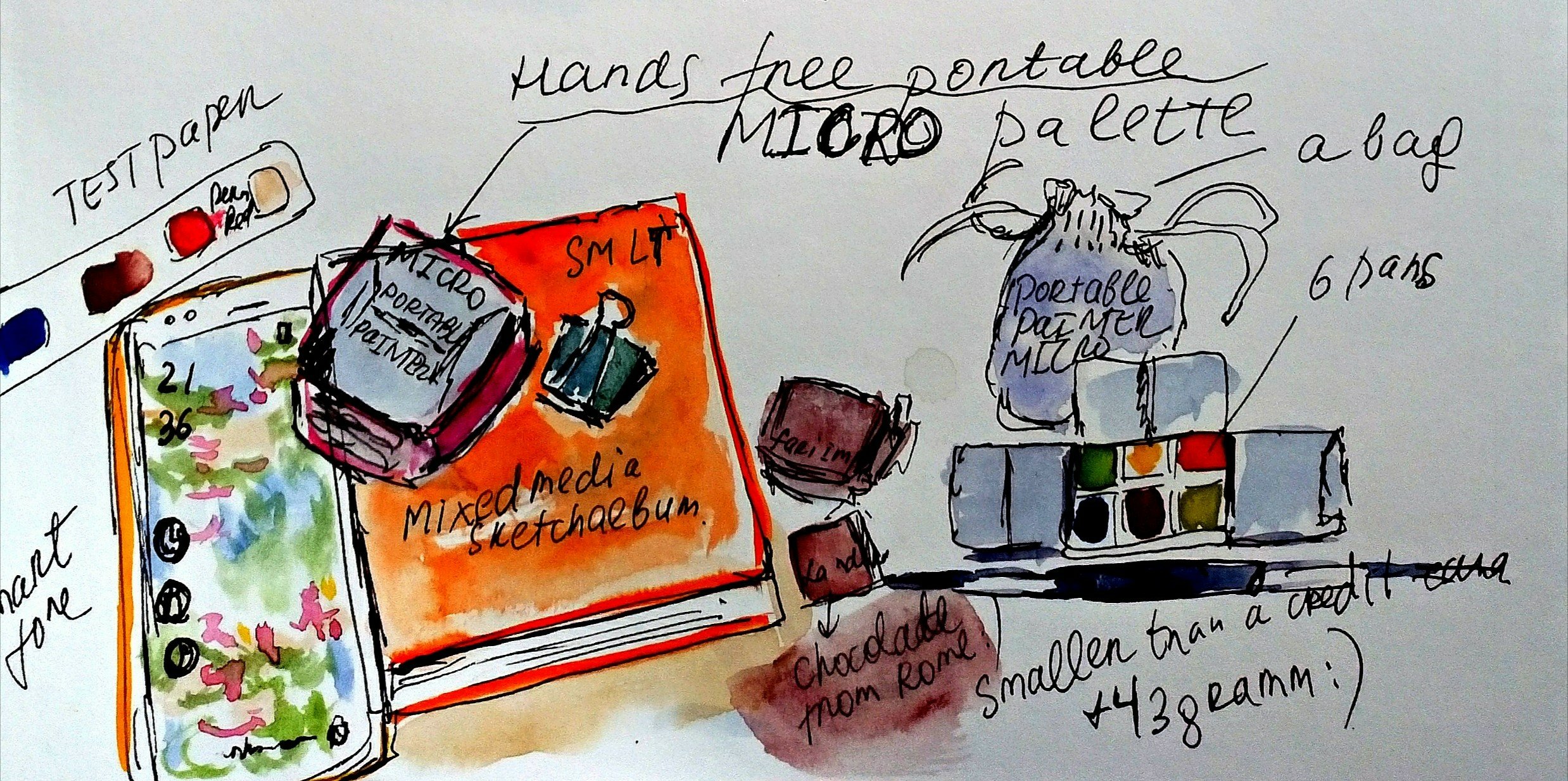
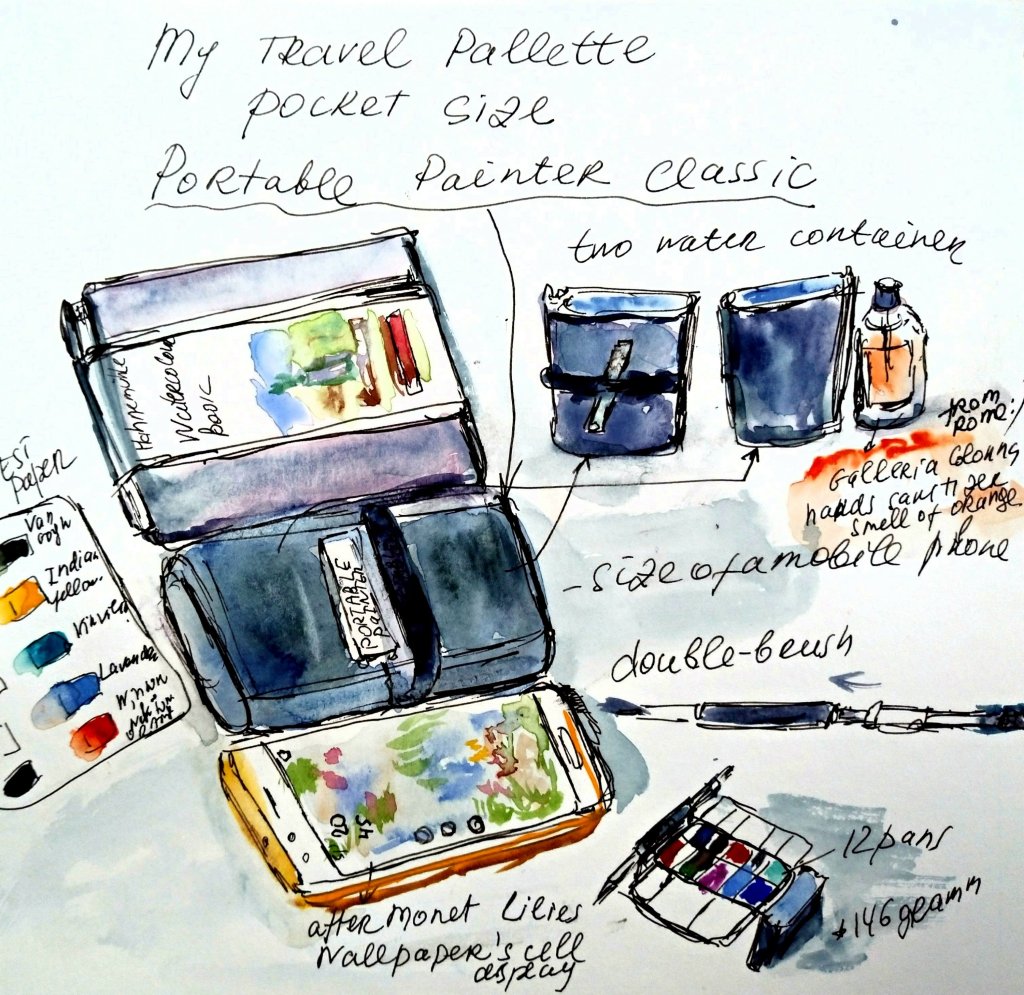
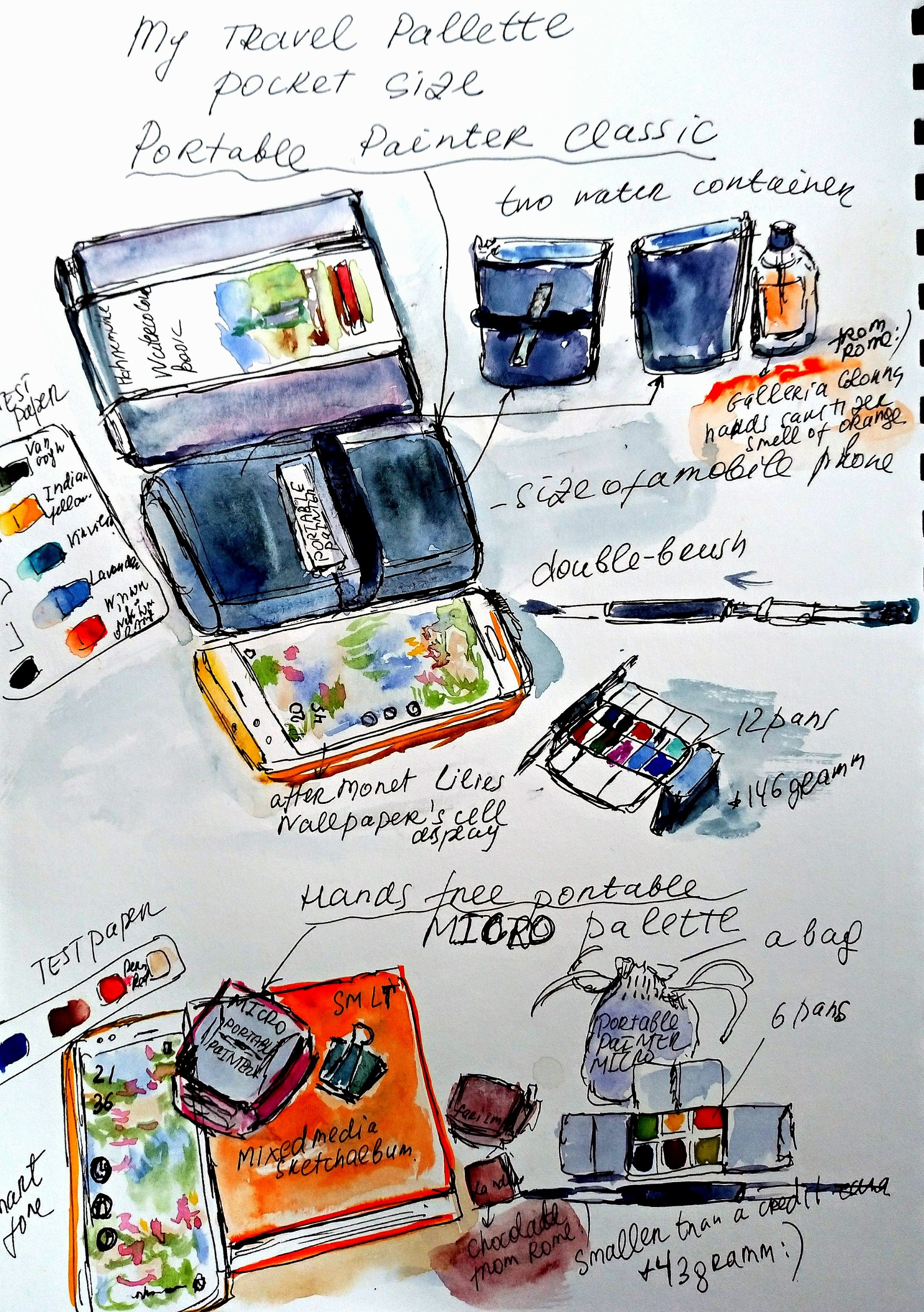
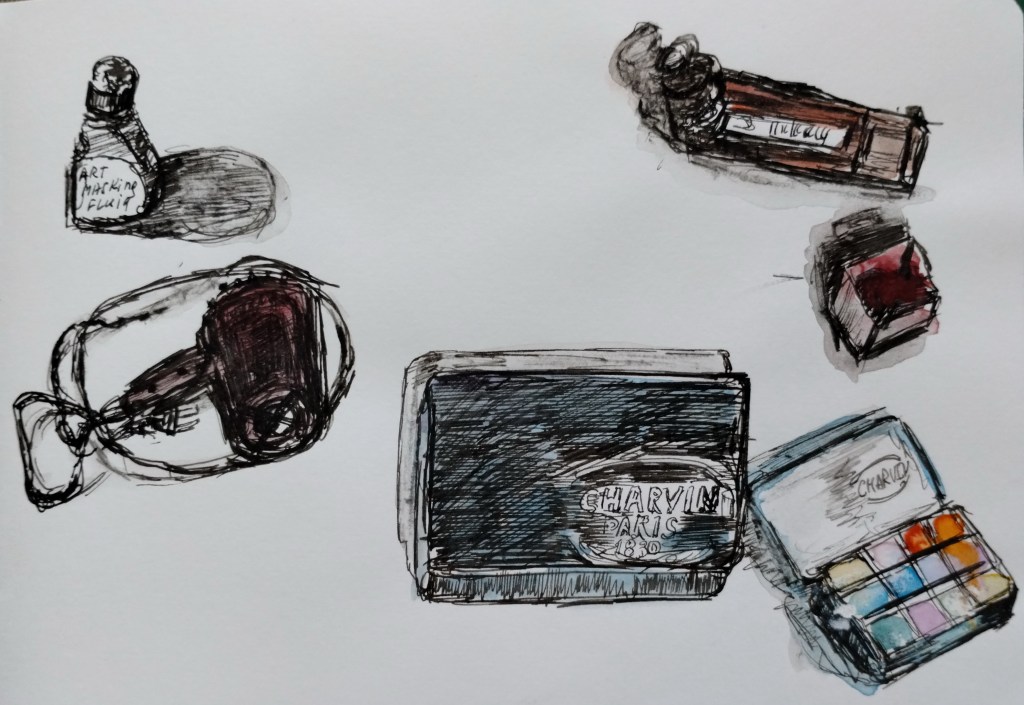
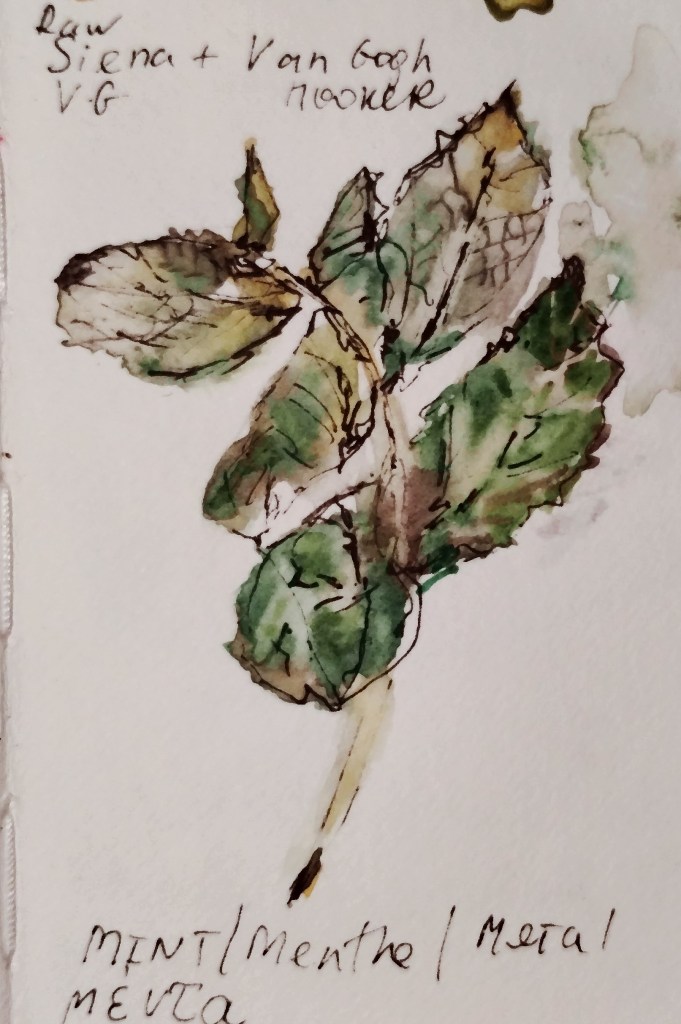
Once I figured that out, though, their tiny size and feather-light weight totally won me over. I even did a quick sketch of my favorite travel palettes, complete with arrows pointing to all the little parts and what they’re for, like a nerdy art-science diagram.

Before my trip, I bought two new palettes, because obviously what an artist really needs before traveling is more fragile, colorful rectangles. I’ll admit it: I actually needed instructions on how to open them at first :)

Naturally, I decided to paint these “extras” into my sketches too, to show the size of my travel art supplies compared to my smartphone—plus a little piece of chocolate and a travel bottle of hand sanitizer, both sweet souvenirs brought from Rome by our daughter.

The whole setup made my sketchbook page look like a field guide to a very specific species of traveling artist, whose natural habitat is airport gates and café corners. I kept imagining a museum placard under the drawing: “Artistus itinerans, observed in the wild, carrying three times more paint than socks.” The Roman hand sanitizer felt very sophisticated—like, yes, my germs are now blessed by history and archaeology. Meanwhile, the chocolate didn’t last long enough to be a reliable size reference, so I had to redraw it from memory, which is maybe the most honest kind of food illustration there is. By the time I finished, I’d basically created a love letter to all the ridiculous little things I insist on bringing along ‘just in case inspiration strikes’…which, let’s be honest, it usually does right when there’s no sink, no table, and definitely no extra chocolate.


What about you—have you ever been to Athens, and what stayed with you most from your time there?

← Back

Thank you for your response. ✨

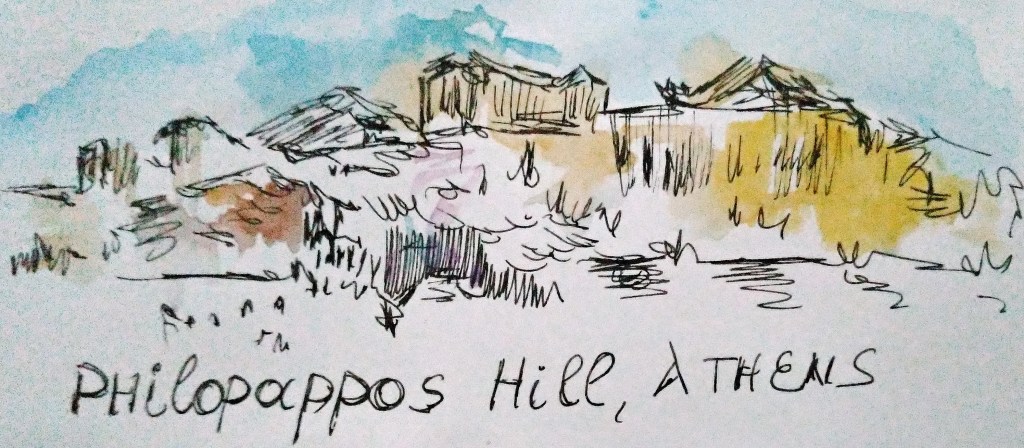
My Greek Travel and Art. Philopappou Hill, dreams and art about Muses, architecture and cuisine on the Hill of the Nymphs, Athens

Artist, ArtTravel, Greece, Uncategorized, Urban sketching

“I love the way the Greeks have squeezed so much out of everything they have: oil from olive, wine from the grape, ouzo from ouzo is made from-I don’t know and I don’t care; I’ll drink it-feta cheese from sheep’s milk and salt, mosaic from pebbles, temples from stone.”

Mary Norris “Greek to me”

Exploring the Hill of Muses, ancient ruins

Let’s start a new story about Athens, its fair tale place in the ancient city. Philopappou Hill or Hill of the Muses is the forested hilltop with full view of the Parthenon.

Here artists and poets are drawing the inspiration and creativity while watching the Acropolis. Its marble seems soft pink in the setting sun. I called it the romantic and nature Atelier in the ancient city.

Would you like a cup of coffee while reading my story?:) As Greek saying about coffee: it is a way of Life.

Athens’ morning – Coffee in Greece: A Way Of Life

The Hill is close to the famous Monastiraki neighbourhood and Acropolis, has convenient location in the city and easy to walk for enjoyable atmosphere.

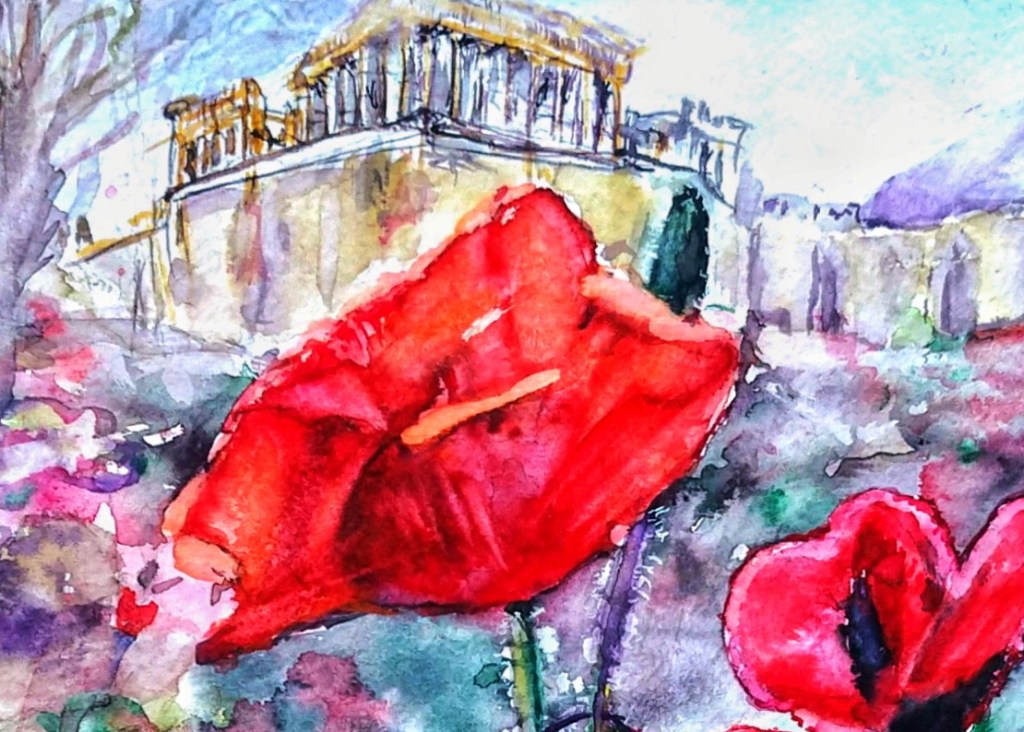
Like Greeks, I was ready to absorb everything the Hill of Muses is providing: the view of the Acropolis, the sunset behind the ancient city, the smell of olive trees that are growing all over the hill, the red poppies and the stones of ancient monuments and many narrow paths leading up to top’s hill of Muses where is located the monument of Prince Philopappo.

The Hill has even Prison of Socrates and ancient ruins on of the classical 5th century BC Themistoclean Wall.

Why the Hill’s second name Hill of Muses or Nymphs?

Apparently, the hill is also known as Hill of the Muses because it is believed to have been a place where the ancient Greeks worshipped the nine Muses, the goddesses of the arts and sciences. Voila!

Before a trip to Greece, I have read Theoi Project, the website exploring Greek mythology and the gods in classical literature and art. I definitely recommend this website to anyone who is interested in legends, its link is included in the post.

The Hill in spring is full of poppies, beautiful, bright and tender. Hmm… interesting thought. How can the hill of Muses whose mother was Mnemosyne, the titan goddess of Memory and Remembrance, be strewn with poppies, flowers of oblivion? :)

The nine muses from Greek mythology are patrons of the creativity. They are inspiring all sorts of discoveries and creations, from science to drama. Inspiration is something mystical, intangible, encompassing an actor, a writer, an inventor, and a scientist.

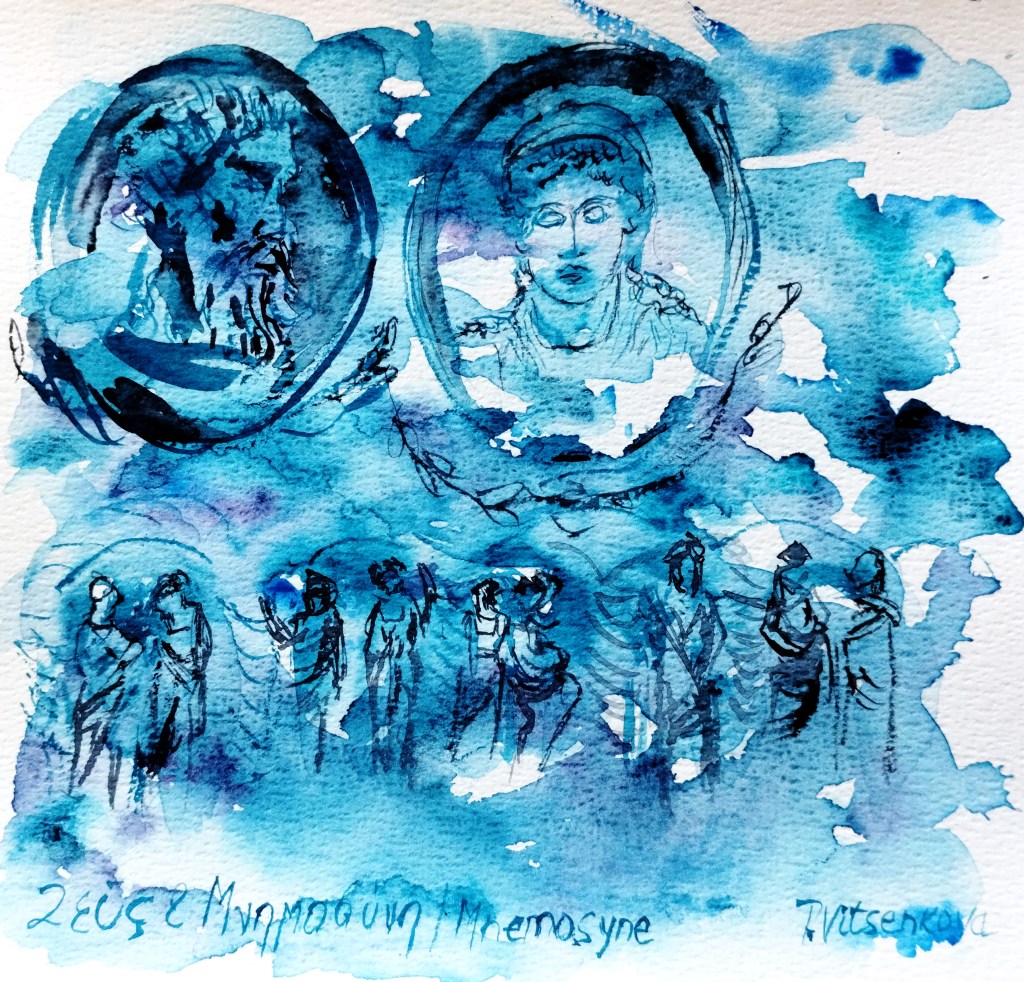
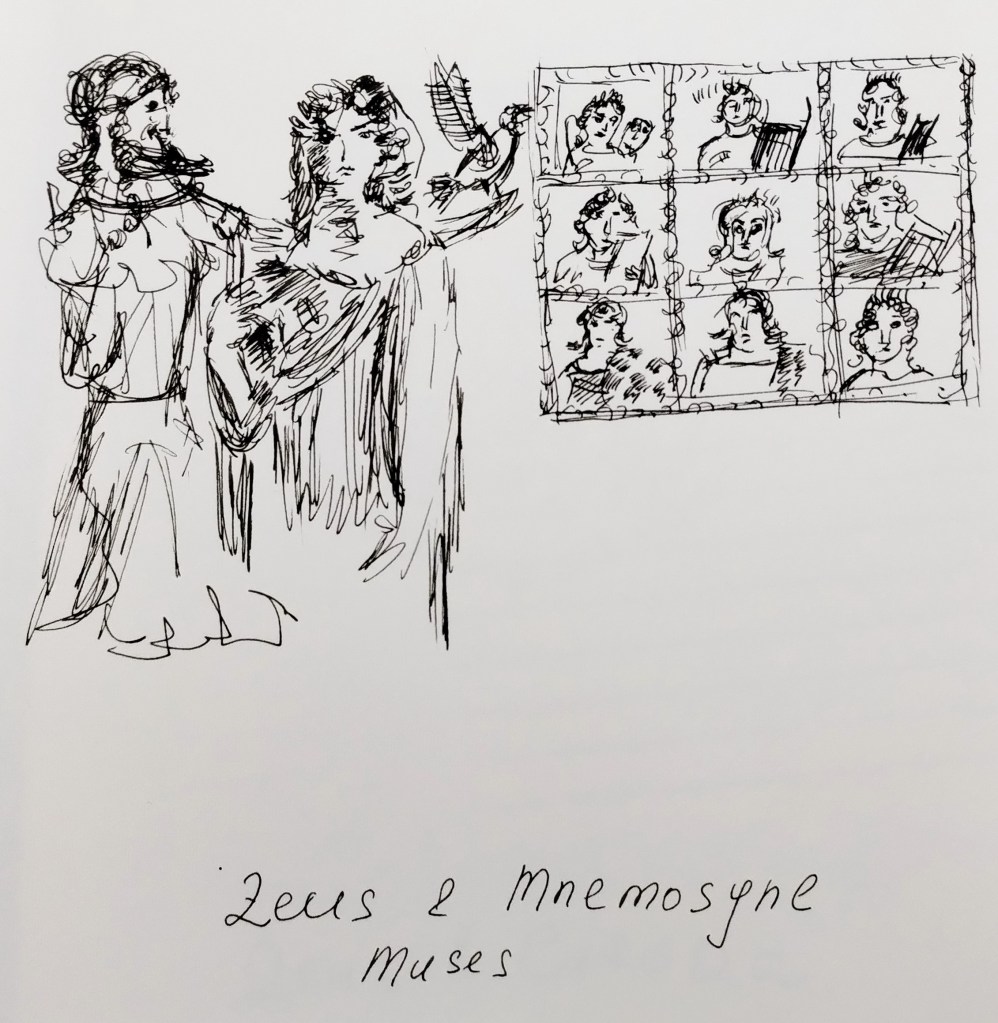
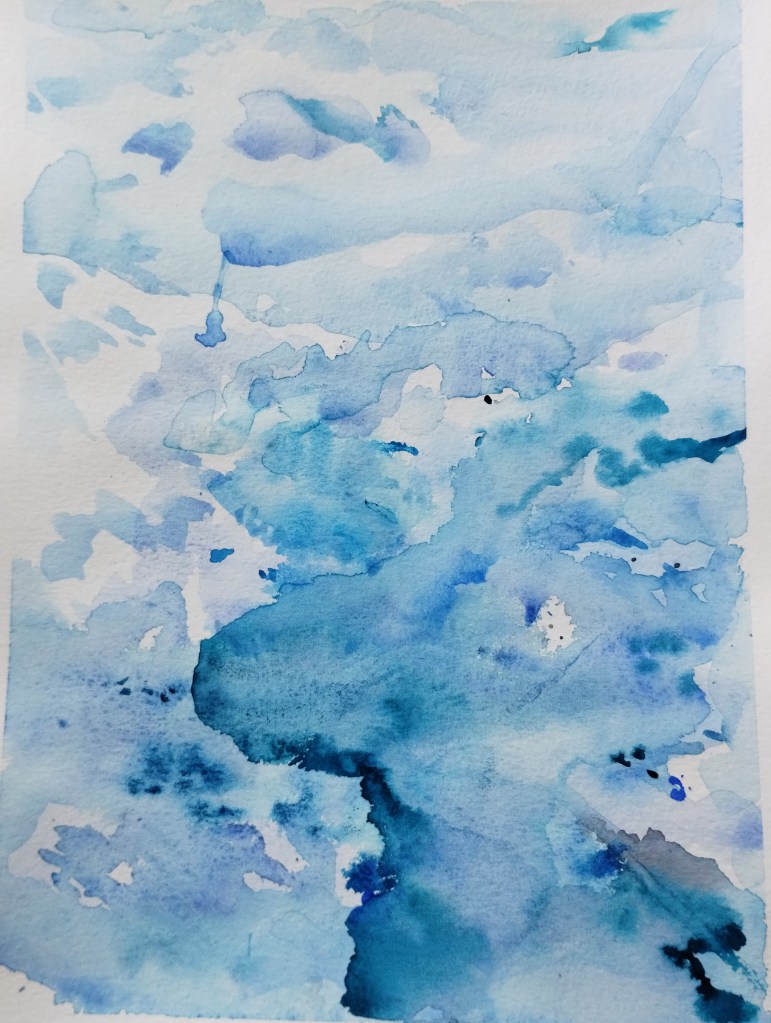
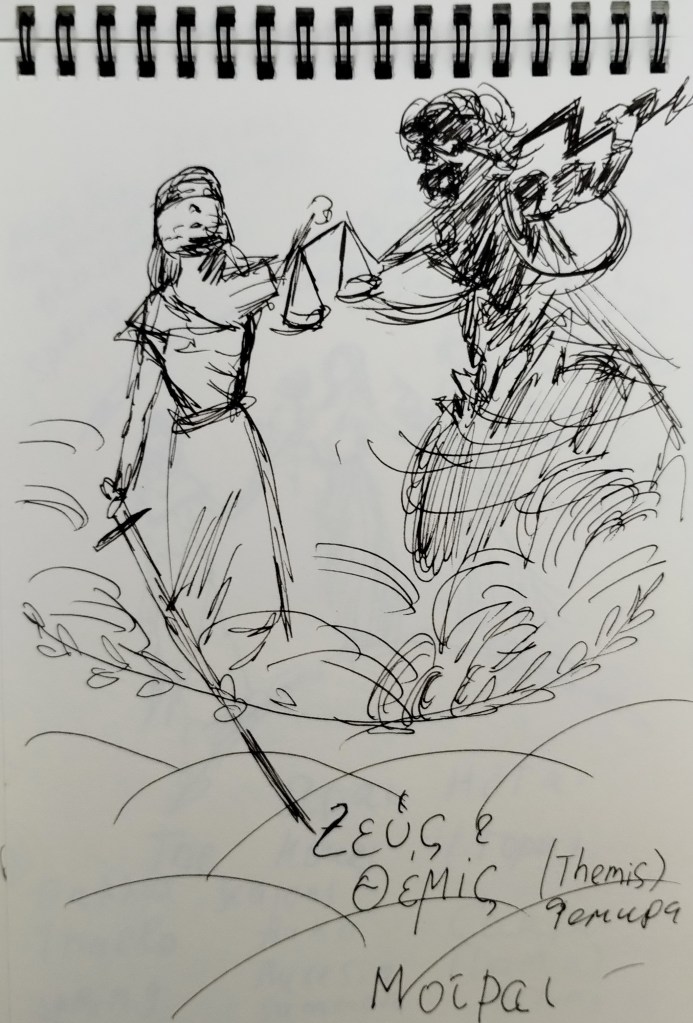
The muses give us the chosen ones new impulses and aspirations, the pangs of creativity and love, recognition and celebrity, sometimes purely and disinterestedly, and sometimes at the cost of sacrifice and complete giving up of important things. I immersed in the captivating world of metamorphosis as Zeus and Mnemosyne with their daughters from Athens’ sky and clouds.

The Muses were the goddesses of music, song and dance, and the source of inspiration to poets. They were also goddesses of knowledge, who remembered all things that had come to pass. Later the Muses were assigned specific artistic spheres: Kalliope (Calliope), epic poetry; Kleio (Clio), history; Ourania (Urania), astronomy; Thaleia (Thalia), comedy; Melpomene, tragedy; Polymnia (Polyhymnia), religious hymns; Erato, erotic poetry; Euterpe, lyric poetry; and Terpsikhore (Terpsichore), choral song and dance.

I have only one question Why there is no Muse for the artists?:)

I created this series of Muses in Athens, thanks to the city’s inspiration and particularly Hill of Muses:)

Mnemosyne and Zeus’ nine daughters, I sketched it from Mosaic depicting the nine muses from Augusta Treverorum, colossal mosaic, a breathtaking epitome of artistic excellence, epitomizes the enchanting power of the nine muses.

There is the grace and allure of each muse.

Greek Culinary Delights

My family was visiting the Hill of Muses several times during our trip. We were feeling relaxed after busy days, it gave us inspiration and delight to our eyes, smell, even tactility:) I touched olives, poppies, the first spring green leaves of olive trees, listened to the sounds of birds and enjoyed white wine and the desserts in the restaurant Dionysos Zonar’s, its link will be provided is this post.

Do you know if you can eat olives directly from the trees? I even picked one olive from the tree, it was very hard with bitter taste:) Apparently, to obtain a delicious snack, olives and olives are soaked for a long time and then salted or pickled. It should be done in September not in spring time but it was a funny experiment:)

Talking about traditional Greek culinary, I love poppy seeds for their distinctive flavor and simply irresistible crunch.

From my childhood I remember enjoying the baked goods with poppy seeds in the mix my mom used to cook. My favourite one was the old world poppy seed rolls…

My advice to anyone visiting or living in Athens, just let you to be reach the beauty and artistry of the Hill of Muses, imagine yourself in the company with these mystical creations. Maybe the muses will guide your own creativity and unlimited inspiration.

What are your experiences or thoughts about the Hill of Muses?:)

Bon voyage! Until the next travel:) Stay healthy.

All paintings belong to the author. No image is to be copied without permission.

Links

https://artsandculture.google.com/story/mosaic-of-the-muses/nwUhQmZJFCViIg

Theoi Project, a site exploring Greek mythology and the gods in classical literature and art link is below:

https://www.theoi.com/Ouranios/Mousai.html

Dionysos Zonar’s restaurant link:

https://dionysoszonars.gr/

Tools used for my painting. Watercolour brands Van Gogh and Cotman. Paper Canson Mix Media album 28×35 cm (11×14 in.) and Canson Watercolour album 25×35 cm (11 x15 in.)

← Back

Thank you for your response. ✨

Name
Email
Your message

Δ document.getElementById( "ak_js_11" ).setAttribute( "value", ( new Date() ).getTime() );

My Greek travel and art. Benaki museum

Artist, ArtTravel, Greece, Uncategorized, Urban sketching

“Greek to me” by Mary Norris

“The Benaki is Museum in Athens, one of the best museums in Greece, the Alexandrian Greek Antonis Benakis, who donated his building and his family’s house to the state…Anyone who loves language loves the alphabet… Instead of apples and bananas and cats, the book’s illustrations are pieces from the collection of the Benaki; alpha is for airplane (αεροπλάνο ), beta is for book (βιβλίο), gamma is for gorgon (γοργόνα).”

I am going to share my first impression from the ancient city Athens with you in this post. It has been in the back drawer for more than a year, but now is the time! Even if you are not going to Greece, read it over coffee – it gives you the feeling that you are walking along the pavements of an ancient city.

The Benaki museum is one of interesting places in Athens Kerameikos neighbourhood, I suggest going for their cafe on the terrace to enjoy the view while sipping the Greek coffee: and enjoy the classical falafel with peppermint as species.

It was so unusual and unexpected that our first thing to do in Athens was the Benaki museum vs. Acropolis or others #1 from the recommended lists for travellers. I have read about Benaki museum in the book “Greek to me” by Mary Norris. And Benaki Museum appears one of my favourite museum of Greek culture.

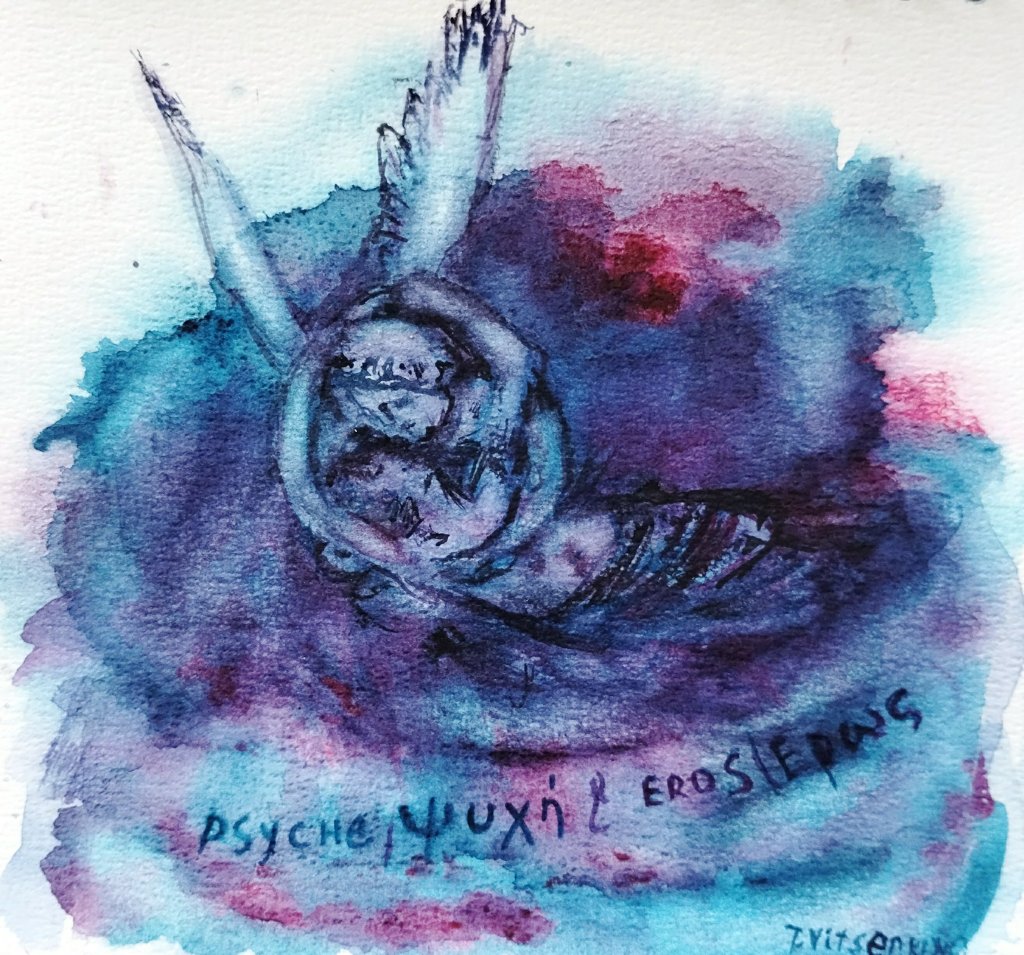
From the rich collection of Prehistoric, Ancient Green and Roman, one of the museum’s statue that impressed me was Eros and Psyche, and the myth telling about about truly love. The bone plaque with a relief representation that repeats the Hellenistic combination of Eros and Psyche was one of my highlight for that day. The myths of ancient Greece have inspired countless artists over the centuries. From Renaissance artists to modern filmmakers, Psyche and Eros (or “Cupid”) have served as sources of inspiration and have been represented in many great and sometimes lesser works of art in many variations. My art is about metamorphosis of sky and clouds on that sunny day that transformed to Psyche and Eros:)

The Legend of Psyche and Eros is a touching love story gifted to the world by the rich Greek mythology.

Athens has everything I enjoy in my life – top level museums, homemade great food with aroma species, ancient statues and architecture, rich music concerts, some luxury, shopping, a young street life and lovely musical language of Ellada.

Spring in Athens is so beautiful! Especially if you equip yourself with the right guide and know where to watch the sunset, where to drink wine and what museums not to miss and where to go in the area.

” With it rank upon rank of icons and its collections of sculpture, pottery, jewelry, silver – from the archaic to the modern -the Benaki is a world-class museum

“Greek to me” by Mary Norris

Bon voyage! Until the next travel:) Stay healthy.

All paintings belong to the author. No image is to be copied without permission.

Links

Benaki museum https://www.benaki.org/index.php?lang=en

cafe in Benaki museum https://www.dipnosofistirion.gr/en/benaki-museum-restaurant-cafe/

← Back

Thank you for your response. ✨

A Journey Through Greece: Senses and Sketches

Art workshops, ArtTravel, Greece, Urban sketching, Voyage

“I love to fly, especially this moment, The plane is getting ready, charging runway, the engine is screaming, the pressure is rising, you’re back in the seat and you are in air – Everything is behind you.”

Kevin Kline and Meg Ryan, chat in the Take off scene in the movie French kiss

Why do people love travelling, airports, and obsessively planning their next vacation months in advance? Because deep down, everyone wants an educational cultural journey packed with art, architecture, fresh air, and a whole collection of brand-new emotions—plus the minor detail of escaping their everyday problems and pretending life admin doesn’t exist for a while.

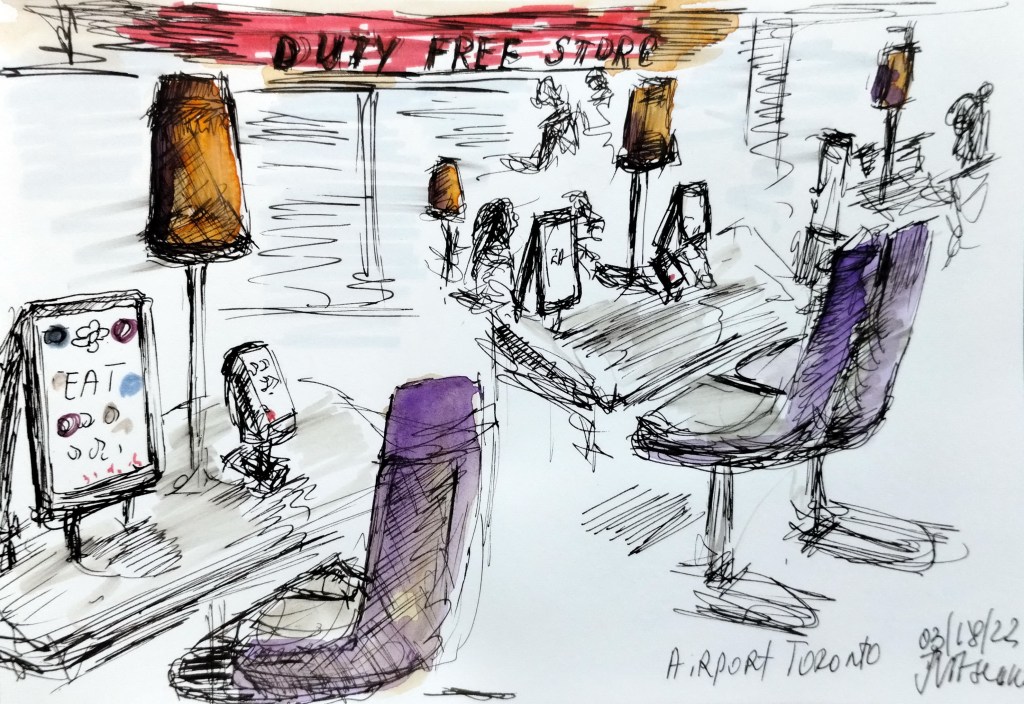
The moment you arrive at the airport, you’re no longer fully in your home country, but you’re not in the next one yet either—you’re floating in that magical limbo called “duty-free territory,” where time, money, and calories don’t really count. The air buzzes with a wild cocktail of cultures, customs, and nationalities, all politely trying to figure out how boarding groups work.

On the road or at any airport—especially during international flights—the unspoken rule is that you’re allowed to talk to your temporary neighbours as if you’ve known them for years, then never see them again. One minute you’re discussing life goals with a stranger; the next, you’re both pretending not to know each other at baggage claim.

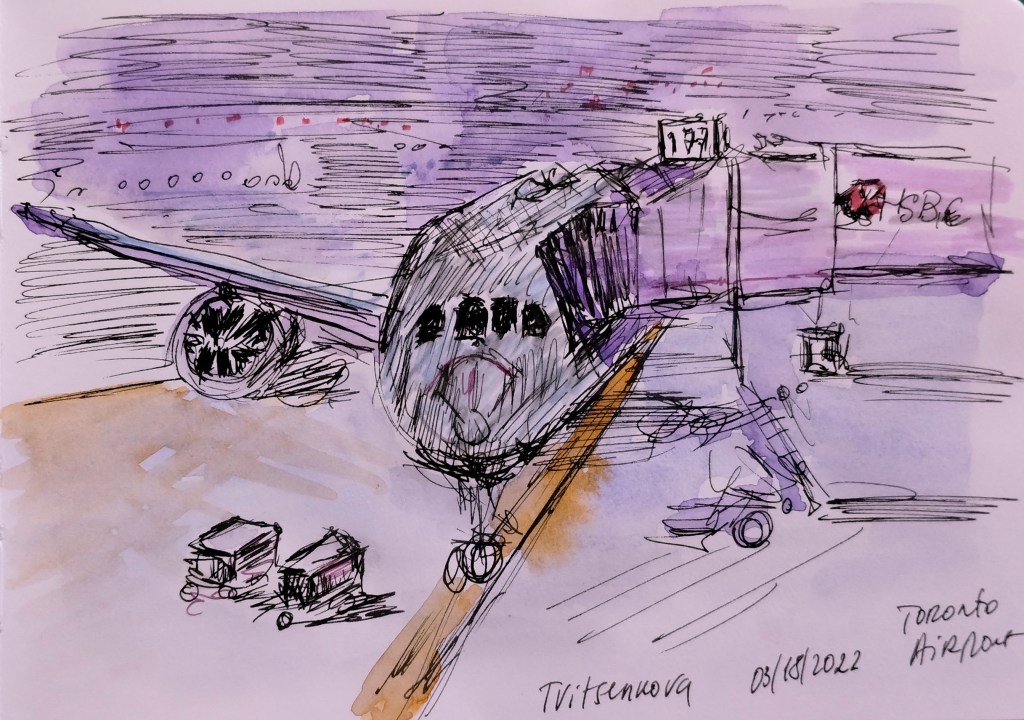
Airport services make this whole experience dangerously convenient. You can order your favourite food right to your gate while you chat with people from all over the world, or you can go full introspective artist and enjoy some quiet time painting—a view of the gate, for instance, or the runway outside the window—carefully sketching it all in your travel book like a wandering creative genius between flights.

This time, I set my sights on Greece—because if you’re going to get lost, it might as well be among ruins and beaches. I made a very ambitious list of places to visit and, naturally, we ended up saving most of them for “next time” and, let’s be honest, probably for the rest of our lives :)

Five senses – touch, smell, sight, hearing and taste lead us to knowledge of the country, its customs, people, cuisine and us. This is why I love travel and art.

Touch flowers and their velvet petals

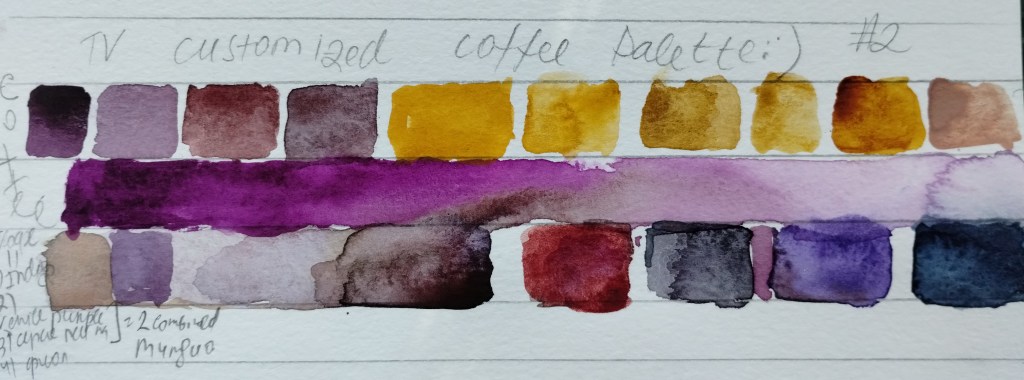
Smell coffee and paint it in any location, urban and museums’ cafes using my customized coffee palette

Sight. Enjoy Athens and other places’ architecture, blue sea and sky as combination of Ellada’s beauty. Only in Greece, when I am looking at the sky and clouds, I imagine ancient Greek myths and their gods’ adventures…and you?:)

Hearing. Listen to music of Yanni instrumental music, the pianist, composer and one of the kindest musician in the world, enjoying the voice of Maria Callas’ in Tosca, the unique and intriguing Butterfly and of course the Traviata epic, one of the great modern sopranos Helena Paparizou and … Athens’ cats, loved and adored by locals and tourists, saying (or singing) majuu when you are passing by:)

Taste. Enjoy traditional bread and Greek food with aroma of Mediterranean spices.

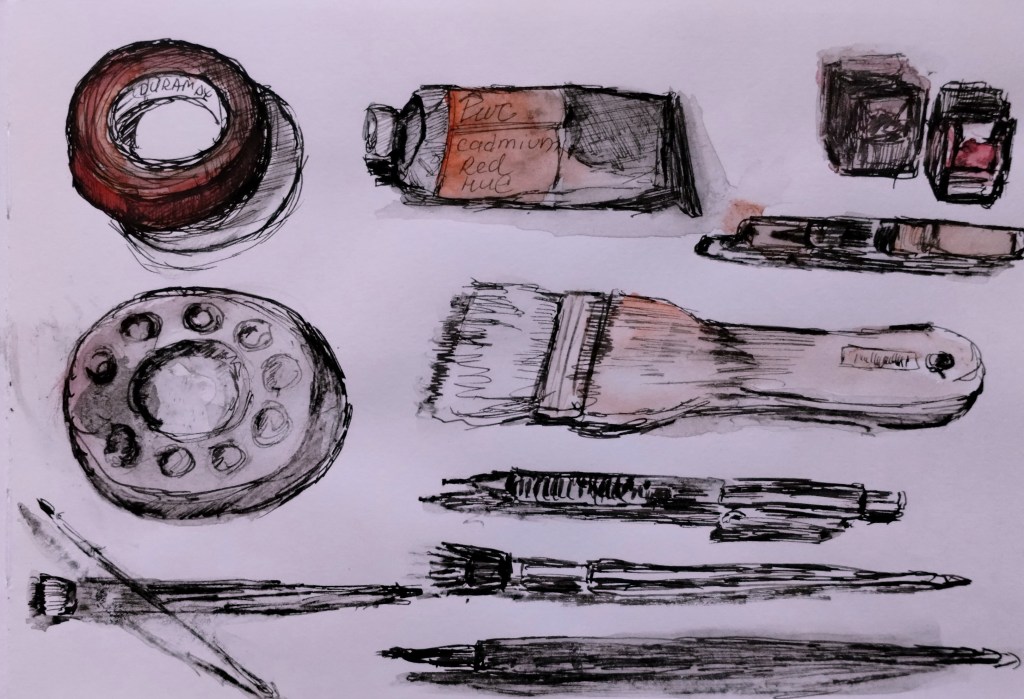
Usually I am doing artistic warm up exercise at home, foretasting new feelings of smell, taste, hearing, sight and touch while preparing my palette and tools that will be my partners in the journey. For my Greek trip I prepared customized Ellada palette, with specific blue colours for sky and sea, ochre and sienna for tender colours of columns, for spring flowers I added some reds, pink and violets and…special palette for coffee:) Yep coffee in Greece is the mysterious action.

Looking forward to new exciting days of Art and Travel club in Greece!

#creating goodmood paintings

Bon voyage! Until the next travel:)

All paintings belong to the author. No image is to be copied without permission.

Links

https://www.yanni.com/

https://www.maria-callas.com/en/

Tools used for my painting. Watercolour brands Van Gogh and Cotman. Paper Canson Mix Media album 28×35 cm (11×14 in.) and Canson Watercolour album 25×35 cm (11 x 15 in.)

← Back

Thank you for your response. ✨

Name
Email
Your message

Δ document.getElementById( "ak_js_13" ).setAttribute( "value", ( new Date() ).getTime() );

The last Inktober Day 31 – Risk and some conclusions:)

Artist, ink, Uncategorized

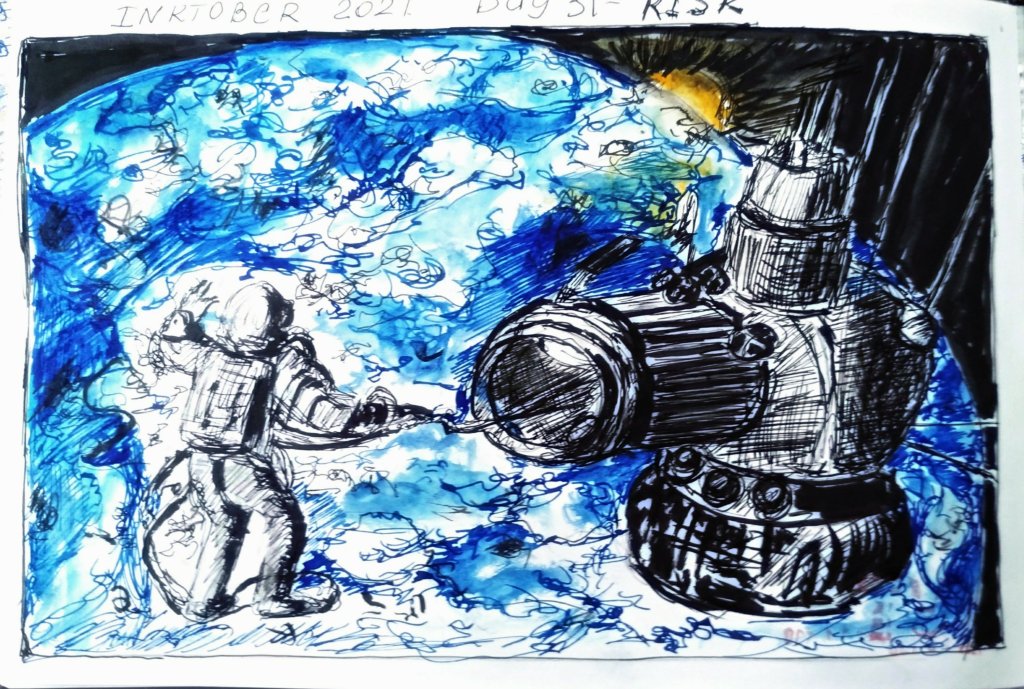
Travel and Art based on Inktober 31 days=31 drawings fun challenge. The last Inktober 2021 prompt is Risk.

For this prompt I did the ink drawing of the First Spasewalk by Alexei Leonov in 1965 in spacecraft Vostok-2. It was not only First space walk but an act of bravery of a human. The first of the earthlings to go out into outer space may well have failed to return to their home planet… In addition, Leonov was the artist and did his space’s paintings right on a space ship looking outside to the Earth!:) There couple links about Alexei Leonov, the artist and the astronaut are below.

https://thestatussymbol.com/en/the-first-painter-in-the-universe/

https://www.bbc.co.uk/news/special/2014/newsspec_9035/index.html

My favorite expression is “Risk is a noble cause:) All astronauts are Heroes and romantics at the same time:) There is a movie Spacewalk (2017) with English sibtitles.Highly recommend it.

This was the last of Inktober 2021 prompts’ ink drawing. It was the 1st year of participating in the challenge and I finished all 31 prompts for Inktober 2021. Well, did I learnt something from this Challenge? It was easy? Did I enjoy the process? Will I do it again in future, the same way or differently? First of all, I’ve learnt some new English words:) Secondly, an ink drawings was my quite rare tool before. Usually I am painting with watercolour and oil. My progress is better that I even expected, and next, I am glad that I didn’t check it out other artists’ drawings for a prompt before I painted. It was a good decision do not mix it with my own ideas about a subject, and it was interesting to see other ideas afterwords. As an example, prompt Connect I did completely different from my collegues:))) And mainly, during Inktober I was “travelling” through my memory, dreams, our vacation photos in France, Spain, Italy, USA, Canada, Belarus, Germany, Greece and travelling with Time Machine and Space (imaginary!:). And all my Inktober ink drawings are telling their own stories and dreaming about some future advantages, and in future I will do my daily sketches with my new favourite tool Ink!:). The main conclusion, I love this challenge, a little bit proud that I didn’t stop in the middle of the month (it was not easy for me and distiplinary challenge:), and I will do Inktober and other Challenges in the following years.

Here is the official site with 2021 prompts and rules https://inktober.com/

Bon voyage! Stay healthy.

All paintings belong to the author. No image is to be copied without permission.

You can visit my personal website pages here and find out more about the artwork I am offering in oil and watercolor paintings; purchase canvas prints, framed prints, and more artwork.

My favourite art store in Toronto Deserres, Spadina Ave

← Back

Thank you for your response. ✨

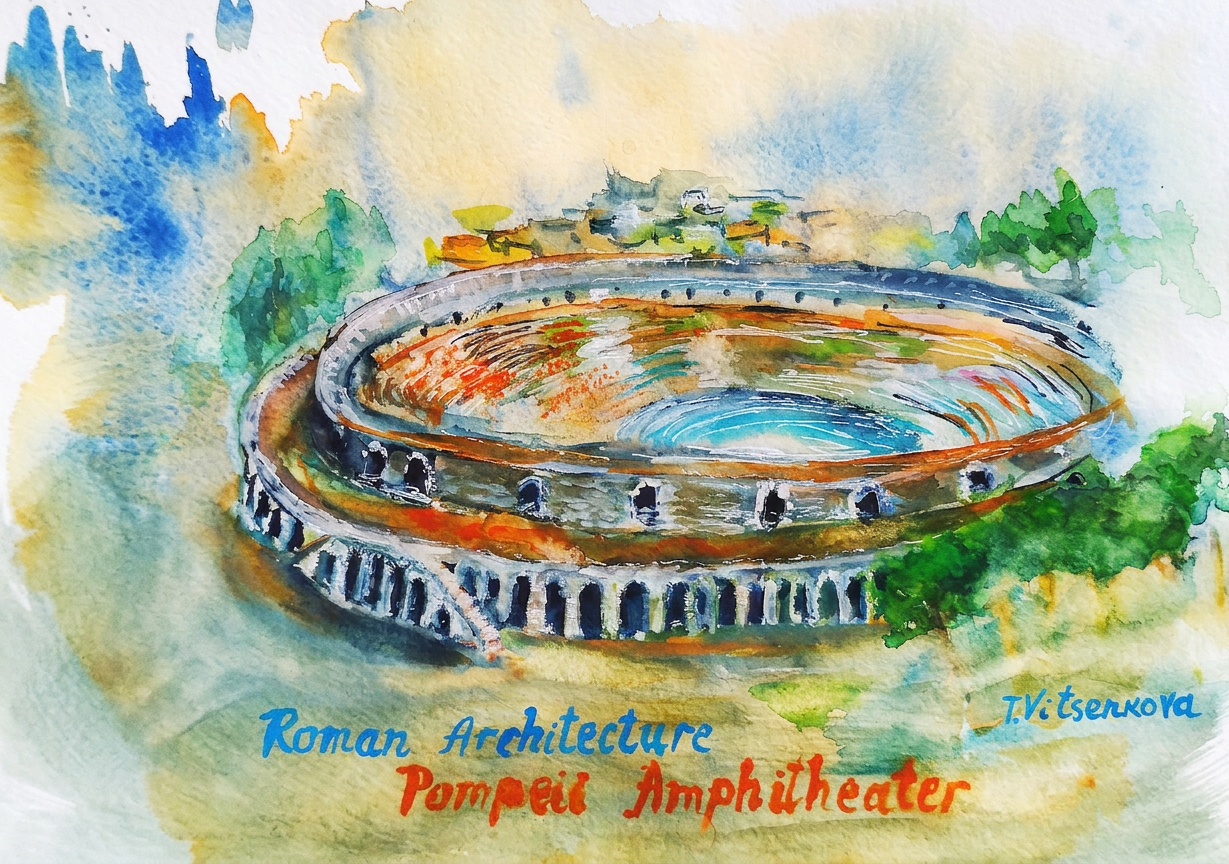
4-4.Art and Travel. Pompeii’s Entertainment District: The Amphitheater, Theater, and Music Hall.

Artist, Roman Architecture, Uncategorized

Watercolor journey in the course Roman Architecture by the Yale University.

All roads lead to Rome – Alain de Lille

https://www.coursera.org/learn/roman-architecture/home/welcome

← Back

Thank you for your response. ✨

Name
Email
Your message

Δ document.getElementById( "ak_js_15" ).setAttribute( "value", ( new Date() ).getTime() );

4-1.Art and Travel. Introduction to Pompeii and the City’s History.

Artist, Roman Architecture, Uncategorized, Urban sketching, Voyage

Watercolor journey with the course Roman Architecture by the Yale University.

All roads lead to Rome – Alain de Lille

Bon voyage! Until the next travel:)

https://www.coursera.org/learn/roman-architecture/home/welcome

← Back

Thank you for your response. ✨

Name
Email
Your message

Δ document.getElementById( "ak_js_16" ).setAttribute( "value", ( new Date() ).getTime() );

3-3.Art and Travel. Sanctuaries and the expressive potential of Roman concrete construction.

Artist, Roman Architecture, Uncategorized, Urban sketching, Voyage

Watercolor journey with the course Roman Architecture by the Yale University.

I continue the paintings after the course Roman Architecture + the city of Rome with Yale’s course Roman Architecture https://www.coursera.org/learn/roman-architecture.

Sanctuaries and the expressive potential of Roman concrete construction. 3-3

All roads lead to Rome – Alain de Lille

https://www.coursera.org/learn/roman-architecture/home/welcome

← Back

Thank you for your response. ✨

Name
Email
Your message

Δ document.getElementById( "ak_js_17" ).setAttribute( "value", ( new Date() ).getTime() );

2-3.Art and Travel. Defensive Stone walls and regular town -planning, Roman Architecture.

Artist, Roman Architecture, Uncategorized, Urban sketching, Voyage

Watercolor journey with the course Roman Architecture by the Yale University.

All roads lead to Rome — Alain de Lille

← Back

Thank you for your response. ✨

Name
Email
Your message

Δ document.getElementById( "ak_js_18" ).setAttribute( "value", ( new Date() ).getTime() );

3-2.Art and Travel. The first experiments in Roman concrete construction.

Artist, Roman Architecture, Uncategorized, Urban sketching, Voyage

Watercolor journey with the course Roman Architecture by the Yale University.

The first experiments in Roman concrete construction. 3-2

All roads lead to Rome – Alain de Lille

Bon voyage! Until the next travel:)

← Back

Thank you for your response. ✨

Name
Email
Your message

Δ document.getElementById( "ak_js_19" ).setAttribute( "value", ( new Date() ).getTime() );

2-5.Art and Travel. The advent of the Corinthian Order, Roman Architecture.

Artist, Roman Architecture, Uncategorized, Urban sketching, Voyage

Watercolor journey with the course Roman Architecture by the Yale University.

I continue my artistic series with the course Roman Architecture + the city of Rome with Yale’s course Roman Architecture https://www.coursera.org/learn/roman-architecture.

The advent of the Corinthian Order Roman Architecture. 2-5.

All roads lead to Rome – Alain de Lille

← Back

Thank you for your response. ✨

Name
Email
Your message

Δ document.getElementById( "ak_js_20" ).setAttribute( "value", ( new Date() ).getTime() );

Exploring the Seven Hills of Rome Through Watercolor

ArtTravel

My favourite vacation part is walking in Rome and its seven hills. In my posts today I choose my favourite watercolor paintings that I did in different years and different seasons, but always with LOVE for Rome!

The Seven Hills of Rome—it is like seven sisters or brothers , they are together from ancient time . Palatine, Aventine, Capitoline,Quirinal, Viminal, Esquiline and Caelian .Palatine is the posh trendsetter where emperors liked their views,

Aventine is the chill, slightly rebellious hill of outsiders and secret clubs, Capitoline is the dramatic overachiever packed with temples and power politics, Quirinal is the respectable neighbor who went from quiet hill to high-end address, Viminal is the cozy introvert and smallest of the bunch, Esquiline is the artsy hill that mixed gardens, grand houses, and the occasional creepy cemetery, and Caelian is the leafy, underrated friend with old elites and ancient mansions.

Together they formed the historic core of Rome, starting as separate hilltop hangouts that eventually merged and were wrapped inside the ancient Servian Walls.

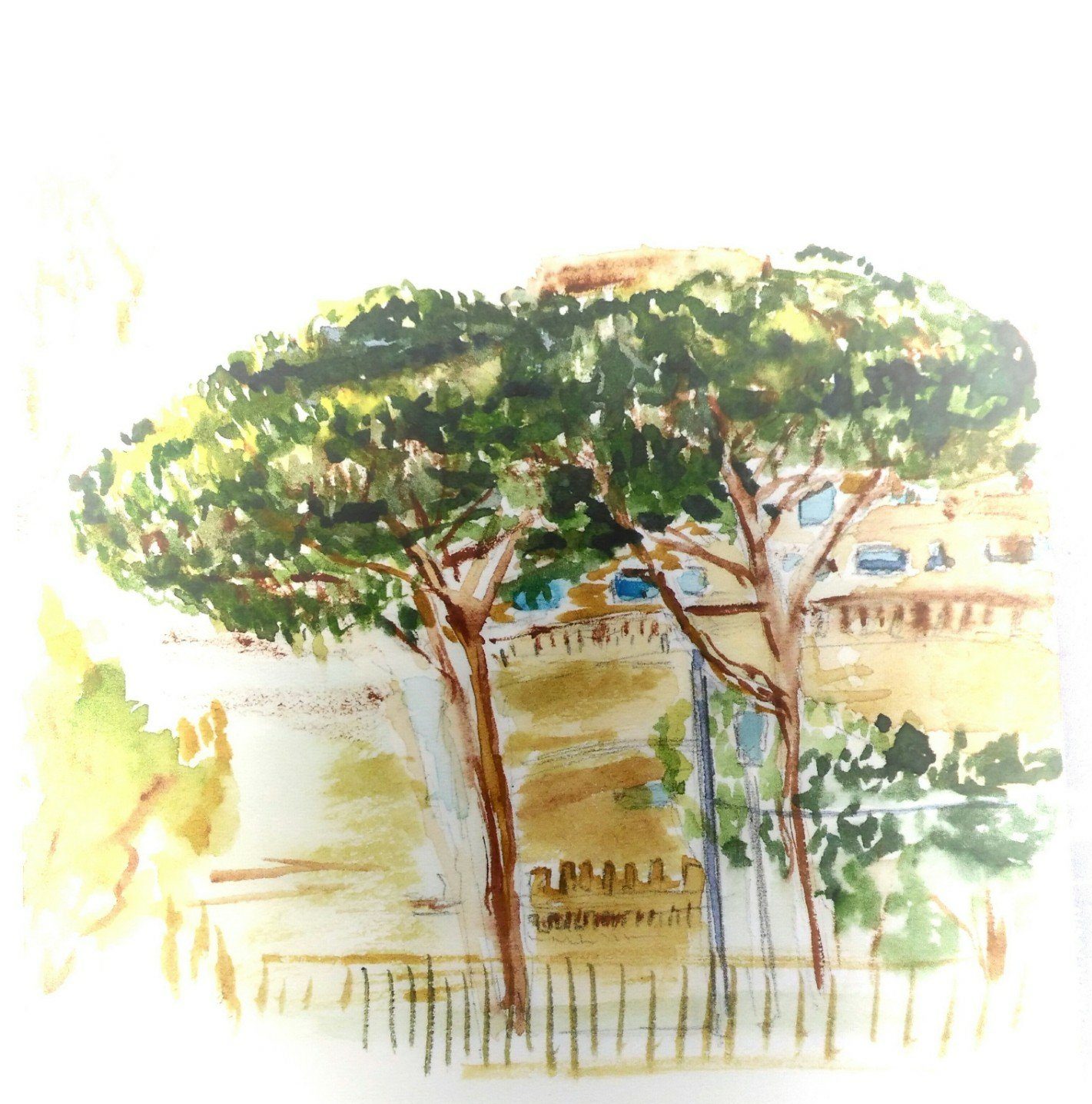
Watercolor sketch of Rome featuring tall umbrella pine trees in the foreground and Castel Sant'Angelo in the background, painted in warm ochre and green tones
Pine trees in the foreground and Castel Sant’Angelo
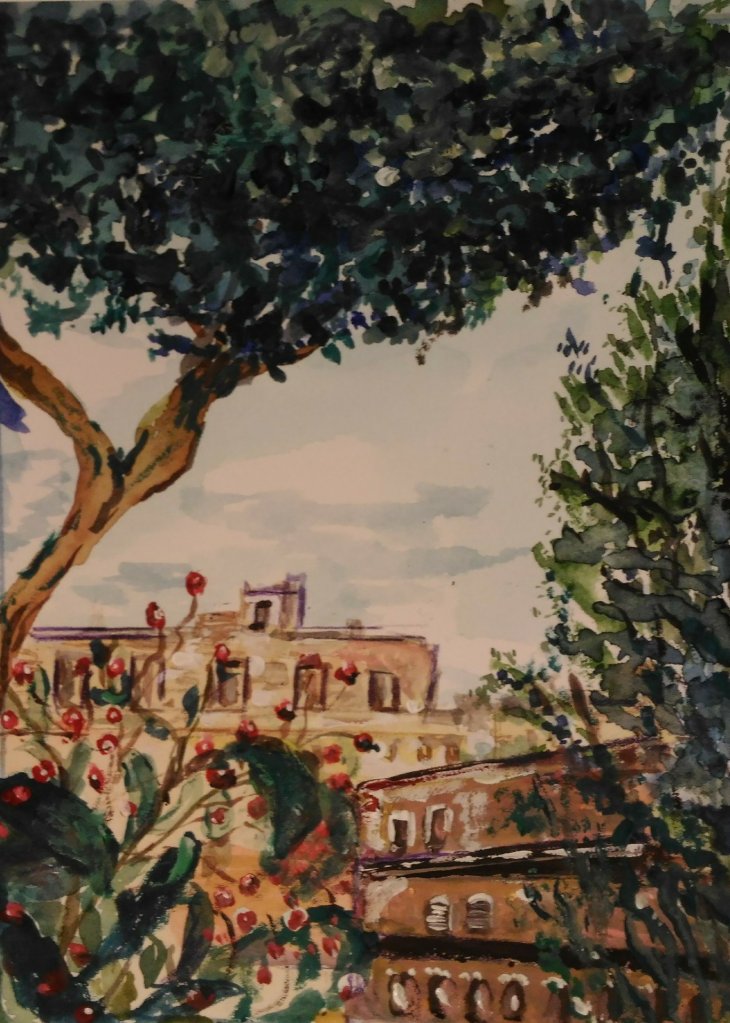
Watercolor painting of Rome's timeless streets, where warm ochre and terracotta buildings rise behind a canopy of lush green trees, with delicate red berry branches framing the foreground — a dreamy, sun-drenched glimpse of the Eternal City
Rome, hills

Capitolini Hill is my favorite—probably because it makes me feel fancy just saying the name. Honestly, it sounds like the kind of place where you’re required to stroll instead of walk, dramatically gaze into the distance for no reason, and pretend you’re on your way to an important art auction even if you’re just hunting for gelato.

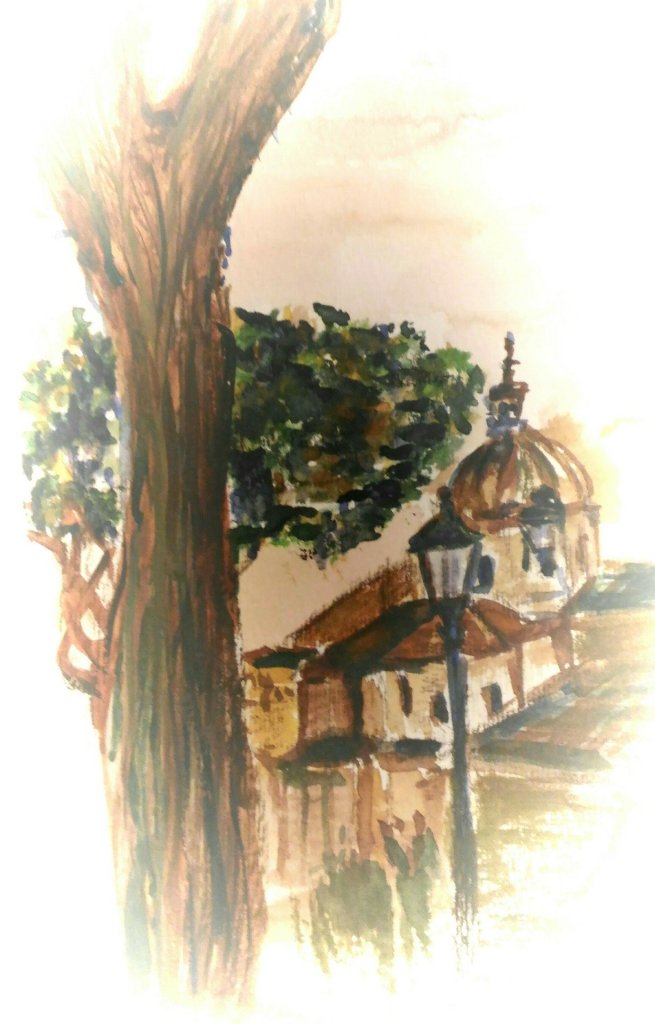
Rome, a large tree trunk

Each hill has its own mood: early mornings on the Aventine feel quiet and secret, while evenings on the Pincian glow with golden light and long, soft shadows. In spring the city smells of blossoms and fresh rain on stone; in summer the colors grow bright and sharp; in autumn the facades turn deeper and warmer; even in winter there is a gentle, silver light that makes every dome and rooftop look poetic.

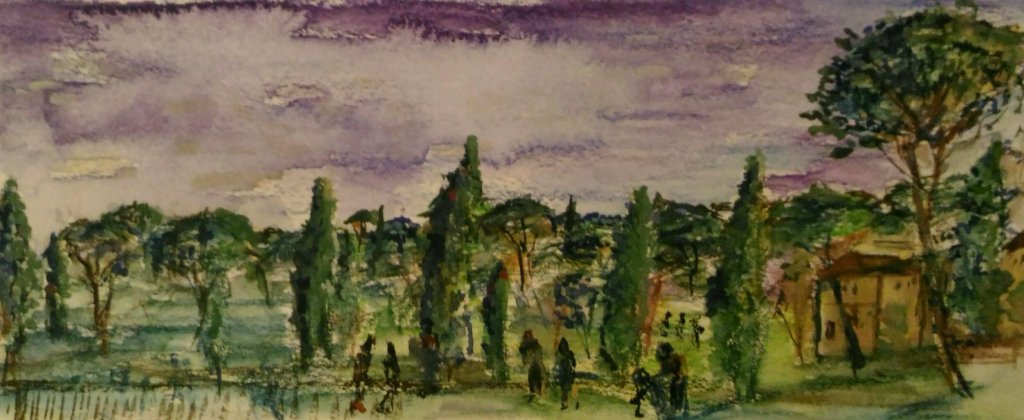
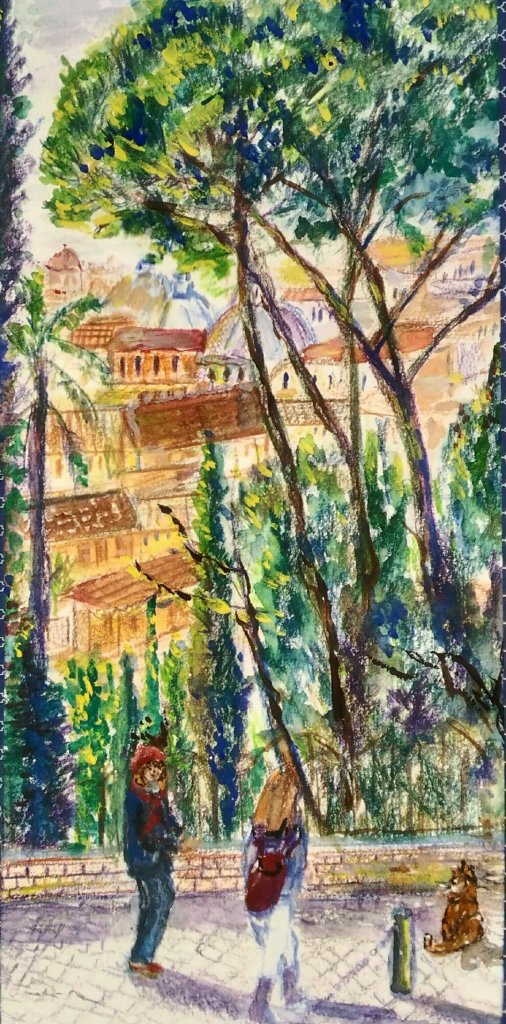
Lush urban park with tall cypress and pine trees
Roman cityscape
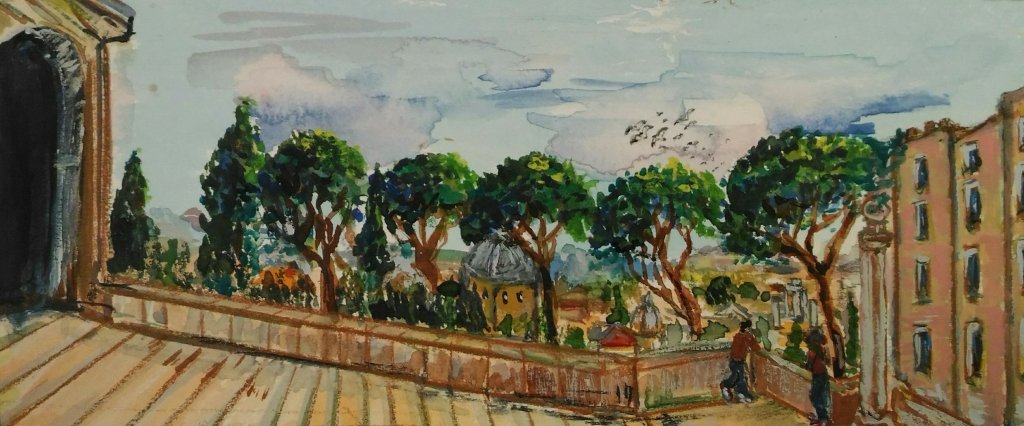
Terrace at Pincio Hill in the Borghese Gardens, Rome
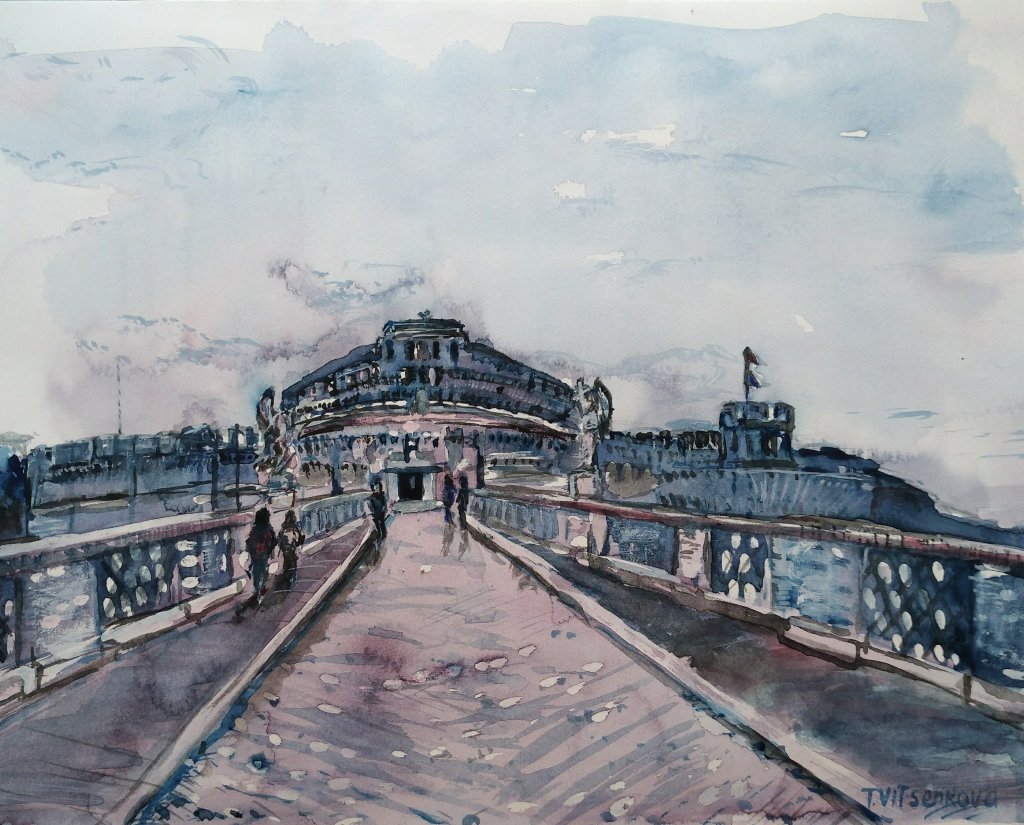
Sant'Angelo Bridge in Rome at dusk, with warm golden lights reflecting on the Tiber River and the Castel Sant'Angelo visible in the background
romantic evening Sant’Angelo Bridge in Rome

As I walk, I stop often to sketch, letting the rhythm of my steps guide my brushstrokes later, when I turn quick impressions into full watercolor scenes. I layer transparent washes to catch the light on ancient walls, add small, careful details to the windows and cobblestones, and try to keep the feeling of movement and wandering in every painting, so each one carries a little piece of my heart and my endless passion for Rome. What about you—where does your own passion lead you, and which cities do you love to return to again and again?

← Back

Thank you for your response. ✨