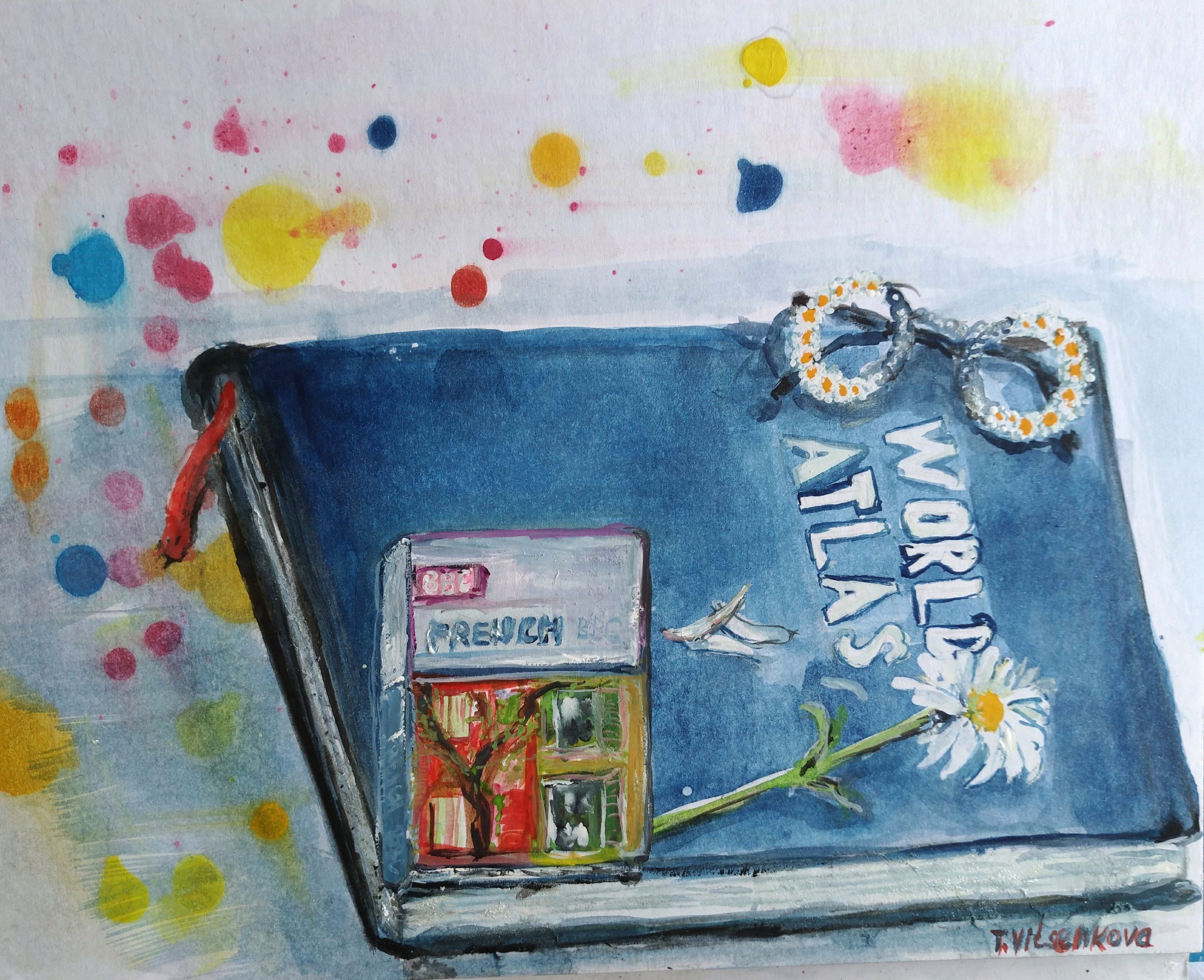
Still life and urban sketching. Where I convince tiny flowers to sit still for their portraits while dodging pigeons in European streets.
Why do I love daisies? Because they’re basically flower emojis that actually exist. Adorable, cheerful, and completely indifferent to my sketching abilities.

I genuinely hope to return to a truly cozy Norman village in the near future. You know, the kind where every cobblestone has probably been stepped on by centuries of people who knew how to properly enjoy apple cider and weren’t obsessed with their phone cameras. Picture this: leisurely evening strolls down the main street, gawking at the kind of farm architecture that makes you question every design choice you’ve ever made, ducking into tiny restaurants that smell like butter and dreams, and pairing crisp apple cider with slices of camembert so good you’ll question why you’ve wasted money on cheese your whole life.
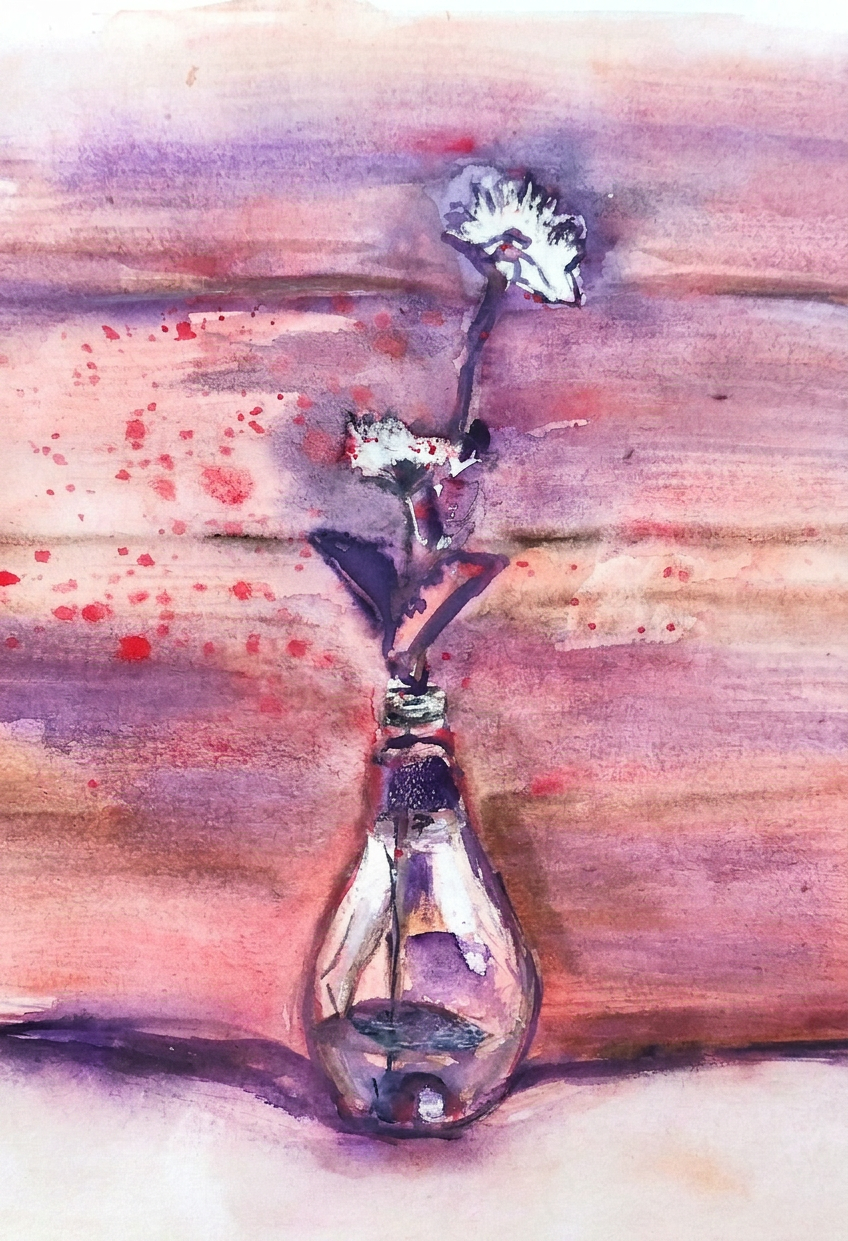
Here’s a fun daisy fact that I definitely verified on Wikipedia (so you know it’s true): the word “daisy” is the French word “marguerite,” which sounds way more exotic and romantic. In Greek, it means “pearl” — which explains why they’re basically the Beyoncé of flowers. The English “daisy” comes from Old English “daeges eage,” meaning “day’s eye.” Our word “day” comes from “dawn,” so basically daisies are just flower alarm clocks. The term “day’s eye” refers to how the flower opens its petals in the morning and closes them at night, like a tiny botanical snooze button. Cute? Absolutely. Slightly controlling? Let’s not judge.
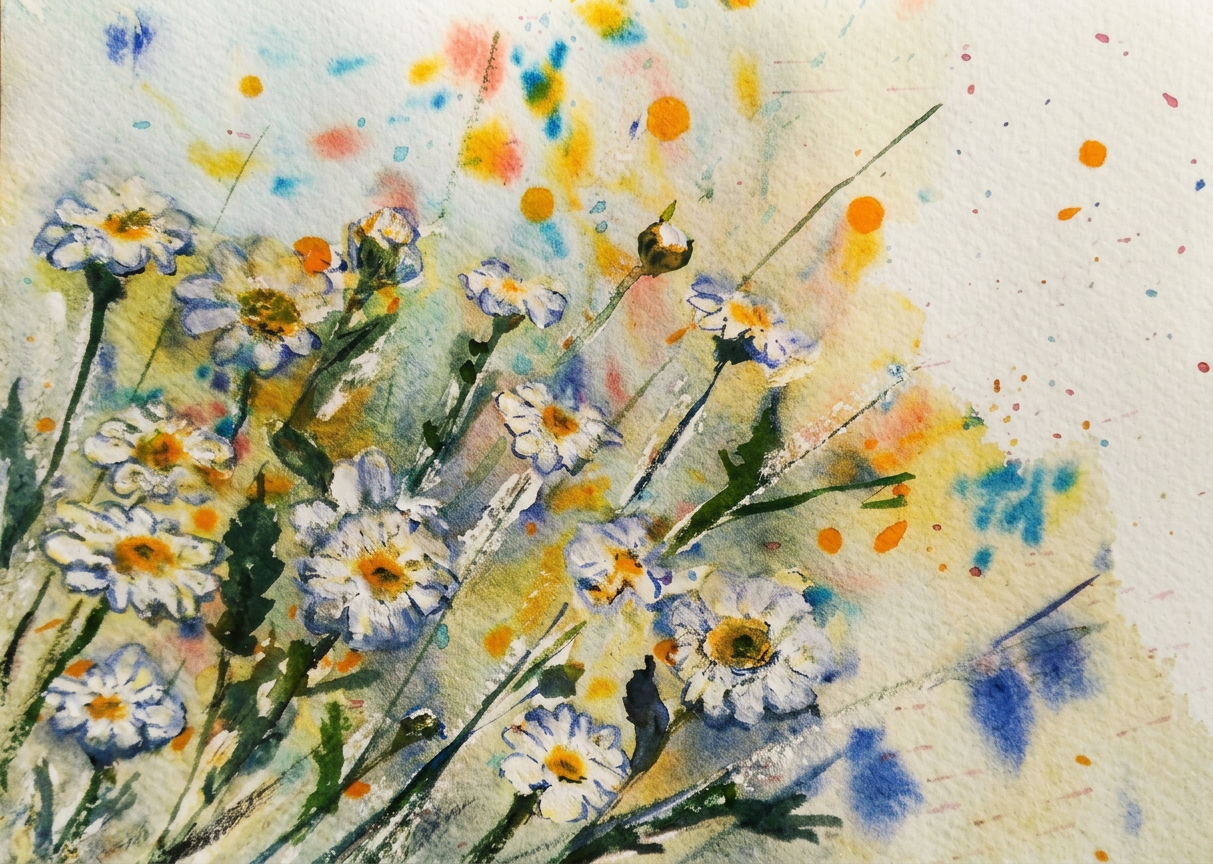
Early summer morning — the kind where everything is still wet with dew and the moist grass looks almost black in the shadow. This is the moment I attempted to paint marguérites (fancy name, same flower) in watercolor. Featuring the majestic shasta daisy: nature’s way of saying “I’m delightful AND low-maintenance.”
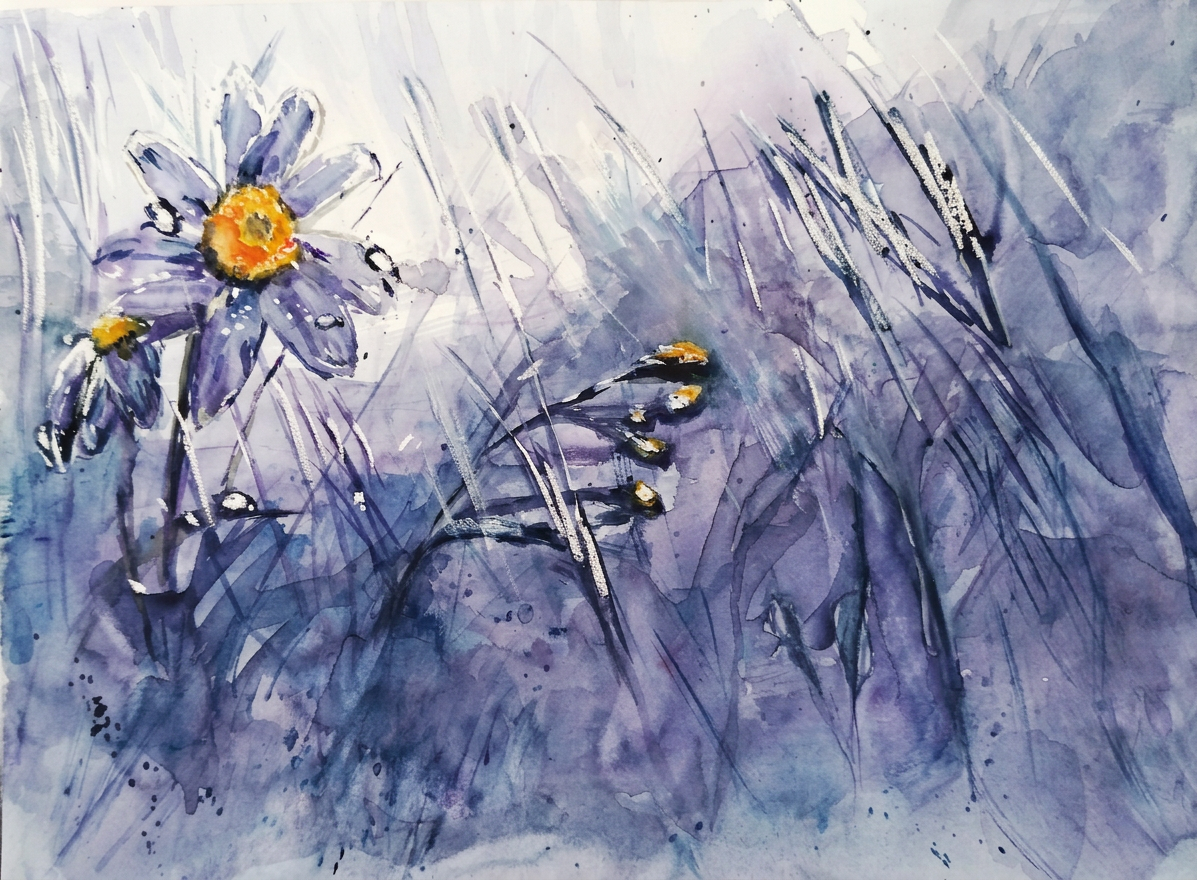
Plot twist: in the Middle Ages, daisies were called the “Romanov Flower.” Honestly, they should still go by that name. It makes them sound like royalty instead of something a five-year-old picked for you because you were standing still long enough.
In ancient Egypt, daisies were dedicated to Ra, the sun god. Clearly, ancient Egyptians had excellent taste and questionable work priorities. Meanwhile, the Greek name translates to “white flower,” which honestly is just giving up on poetry entirely.
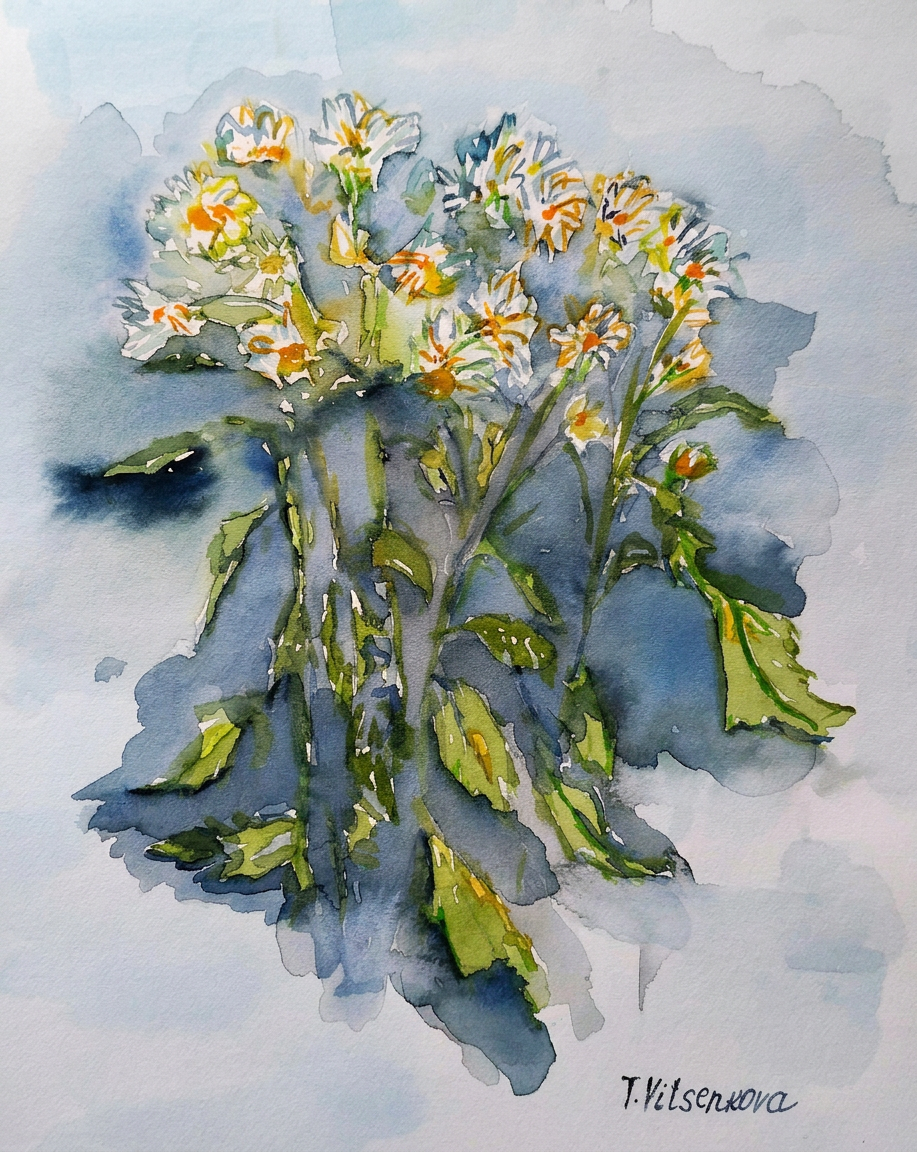
Unpopular opinion: the whole “he loves me, he loves me not” petal-plucking game is deeply pessimistic and needs a rebrand. My version goes: “he loves me, he loves me dearly, he loves me tenderly, he loves me passionately, he loves me…” (you get the idea). This way, your mood is GUARANTEED to be good, and the daisy feels validated that she didn’t sacrifice her petals for nothing. The daisy is pleased. The daisy is wise. The daisy says: “Guess the right way, love and be loved.” So believe the daisy, because it will absolutely confirm that your person loves you! (Even if the original game said otherwise. Trust the flower, not the math.) 😊
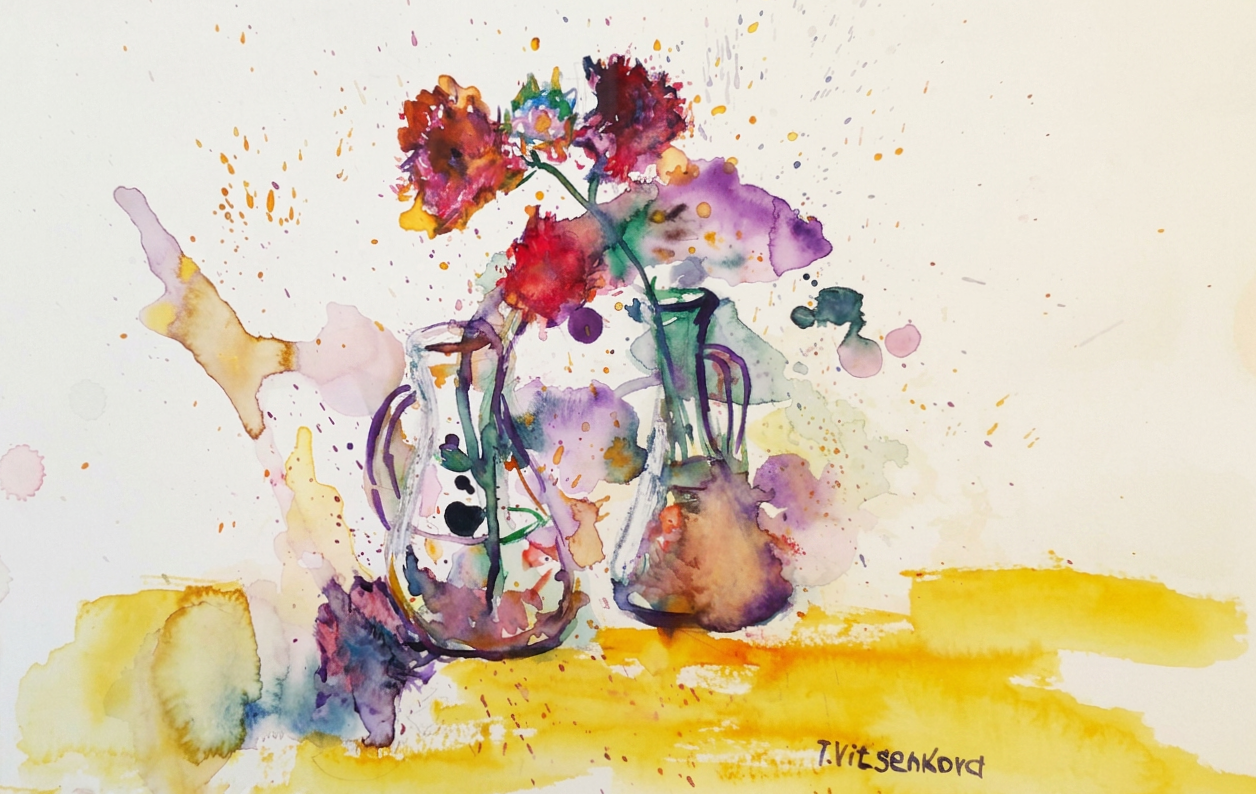
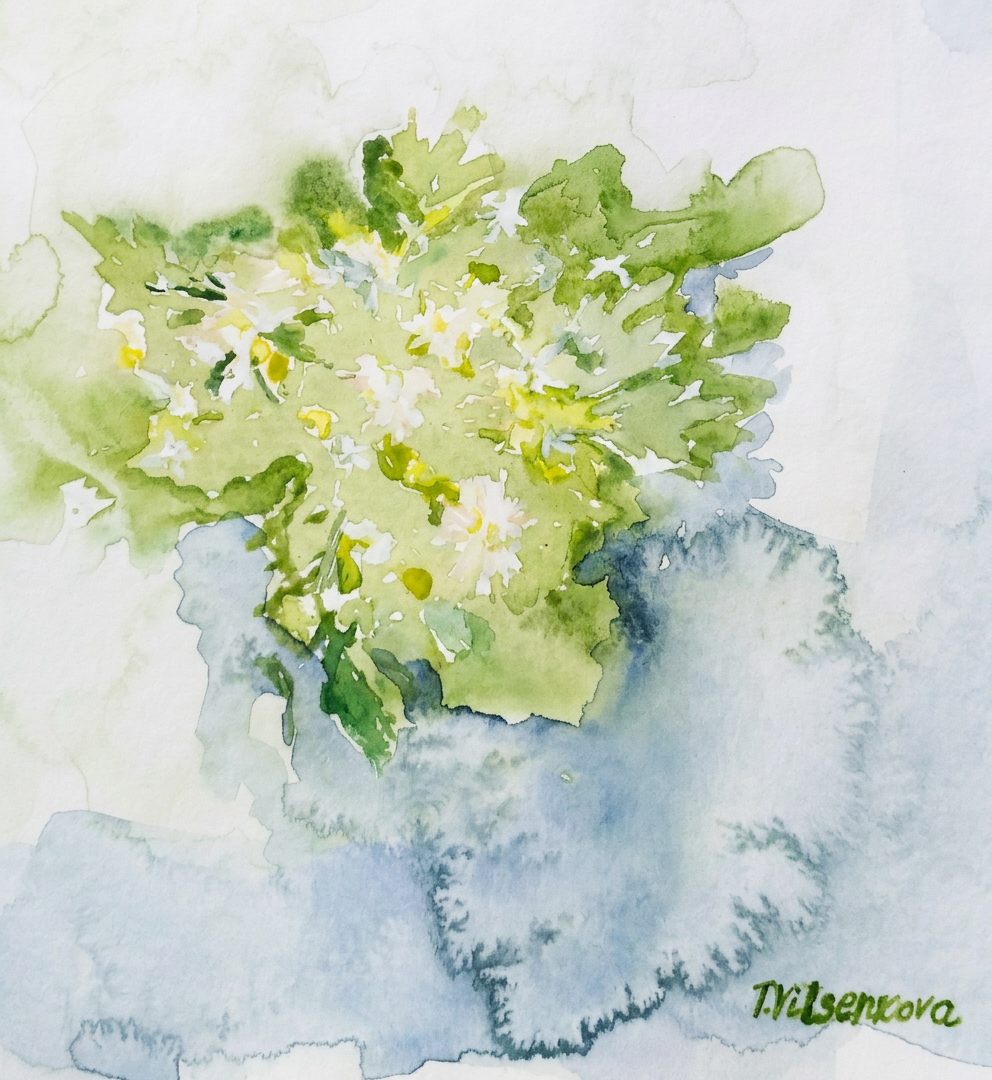
Another watercolor masterpiece starring the glamorous Gerbera daisy, nature’s way of saying “regular daisies, but make it EXTRA.”
Want to nerd out about Giverny? (And honestly, who doesn’t?) Check out the Foundation Monet at fondation-monet.com/en/giverny/ — it’s basically a pilgrimage site for everyone who has ever been emotionally affected by water lilies and French gardens.
Can’t find it? No problem. Giverny’s address is 84 rue Claude Monet, 27620 Giverny. GPS coordinates probably not required, since it’s the place where literally everyone is taking the same photo.
Did you miss Part 1? Read it here: Daisy Oracle Part 1: Marguerities in Giverny, France — where my daisy obsession officially began.
Bon voyage! Until the next adventure. Stay happy, and hug a daisy for me.
All paintings belong to the author. No image is to be copied without permission. (The author has very strong feelings about this and also a decent lawyer.)