
17 years of art experience and a pile of degrees, yet here I am at London Art College, sitting like a total freshman. (Honestly, that’s a ready-made punchline.)
It’s a generational engineering trauma: my family is physically incapable of simply buying a ready-made product. Fellow cheapskate artists will appreciate this 10/10.
Welcome to my mini-series, where I’m transforming a heavy oak hanger into a custom studio storyboard panel. Armed with an engineering degree, an illustrator’s eye, and a few everyday items, I’m building a creative workspace from scratch—one detail, texture, and sketch at a time.
Skipping boring, ready-made store options to flex my own designer storyboard…
So, it’s an old coat rack instead of the big online retail giants, turned into a storyboard that works like a puppet theater where you can slide frames up and down.
Creating StoryBoard Panel
I was not sure how to name this old-fashioned hanger, forgotten part of previous owners of my apartment. Maybe the Brief Hanger? Or the Draft Board? Finally the name was chosen as StoryBoard Panel because I am going to create new stories about my friends, characters and maybe animals…
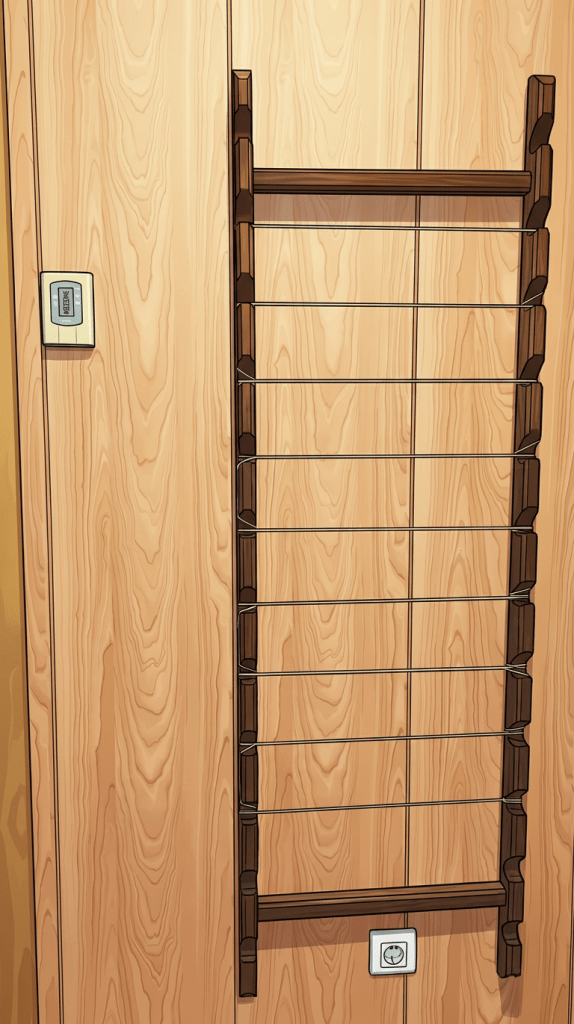
Welcome – StoryBoard Panel
And to wrap it up: who’s with me on this crazy ride? Who else feels that urgent, genetic need to look at a piece of useless junk laying around the house and think: “Yeah, I can definitely build something out of that”? What about you?
Well, I do have a Vintage coat rack / Wooden base. Then what do I need else?
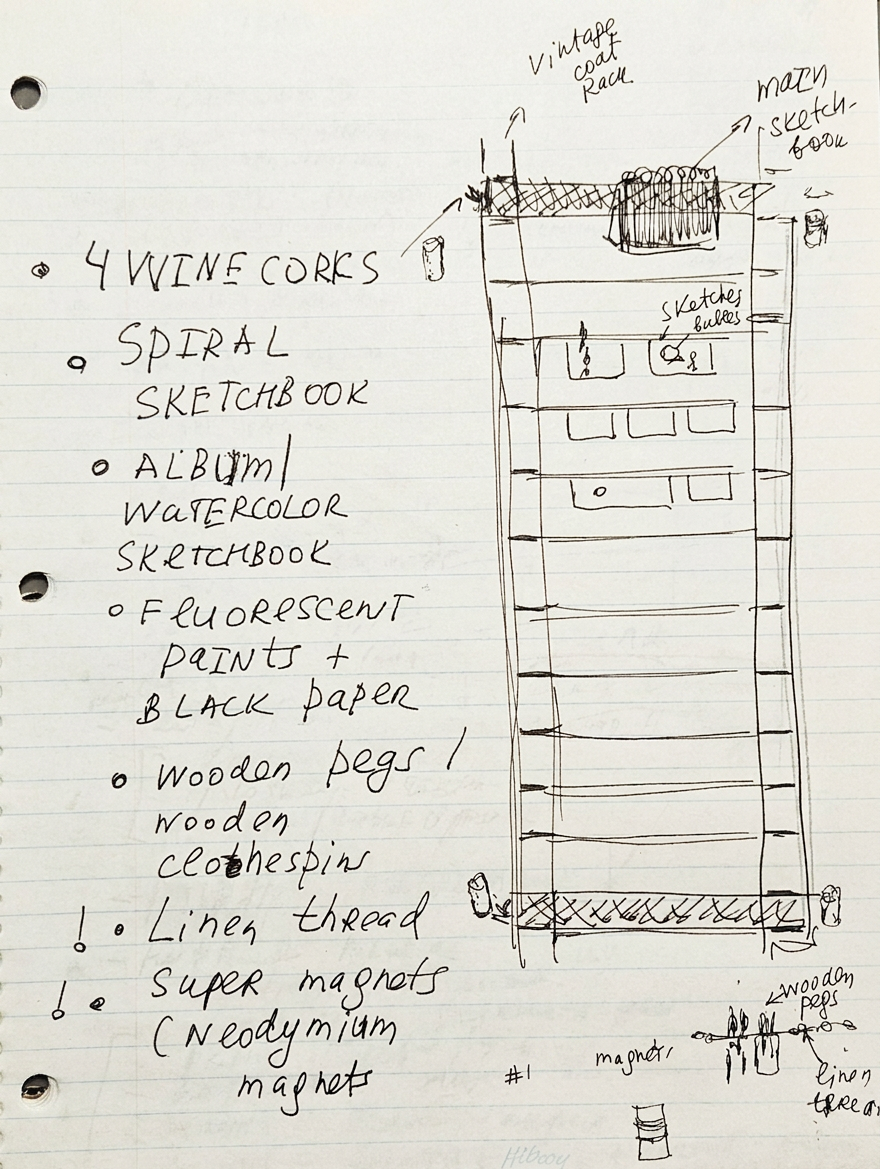
Spiral sketchbook: This is where the magic (and the chaos) starts before I tear it apart.
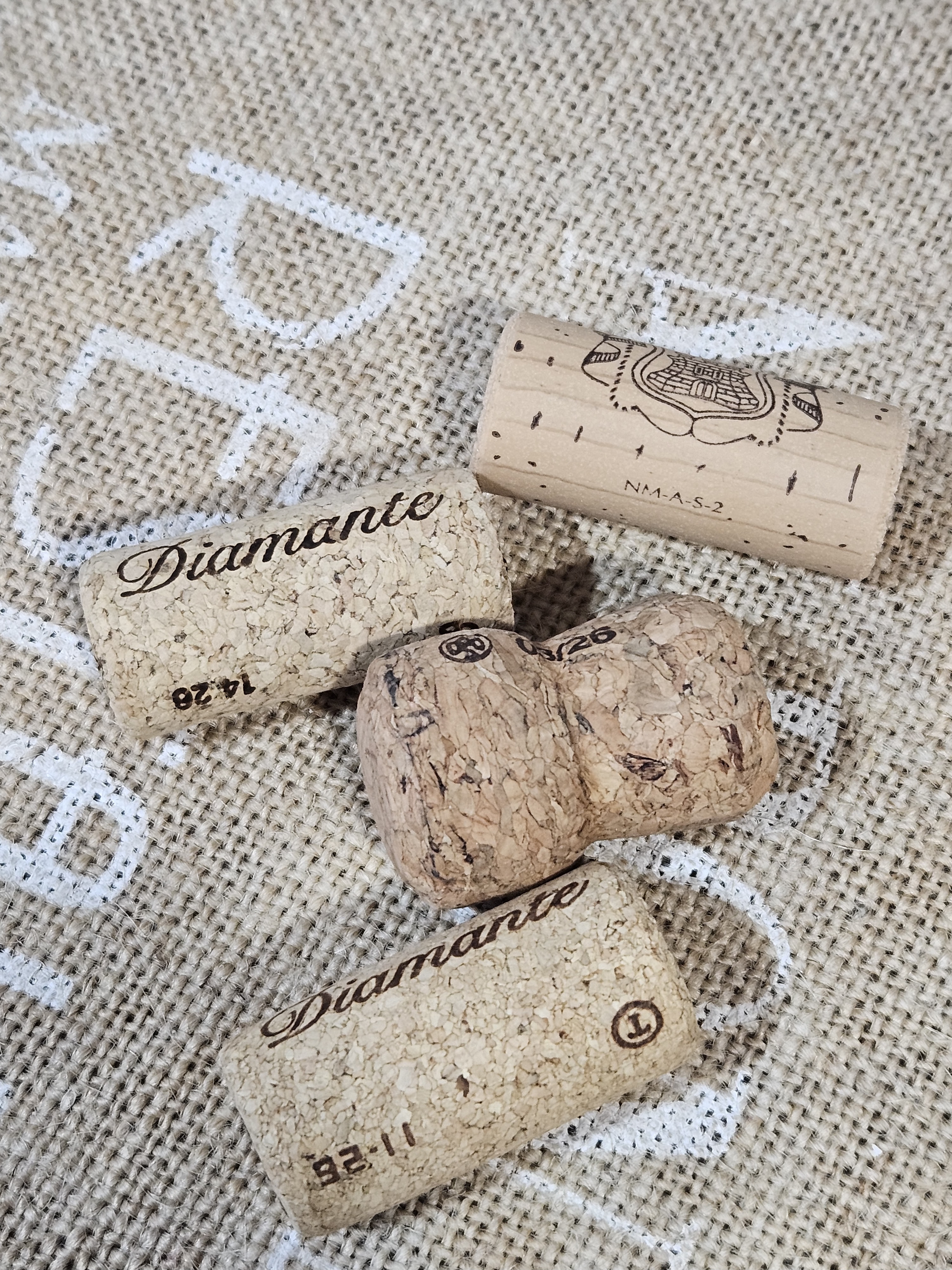
Structural engineering, but make it wine.
3-color sketchbook & black paper: For when regular white paper is just too mainstream and boring.
Fluorescent paints: To make my ideas literally glow in the dark and pop off the page.
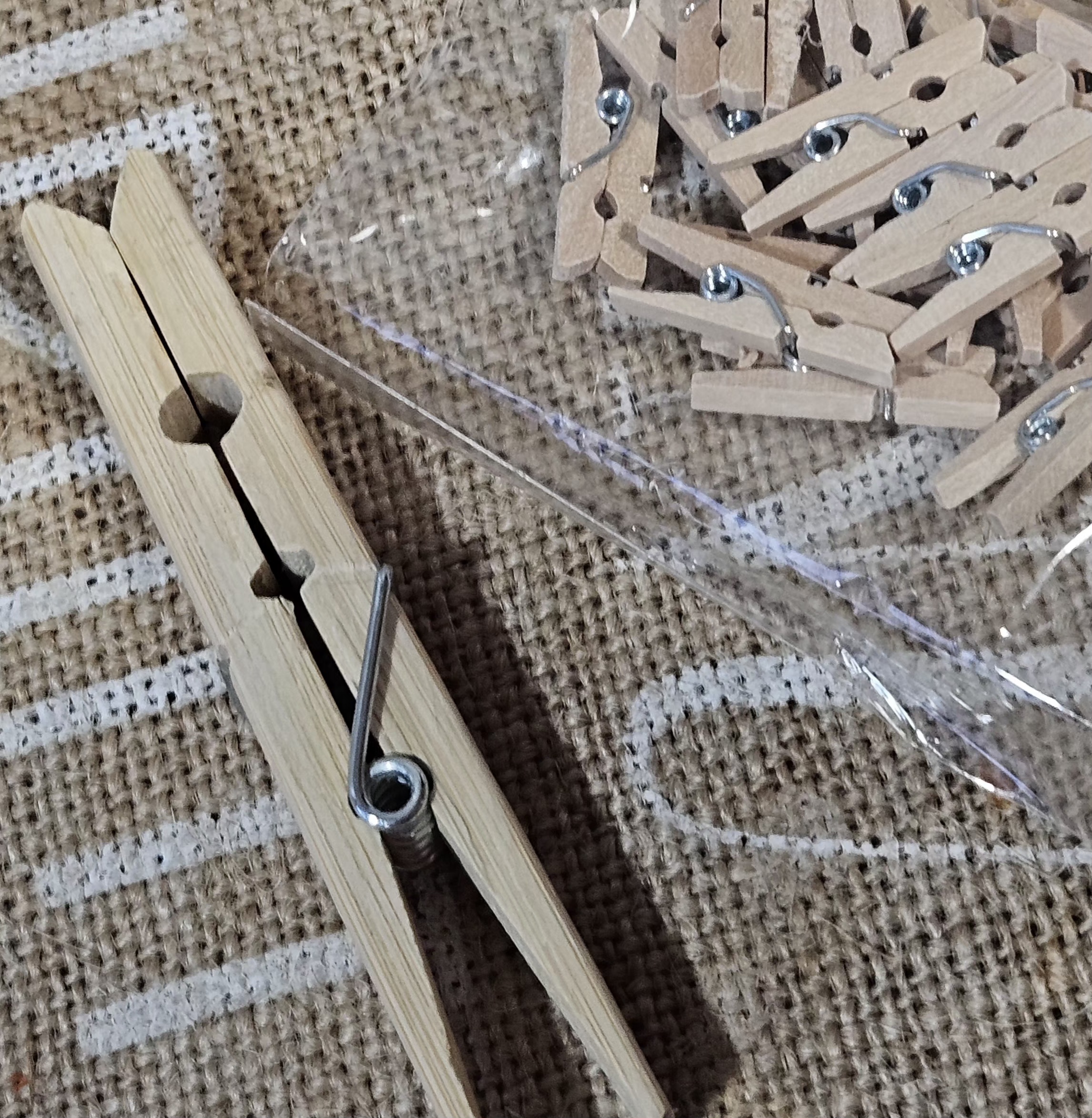
Wooden pegs: My tiny wooden assistants doing the heavy lifting of holding the story together.
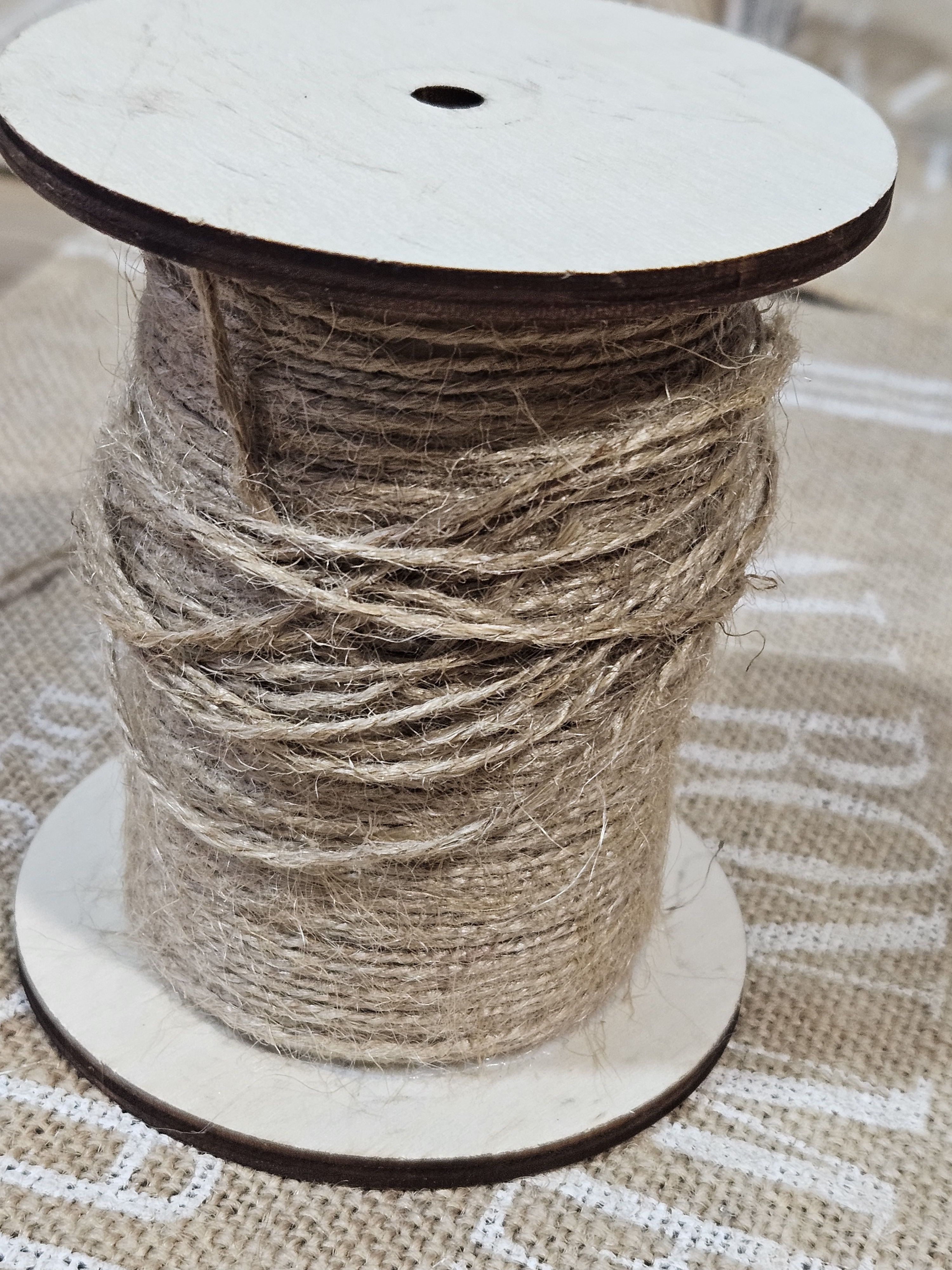
Linen strings: The tightropes my characters walk on while I figure out the plot twist.
Super magnets: For snaps, rapid changes, and maximum satisfying clicks.
Transparent elements:** Now you see it, now you don’t—pure layout wizardry.
The real joke: Designer storyboard
Picture a professional designer with fancy degrees hanging out in a store, aggressively clicking tiny magnets together to test their power. Right after that, I was stress-testing a roll of linen string to see if it would survive being wrapped around an old coat rack, while the staff slowly backed away.
What about you, fellow artists and illustrators? What do you use to keep your storyboards and ideas organized? Share your favorite studio hacks below!
Make a one-time donation
Make a monthly donation
Make a yearly donation
Choose an amount
Or enter a custom amount
Your contribution is appreciated.
Your contribution is appreciated.
Your contribution is appreciated.
All paintings belong to the author. No image is to be copied without permission.


